from the archive: teens write about 9/11
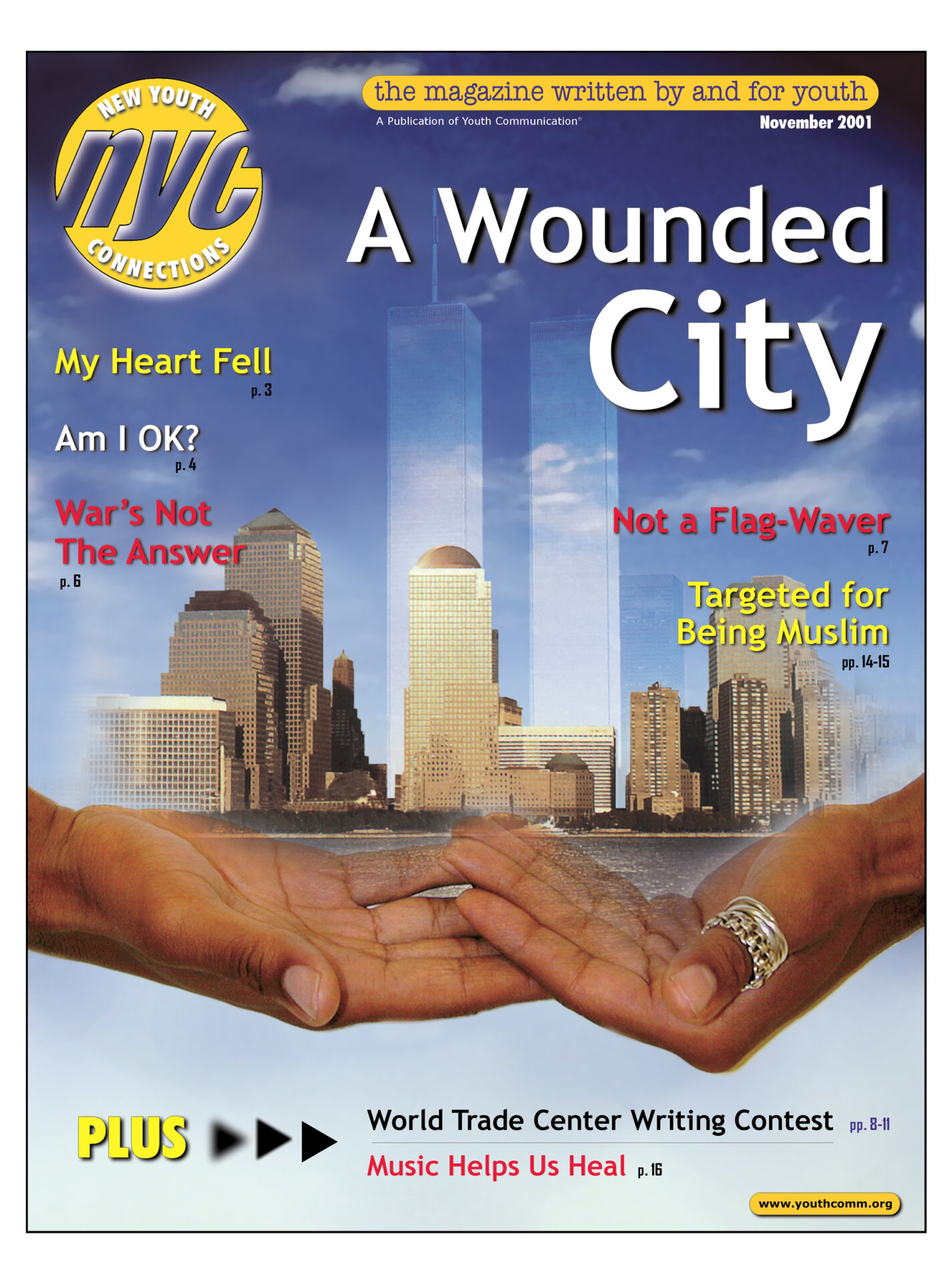
Twenty-five years ago, the attacks of 9/11 weren’t history for New York City teens—they were the terrifying reality of that day and the aftermath.
One teen, whose father was a firefighter, writes, “When he arrived home at 7:15, we met my dad at the door. His fire van was covered with thick, white soot. Something wasn’t right. He asked me to take his hand and help him down the steps. To my horror, my father couldn’t see.”
Youth Communication published vivid accounts by more than two dozen teens that now make history come alive. The teens write about losing family members, barely escaping from the buildings and the neighborhood, and finding WTC detritus in their Brooklyn backyards.
Students write about how the attacks disrupted their sense of security. Several students were alarmed by the knee-jerk jingoism and anti-Muslim vitriol. And they worried about the U.S. being drawn into new wars. And they write about coping strategies: volunteering to serve food at Ground Zero, getting support from counselors and teachers, checking in more often with parents and siblings.
The entire 9/11 issue is here: These stories capture the terror and the complexity of 9/11 as experienced by teens. Youth Communication will soon be uploading to its website the 9/11 issue and its entire library of 10,000 stories (and lessons) published since 1980 for free use by teachers. Look for the announcement in early 2027.
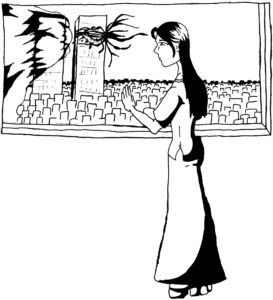
Am I OK?
The World Trade Center was central to my expanding world.
By Fan Yi Mok
The terrorist attacks have caused Fan Yi to have a new-found sympathy for people she had previously ignored or dismissed. At the same time, her sense of invulnerability is gone forever, replaced by insecurity and anxiety.
‘My Heart Fell’
The attacks made me rethink my priorities.
By Allajah Young
Allajah watched the destruction of the World Trade Center from the window of her high school. Now, previously important things in her life seem insignificant, and she has reevaluated her priorities and relationships.
War Is Not the Answer
After witnessing the attacks firsthand, I wanted revenge. Then, it pushed me to rethink U.S. foreign policy.
By Lucas Hartstone-Rose
Lucas explains his opposition to U.S. attacks on Afghanistan, which he views as an act of revenge that will solve nothing, and perhaps make things worse.
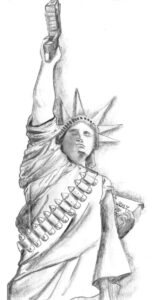
The Flag’s Not for Me
The writer is angry about the gap between American ideals of liberty and justice for all and the reality of discrimination and injustice.
By Anonymous
The writer is angry about the gap between American ideals of liberty and justice for all and the reality of discrimination and injustice.
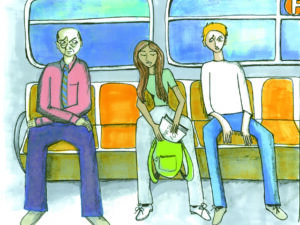
Looking Over My Shoulder
As a Muslim, I’m worried about terrorists and bias attacks
By Abanty Farzana
Abanty becomes self-conscious and fearful after the 9/11 terrorist attacks.
20 TEENS WRITE ABOUT THEIR EXPERIENCE OF 9/11
A Youth Communication Writing Contest
Twenty teens reflect on September 11, sharing experiences of fear, loss, survival, prejudice, patriotism, and uncertainty. Together, their voices reveal how the attacks reshaped their views of family, safety, identity, and the future.
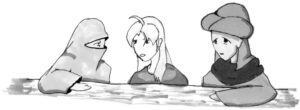
A College Campus Looks at Islam
By Anna Borshchevskaya
After the Sept. 11th attacks, Anna helps organize a panel discussion at her college about understanding the nature of Islam.
No Longer an Ordinary World
After the attacks, lyrics take on new meaning.
By Abanty Farzana
Abanty hears music lyrics in a new way after the Sept. 11th attacks, and finds solace by listening to her favorite songs.