
The bell rang, signaling the end of 9th period. I grabbed my stuff and rushed downstairs to meet my friends. “So are we going to the pizza shop?” asked Janee.
“Yeah, I’ve been waiting all day. I hope we can get seats,” I said.
Everything happened at the pizza shop a few blocks from our school. It was where people met up for dates, business lunches or just to hang out. In the summer it was the place to grab a slushy, in the winter, the place to keep warm. But more than that, it was a community.
Everyone Knew Everyone
When we got there, it was packed, as usual, with our classmates, Janee’s grandma, the cute guy from the corner store and some of our teachers.
“Hey young ladies, the usual?” the pizza guy asked. He never knew our names, and we didn’t know his, but he always knew what we wanted.
“Yes, thank you,” we said in unison, sitting down on the familiar red benches.
“Here you go, girls. Three slices, two Sprites and one root beer. Enjoy,” he said. We fell silent and devoured our food. As I looked around, I could see other kids from the neighborhood coming in out of the frigid fall air. It felt good to have so many people I knew and cared about in some way all together in one place, all doing the same thing: eating pizza. I felt at home.
Before I lived near the pizza shop in Manhattan’s Lower East Side-Avenue D, to be exact-I’d been moving my whole life. By the time I was 8, I’d already moved five times, first in Brooklyn and then all over Queens, until we finally moved to the Lower East Side, where my grandmother lived and where our church was. I immediately fell in love with the neighborhood.
The first night after we moved in, we went to eat in a Chinese restaurant. I remember looking out the window at the park, seeing all the families with kids my age running around, and knowing that this was the place I wanted to be.
My neighborhood meant everything to me. Everyone knew everyone and people were always there to lend a helping hand, whether someone needed a babysitter or a stick of butter. At the grocery store, if you knew the manager (which everyone did), you could get great bargains.
The other constant in my life, even before we moved to the neighborhood, was our church. My parents had attended the church since they were teenagers, and for all 16 years of my life we’d been going there every Tuesday, Friday and Sunday. My dad was the youth pastor, a deacon and the church’s musical director.
Starting a New Life
But my father felt his calling was to be a pastor. So in the fall of 2006, we began to attend a new church on the West Side. The pastor there wanted someone to succeed him after he retired and he had chosen my father. It was hard to leave our old church behind, but I knew that as long as we had each other and our community in the Lower East Side, nothing could shake us. I was behind my parents 100%, or so I thought.
One afternoon about a month after we’d started attending the new church, I came home from school and saw Mami and Papi sitting at the kitchen table, looking worried. And wait, were those tears on my mom’s face? Something was wrong.
“Natalia, come sit down. We need to talk,” said my father. My heart started to beat faster and faster, expecting the worst.
“Your mom and I received a phone call today from the pastor,” he said. My mom remained still, as if she didn’t dare say a word because she knew she’d break down. “He and the staff believe that for me to run the church more efficiently, we should move into it.” He explained that we’d be starting a new life, one in which my father would be able to dedicate himself to the church.
I felt hollow. I couldn’t quite comprehend what he was saying. “Papi, what are you talking about? We have to move? Again?” I felt my voice quivering and tears began to roll down my face.
“I’m sorry, mija, but I’m afraid so. I know this will be hard on you, and on your siblings and us as well. But it’s for the better. We’ll have more space, we’ll actually have a living room, and we won’t have to travel to get to church.”
“Papi, we’ve lived here for eight years. This is my neighborhood. I don’t care if we don’t have space. How are we going to move to a neighborhood that we don’t know and live in a church, of all places?” I ran into my bedroom and threw myself on my bed. Knowing that this might be one of the last times I’d be in that room just made me cry harder.
A Piece of My Heart
When I told my friends about it later, they were shocked and tried to comfort me. They said they’d always be there for me no matter where I lived. But in my heart I knew things would never be the same.
It took us two months to pack up all of our stuff, but finally D-Day arrived. I cried as I walked to every room in the apartment, telling it how much I would miss it-the kitchen where Mami and I cooked dinner together every Thursday, the living room where my friends and family gathered for celebrations, the hallway where I had my first kiss. I felt like I lost a piece of my heart when we left.
When we first moved into our new place on the West Side, I lived in a state of shock. I’d wake up in the morning and look out my window, and instead of life, I’d see solitude. Surrounding our building was nothing but auto shops and rows of parked taxis and trucks. The nearest supermarket was 10 blocks away. Instead of stores, there were clubs, which brought loud music and drunk people into the streets at 4 a.m.
Empty Streets, Empty Faces
Everything was different. Even the apartment had a different smell, like old wood, as if it hadn’t been lived in for years. And since it was above the church, there were always church staff downstairs. This meant that although the streets felt empty, we were never really alone in our own home.
But the worst part was missing my friends. I continued to go to high school in my old neighborhood, so during the day we could pretend nothing was different. But after school, reality would set in.
“OK guys, I’ll see you tomorrow,” I said as my friends and I parted ways one afternoon a few months after the move. As I walked down the steps into the train station, there were many people coming up and down, but in the midst of the crowd I felt alone.
I boarded the F train and tried to pretend that my friends were there. That only made me feel worse. Then came the long walk west from the train. The blocks seemed to last forever. I finally reached the 10th Avenue sign and the white cross on the side of the roof that let me know I was home.
But all I saw were a few unfamiliar faces that would change as the hours went by and more and more people arrived to go clubbing. Where were the faces I’d known for years, the faces of people who waved to me every morning and wanted to know how I was doing?
A Wedge in Our Friendship
I found myself alone more often now: on my way to school, coming home and in my house. A visit to my grandmother’s house now took 40 minutes instead of just a few. And since I lived so far away, none of my friends wanted to visit me.
After school, my friends and I would hang out in the school park. I would try my hardest to convince them to hang out a little longer or to go shopping in the neighborhood stores, even if we had nothing to shop for. But in the end they needed to get home and I had to make the dreaded trip to the West Side.
Things started to change between my friends and me. I began to hear about weekend and evening outings that I hadn’t been invited to. I lived too far away and nobody wanted to be the one to have to take me home. It put a wedge in our relationship because my friends felt like I was never around anymore and I felt like I was never included.
I began to realize that even though I loved my friends, I couldn’t be the only one trying to get us together. I needed to find other activities that would make me happy and help me feel less alone. I decided to involve myself with more stuff at the church, since I lived there anyway.
Juggling Two Places
I started singing in the choir, teaching kids in Sunday school and helping out in the church kitchen. All this kept me distracted from thoughts of the move, at least for a little while. I made some new friends at my church and I learned that I was good at different things like singing and cooking. But none of those things could replace my old neighborhood.
It’s been more than a year since we moved and I still don’t feel like I’m home. I’m trying to juggle two places, spending the school day in my old neighborhood with my friends, and coming back to my new one for work and church. I’m trying to accept that my new neighborhood doesn’t have to be somewhere to hang out or a place I love, but just a place to live.
My Foundation
I hope that one day I’ll become comfortable in this new place, but in my heart, the Lower East Side will always be the home I love, the one I’ll never forget. I miss the people on the street gossiping about who did what, the sprinklers in the park where my friends and I hung out in the summer heat, the cars that drove by with their radios blasting Puerto Rican music and, of course, the pizza shop.
Who knows what neighborhood I’ll end up moving to when I’m on my own. I might get accepted to a college far away. All I know is that wherever life takes me, it will be my old neighborhood that was the foundation for me, and the place that showed me that it’s not the actual buildings in the neighborhood but the people who make your everyday life worthwhile.
Maybe one day I will move back to the old neighborhood. But even if I don’t, my dream is that when I have kids of my own I can bring them to the Lower East Side and show them the beautiful community I was once a part of.
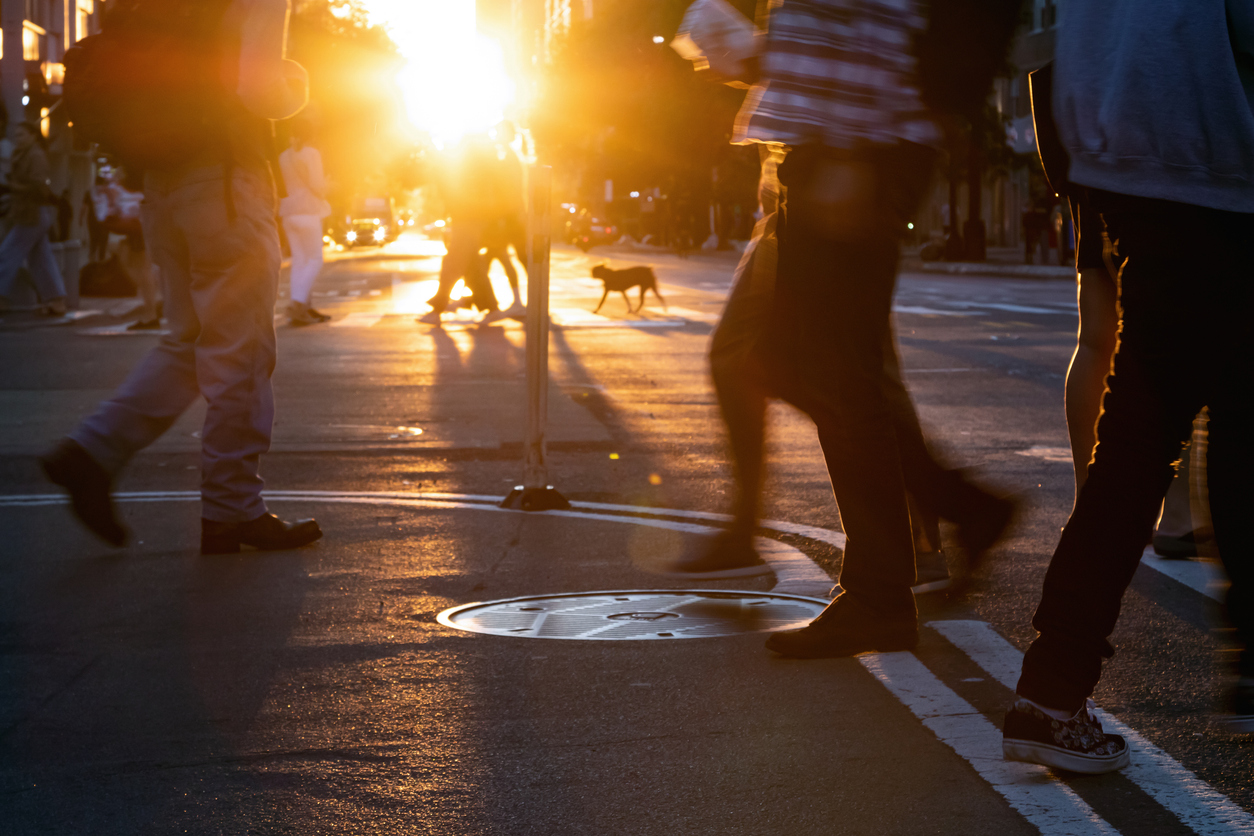
The Home I can’t Forget
I left my heart on the Lower East Side
About These Stories
YC runs intensive nonfiction writing programs for teens in New York City, where they’re mentored by a professional editor to write personal stories about their lives and about issues that affect young people. Their stories are then published and read by thousands of teens, educators, policymakers, and other adults who work with and for young people.