True Stories by Teens

Explore the 10,000 stories YC teens have written since 1980

I Don’t Want AI to Do My Thinking

Two teachers have shown me what we may lose by introducing AI into education.

It’s been only two years since I first heard a teacher warn students not to cheat using AI. Since then, as I’ve learned more, it seems so obviously wrong and contrary to education itself. It strikes me as an attack on thinking, because AI can read the book for you and then write your essay […]


filter by TOPIC

filter by Magazine

filter by Year

Search Keywords

Represent Magazine

True stories by teens in foster care

  • Ready for Independence


    Names have been changed. When I lived in a group home, kids were always moving in and out; staff changed a lot; and violent, erratic girls messed with me. Now…

  • Inner Space


    Names have been changed. About a year ago, I moved in with my foster parents, Michael and Diane, after two years in the foster care system. I felt anxious around…

  • Even When I Was Homeless I Stayed in School


    "Whenever I had some shelter for more than a day or two, it was a priority for me to go to school," Xavier writes. "I knew getting an education was a powerful tool."

  • Home Base


    The writer goes through a lot of tribulations after she ages out — money and job troubles, bad roommates, and mental health issues. Through it all, her apartment holds her down

  • Helped Through Homelessness


    Amber is shy and becomes even more so when her family moves to a homeless shelter. After urging from her mom, she starts seeing a counselor. The relationship helps her open up and persevere through this tough time.

  • Living on Your Own


    Psychotherapists Sylvia Lester and Marina Stolerman of The Fostering Connection give tips on how to make a house or apartment a home and how to live on your own.

  • Aging Out Shouldn’t Be This Hard


    Sharlene does everything right as she prepares to age out. But things go wrong with her housing, benefits, and college, through no fault of her own.

  • Choosing My Neighborhood


    Vanessa lives with relatives, friends, in group homes, in an office, in supportive housing, and finally in a market-rate apartment with friends, which is her favorite set-up.

  • Unexpected Emotions


    When J.G. finally gets her own apartment at age 22, she thinks everything's finally OK. Instead, her years in care haunt her.

  • Home Is an Abstract Concept


    Marlo has lived in an astonishing variety of places and has never known stability. At age 22, he gets an apartment and wonders what "home" and "family" mean.

  • Finally, a Home


    The author raised her son to age 8 while she was in foster care. She's relieved when the two of them finally get their own home after she ages out.

  • Broken Homes


    Zaniyah gets pregnant before she ages out, in part to have the family she didn't have in foster care. Her NYCHA apartment has problems, but it does have family.

  • Who Will I Be as an Adult?


    The author was physically and emotionally abused. When she ages out of care, she finds that years of being put down keep her from going after work or college.

  • Roommate Blues


    The author invites a pregnant friend and two small children to live with her, giving them her bedroom. It does not work out.

About theSE Stories

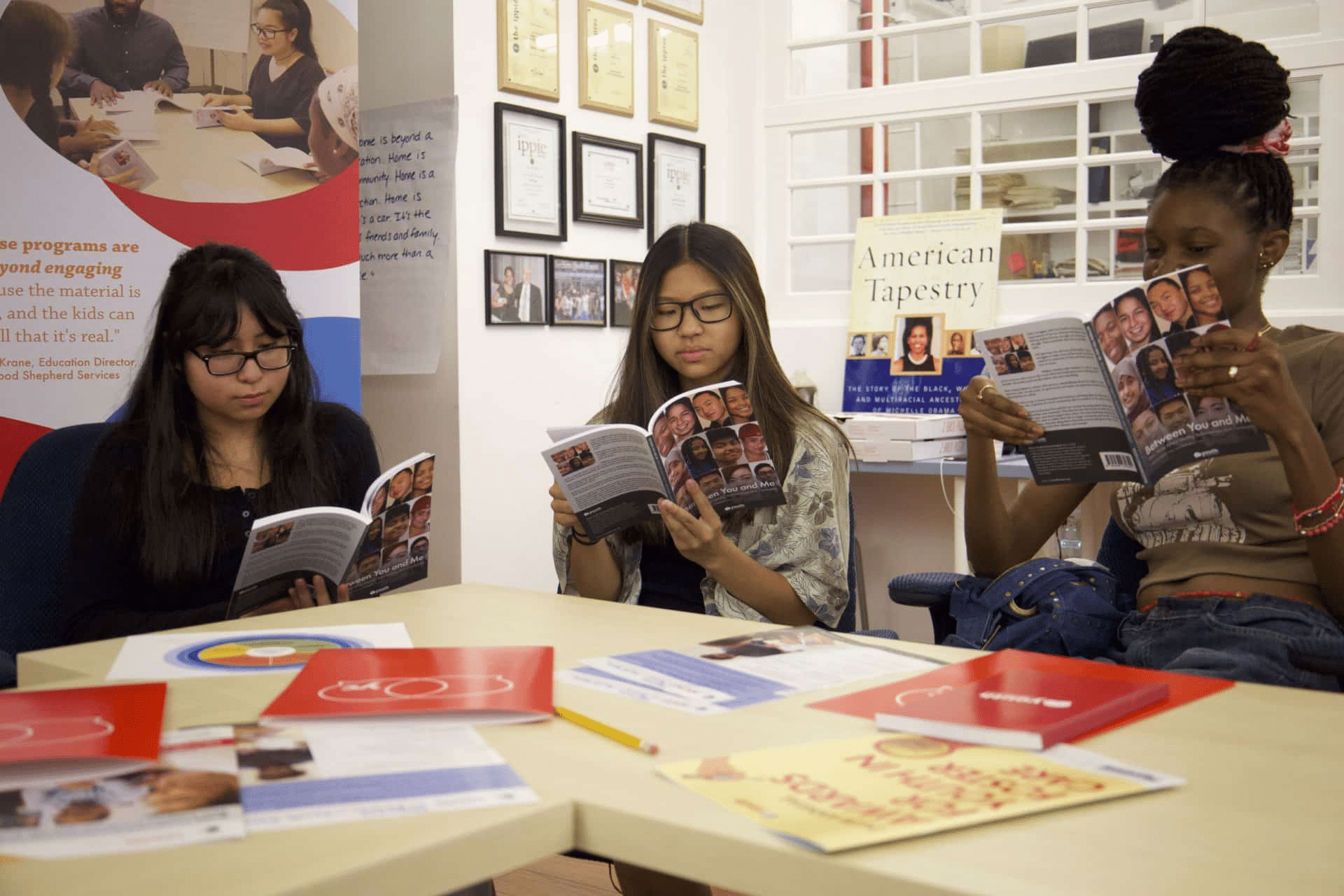
This growing library features true stories exploring universal teen concerns like peer pressure, family conflicts, sexuality, and finding your place in the world.

It also includes stories in which teens write about important historic and current social issues grounded in their personal experiences: war, immigration, homelessness, the environment, and more over the last five decades.

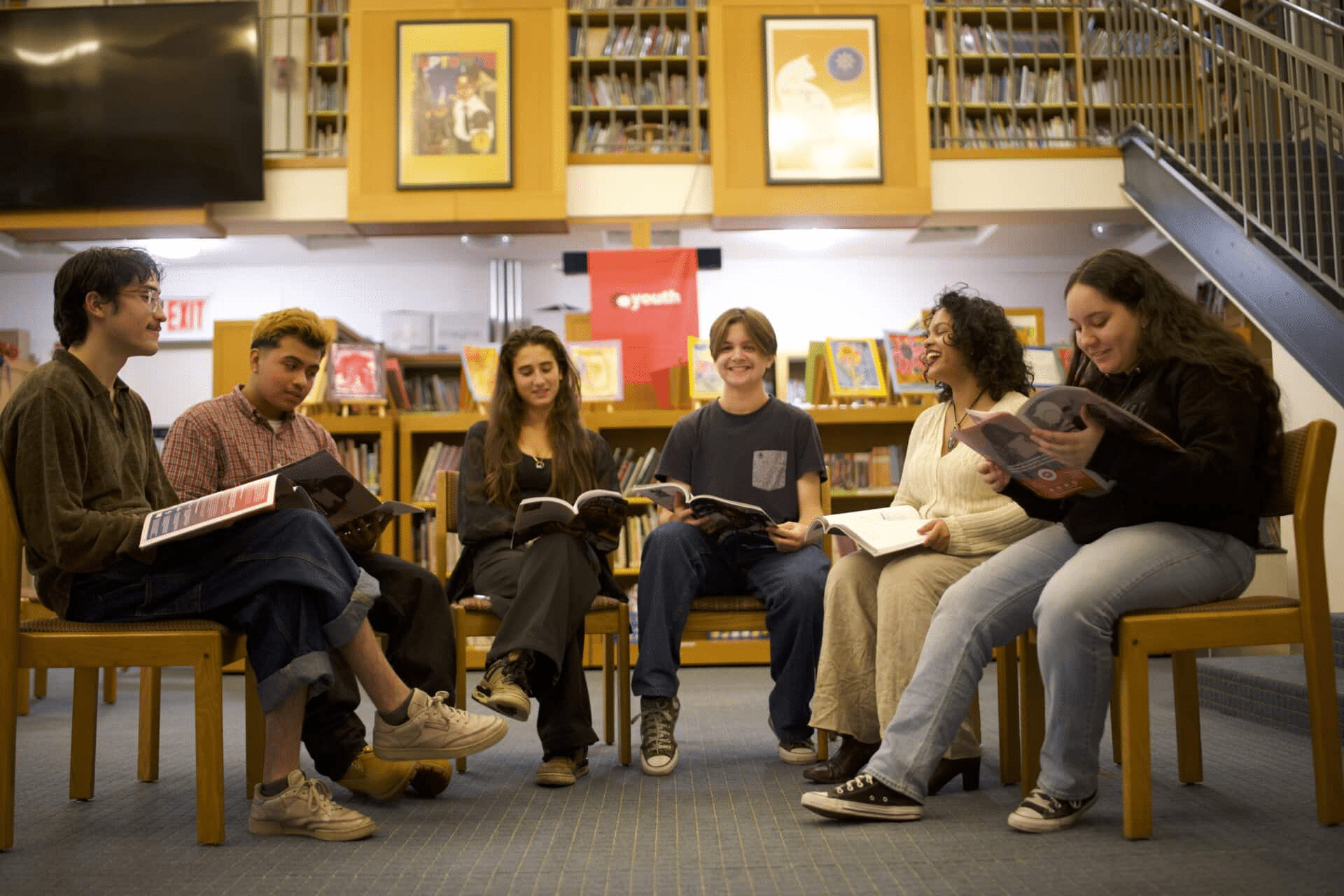
Youth Communication stories are written under the guidance of full-time professional editors, often going through 10 or more drafts over several months of writing and reflection. You can search by topic, date published, and your own keyword to find stories that will speak to the young people in your school or program.

STORY-BASED curricula and lessons

Many stories in this library are featured in Youth Communication’s curricula and lessons. There are full, sequenced curricula for grades 6 to 12 that cover a range of topics from peer relations in middle school to college and career readiness. Or you can mix and match individual lessons from any curriculum to meet your own classroom objectives. Explore the hundreds of lessons here.

“I don’t just use YC stories, I rely on them. They describe exactly what my students are going through. Our English teachers use them too.” 

-High School Counselor