True Stories by Teens

Explore the 10,000 stories YC teens have written since 1980

I Don’t Want AI to Do My Thinking

Two teachers have shown me what we may lose by introducing AI into education.

It’s been only two years since I first heard a teacher warn students not to cheat using AI. Since then, as I’ve learned more, it seems so obviously wrong and contrary to education itself. It strikes me as an attack on thinking, because AI can read the book for you and then write your essay […]


filter by TOPIC

filter by Magazine

filter by Year

Search Keywords

Represent Magazine

True stories by teens in foster care

  • Empowering Expressions


    Andrew stumbles upon a mural that speaks to him more than words can; he also makes art to express his own emotions.

  • It Can Happen to Anyone


    After the writer's mom gets involved in an abusive relationship, she takes a bold step and moves to Atlanta to live with her father to escape her toxic home life.

  • I Choose Foster Care


    The author 's mom swings wildly from sweet to violent. The author wants her family but at 19, decides to opt for the benefits of foster care.

  • Too Much Pressure


    When the writer's parents start arguing over an alleged affair, both turn to him for advice and comfort. He eventually finds a way to tell his parents to seek counsel from adults.

  • Forgiving My Father


    The writer's father becomes distant when he loses his job. They fight constantly but when her father learns she's in therapy to work out their problems, he begins to change.<br><br>

  • Boxing Through My Anger


    Miguel has a lot of anger from his stepfather's abuse, and then from his foster family's indifference. A mentor guides him to boxing, and he gains control of his feelings and his future.

  • Testing My Anger Management Skills


    When the writer gets locked up in juvenile detention for three months, she uses everything she learned in therapy to stay out of fights.

  • Back Off, Mom


    The writer's mom is so focused on pushing her to excel in school and on her college admissions tests, she doesn't see that the relationship has become reduced to yelling and lecturing.

  • Writing Helped Reduce My Rage


    The writer expresses his anger at the foster care system by getting into fights until his therapist encourages him to write rap lyrics to let it out instead.

  • My First Time: On The Job


    Diamonique is excited to land her first job at a McDonald's, but her boss soon becomes verbally abusive.

  • Always Pissed Off?


    These teens knew their anger was destructive-and took the necessary steps to get it under control.

  • Me and My Anger


    The writer's chaotic home life leaves her with uncontrolled rage. She releases her anger by inflicting pain on others, and eventually ends up behind bars. That prompted her to get help by starting therapy.

  • Anger Management 101


    Najet, who is serving an eight-year prison sentence, describes the mandatory anger management course she has to take while behind bars.

  • My Bravest Moment


    In this writer's high school, fights take place every other week. Although she makes every effort to avoid them, one day she is confronted in the locker room. Here's how the writer finds the strength to back down.

  • After Sandy, Have We Become Better People?


    Jennifer comes to the aid of a friend who lost her home after Hurricane Sandy. She is struck by the outpouring of generosity she observes in the storm's aftermath, and wonders whether it will last.

About theSE Stories

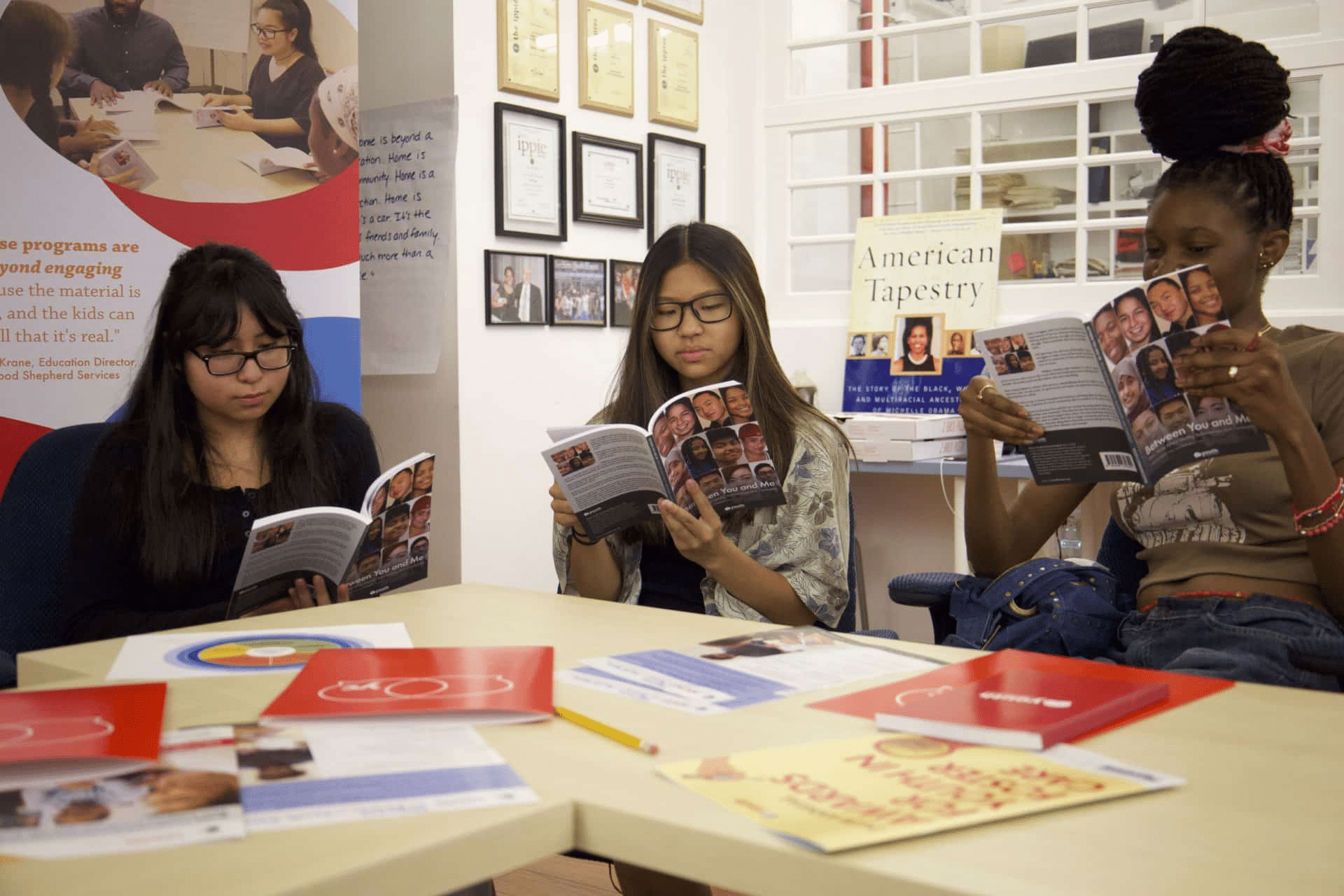
This growing library features true stories exploring universal teen concerns like peer pressure, family conflicts, sexuality, and finding your place in the world.

It also includes stories in which teens write about important historic and current social issues grounded in their personal experiences: war, immigration, homelessness, the environment, and more over the last five decades.

Youth Communication stories are written under the guidance of full-time professional editors, often going through 10 or more drafts over several months of writing and reflection. You can search by topic, date published, and your own keyword to find stories that will speak to the young people in your school or program.

STORY-BASED curricula and lessons

Many stories in this library are featured in Youth Communication’s curricula and lessons. There are full, sequenced curricula for grades 6 to 12 that cover a range of topics from peer relations in middle school to college and career readiness. Or you can mix and match individual lessons from any curriculum to meet your own classroom objectives. Explore the hundreds of lessons here.

“I don’t just use YC stories, I rely on them. They describe exactly what my students are going through. Our English teachers use them too.” 

-High School Counselor