
The cold January breeze cooled my apartment down to below zero because the heating system refused to work. I called up my landlord four times, but he never came to my apartment although he promised me that he would.
What was my landlord, by law, required to do? What were my rights as a tenant? Where could I have gone for help?
Every New York City tenant has basic rights protected by the Multiple Dwelling Law. This law sets up the basic regulations that landlords must follow for the benefit of tenants.
Warranty of Habitability
Tenants are entitled to a livable, safe, and sanitary apartment. Failure to provide heat or hot water on a regular basis, or to rid an apartment of insect infestation, are examples of violations of this warranty. Public areas of the building are also covered by the warranty of habitability.
In an emergency, the tenant may make necessary repairs at a reasonable price and she may deduct the cost from the next rent payment. The tenant should keep the receipts for such repairs.
If, in any way, the landlord breaches the warranty of habitability, the tenant may sue for a rent deduction. The tenant may also withhold the rent, but in this case, the landlord can sue for non-payment. The tenant may then countersue for breach of the warranty.
Landlord’s Duty of Repair
Landlords are required to maintain electrical, plumbing, sanitary, heating, and ventilation systems in good and safe working order.
Landlords also have the responsibility to keep appliances, such as the refrigerator, stove, and radiator, in good working condition and to keep every part of the residence free of dirt, garbage, or other offensive materials.
Charles Hogg, a public information officer with the Bronx office of the State Division of Housing and Community Renewal, suggested, “If you have a complaint, the first person you should go to is the landlord. Write a letter to him and keep a copy of the letter.”
You may say in the letter that if the landlord doesn’t make the needed repair in a certain amount of time, you’ll file a complaint with the Tenants’ Rights Association.
If you or your parents cannot speak English fluently, do not hesitate to report any complaint. There are people in the office (State Division of Housing and Community Renewal) who speak Spanish as well as other languages.
Your Lease
A lease is a contract between the landlord and the tenant. It lists the terms and the conditions of the rentals. It cannot be changed unless both parties agree. It may be oral or written. An oral lease is only enforceable for a year.
Tenants who rent apartments not covered by rent stabilization or rent control may negotiate the rent, the duration of the rental, and the conditions of occupancy with their landlords.
Landlords are required to give 15 to 30 days of advance notice to tenants about the automatic renewal clause, in case the tenant has no intention to renew the lease.
Landlords are required to deliver possession of the apartment at the beginning of the tenancy, unless the lease states otherwise. If the landlord fails to do so, the tenant has the right to cancel the lease and get a full refund of any deposit.
Eviction
To evict a tenant, a landlord must sue in court and win the case. Only a sheriff, marshal or constable can carry out a court ordered warrant to evict a tenant. A landlord may not use force, or any unlawful means to get the tenant to move. If so, the landlord is subject to criminal and civil penalties. Further, the tenant is entitled to get her apartment back.
Tenants have a legal right to organize. They may form, join, and participate in a tenants’ organization for the purpose of protecting their rights.
Retaliation
Landlords are prohibited from harassing or retaliating against tenants who exercise their rights. For example, landlords may not seek to evict tenants solely because tenants make good faith complaints to a government agency about violations of any health or safety law; or take good faith actions to protect rights under their lease; or participate in tenants’ organizations.
Tenants may collect damages from landlords who violate this law, which applies to all rental units except owner-occupied dwellings with fewer than four units.
Right of Privacy
Tenants have the right to privacy within their apartment. However, a landlord may enter a tenant’s apartment with reasonable prior notice, and at a reasonable time: (a) to provide necessary or agreed upon repairs or services; or (b) in accordance with the lease; or (c) to show the apartment to prospective purchasers or tenants. In emergencies, such as fires, the landlord may enter the apartment without the tenants’s consent. A landlord may not abuse this limited right of entry or use it to harass a tenant.
Discrimination
A landlord may not refuse to renew leases or discriminate against any person, because of their race, sex, religion, color, age, national origin, disability, or marital status. A landlord may not refuse to lease an apartment because a person has children living with them.
Key Money
It is illegal for a landlord, superintendent or managing agent to require a prospective tenant to pay a bonus-commonly called “key money”-above the lawful rent and security deposit for preference in renting a vacant apartment.
Your best protection against irresponsible landlords is knowledge of your rights.
Hogg said, “Teenagers can familiarize themselves with the regulations by visiting a local office of the State Division of Housing and Community Renewal, and picking up brochures.”
Thomas Viola, assistant commissionor for public information at the State Division of Housing and Community Renewal, said that teens should familiarize themselves with the lease before signing it.
Viola also mentioned that every October, new rates for lease renewals and new leases go into effect for rent stabilized apartments.
Information for this article was derived from the revised edition of “Tenants’ Rights” published by the State Attorney General’s office.
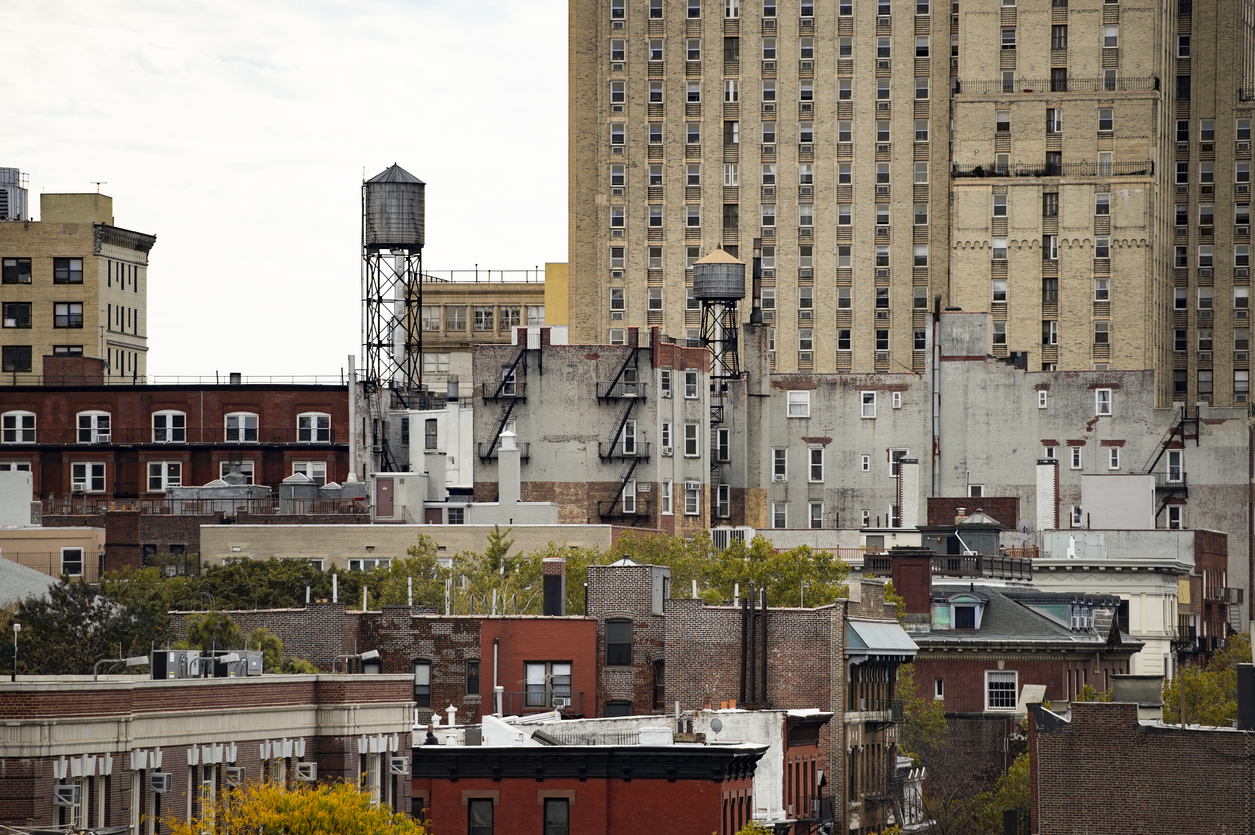
Your Rights as a Tenant
About These Stories
YC runs intensive nonfiction writing programs for teens in New York City, where they’re mentored by a professional editor to write personal stories about their lives and about issues that affect young people. Their stories are then published and read by thousands of teens, educators, policymakers, and other adults who work with and for young people.