
Washington Square Park. Back in the good old days, it used to be free. Comedians, poets and magicians would make their money performing around the park. Skateboarders and rollerskaters would practice their tricks while people on bikes rode around them, all enjoying the atmosphere.
I used to come to this park just to watch these things. It made me happy. It was a good environment to be surrounded by. I enjoyed hanging out there. To me it was one of the brighter parts of this shady city.
The park had its problems with drug dealers, but they did not bother me (you learn to ignore those things when they are always around). They weren’t particularly intimidating. Walking around mumbling, “smoke” or “loose joints,” they were just part of the background noise.
Then, a couple of months ago, I noticed that things were changing. As I walked into the park one day, I saw the bikers, skateboarders, and rollerskaters being stopped by park rangers and informed that they were not allowed to ride there any longer.
As I walked further into the park, I noticed how empty it was. Many people who normally frequented the area were nowhere to be seen. There were a few musicians around, many more rangers, and only about five familiar faces. I wondered if it was going to rain, or if there was a free concert in Tompkins Square-something to explain why the regulars weren’t around.
No Dealing, No Spitting, No Skating
Then I noticed these buses driving up and before I knew it, drug dealers were getting busted in every direction.
I sat down under a tree and watched the arrests. A ranger walked up to me and handed me a green piece of paper. I guess he recognized the confusion in my facial expression and wanted to enlighten me. At the top of the paper were the words “Operation Green Square” and under that was a list of the new rules of Washington Square Park. The restrictions included: no bike riding, no skateboarding, no rollerskating, no peddling, and no spitting.
Then, I understood what was happening. The day had come, they were taking our park away.
To find out the reason for this catastrophe, I called some Parks Department officials. I found out that “Operation Green Square” was their way of responding to complaints from the community about the park. Neighborhood residents and New York University (which surrounds the park) were saying that the dealers, bike riders, and skaters had made the park a dangerous place.
Crowded, Dangerous, Out-Of-Control
“It was out of control, a lot of people were complaining,” said Patrick Pomposello, the Manhattan borough parks commissioner. He explained that NYU officials in particular had complained that their students couldn’t sit in the park and study without being harassed. “It’s pretty crowded and dangerous,” Pomposello said. He also said that, “It’s annoying with some guy saying, ‘smoke, smoke.’ People are afraid.”
Apparently some people are also afraid of the skaters. Tony Dapolito, chair of the parks committee of Manhattan Community Board #2, was quoted in NYU’s student paper The Washington Square News as saying that “You can’t have people riding with skateboards. They’ll kill people.” I, myself, in all the time that I spent there, was never harassed or assaulted by a skater.
But the police and the parks department are taking these complaints seriously and have joined together to “clean up” Washington Square. The police handle the drug dealers, and the parks department handles the people who break the rules and regulations listed on the green piece of paper I was given.
Pomposello said that park rangers are stationed on every side of the park from 7:30 in the morning until 11 at night. Also helping with the “clean up” effort is a group of NYU students (who get college credit for patrolling the park) and a citizen watch team.
Since October 21 of this year, 61 people have been arrested, 30 for drug-related offenses. The rangers that I spoke to told me that most of the others were bikers, rollerbladers, and skaters.
Is Bike Riding a Crime?
I cannot imagine how someone could be arrested for using a public park to ride around in. People complain about bicycles on the sidewalks, skaters on the streets. Now they’re being thrown out of a public park. They are not criminals, they are just kids. They too make up part of the community and their rights should not be overlooked.
Jennifer, 19, of Cooper Union, agrees with me. “I don’t think that the rangers are doing the right things prohibiting bike riding,” she said. “Where are you going to ride your bike if not in a park?”
Alicha Cruz, who is an associate urban park ranger and a park enforcement patrol supervisor, told me that the rangers are just trying to make the park safer for the community. I asked her where the bikers and skaters are supposed to go now. She told me that they were in the process of designating certain areas within the park for bikers and such. No one else in the parks department has been able to verify that statement and I haven’t seen any signs of it. So, as far as I know, it may never happen.
Since “Operation Green Square” began I have gone down to the park many times to interview people about the changes. The majority were happy that they no longer hear “smoke, smoke, smoke” upon entering the park. But I cannot say that anyone was happy with the other changes. In fact, they were all quite disappointed.
The Good Old Days
“I’ve been coming here for years,” said Amee Bianca, 18, of NYU. “[It] was all different kinds of people, altogether in one park, from every race and religion, and yet there were hardly any problems. People used to come to this park basically because of its freedom to do and be whatever you wanted. Now those privileges are being restricted. What a waste of a beautiful park!”
Prince, 24, who grew up a block away from Washington Square, told me that “the park [used to be] a lot freer, everyone hung out, was allowed to play their radios, play ball, and smoke weed.”
The people I interviewed were also angry with the way that the rangers are enforcing the rules. Prince said that “If someone’s riding their bike you see seven or eight rangers running after them. Kind of aggressive, isn’t it? It makes me feel like I don’t want to come back to the park.”
Stephanie, an NYU student, told me that watching the rangers has become the most entertaining thing to do in the park now. “They spot a rollerblader or a messenger on a bike riding through the park and they all run towards them, as if they need all their men to stop one or two people trying to get through the park,” she said.
Jennifer, the Cooper Union student, believes the rangers have taken things too far. “Drugs are one thing,” she said. “It’s understandable that they are cleaning out the dealers, they are criminals. It should not be a crime to ride your bike or anything else in a city owned park.”
Who’s Right?
Yes, the park is now free of drug dealers, and yes, the complaints in the community have been taken care of. But now this park lacks the lively aura it once projected. If you cannot go to a park to ride your skateboard, or watch someone else ride theirs, what can you do? Where can you go to enjoy yourself? And why go to a park to relax if you are constantly being watched by Smokey the Bear?
“Operation Green Square” has been successful in its fight against the drug dealers in Washington Square. It has made the portion of the community that complained about the skaters happy. But it has also thrown aside the kids who loved Washington Square as much as (if not more than) the complainers. As far as I know, none of these kids have complained. They’ve just moved across town to Tompkins Square.
So who’s right? Should anyone be denied the use of their neighborhood park for legal activities? And if the answer is “yes,” shouldn’t the city at least be responsible for giving these people a park of their own, where they can ride in peace?
Maybe if the rangers made it clear to the people they stop in the park that they also have the right to complain, things would be different and I wouldn’t have to spend my time writing this article.
Well, we can still change things. Fight for your park. They’ll probably attack Tompkins Square next.
To make a complaint about a problem in a city park, call: in Manhattan, 212-408-0238; in Brooklyn, 718-965-8900; in the Bronx, 718-430-1867; in Queens, 718-520-5900; in Staten Island, 718-390-8000.
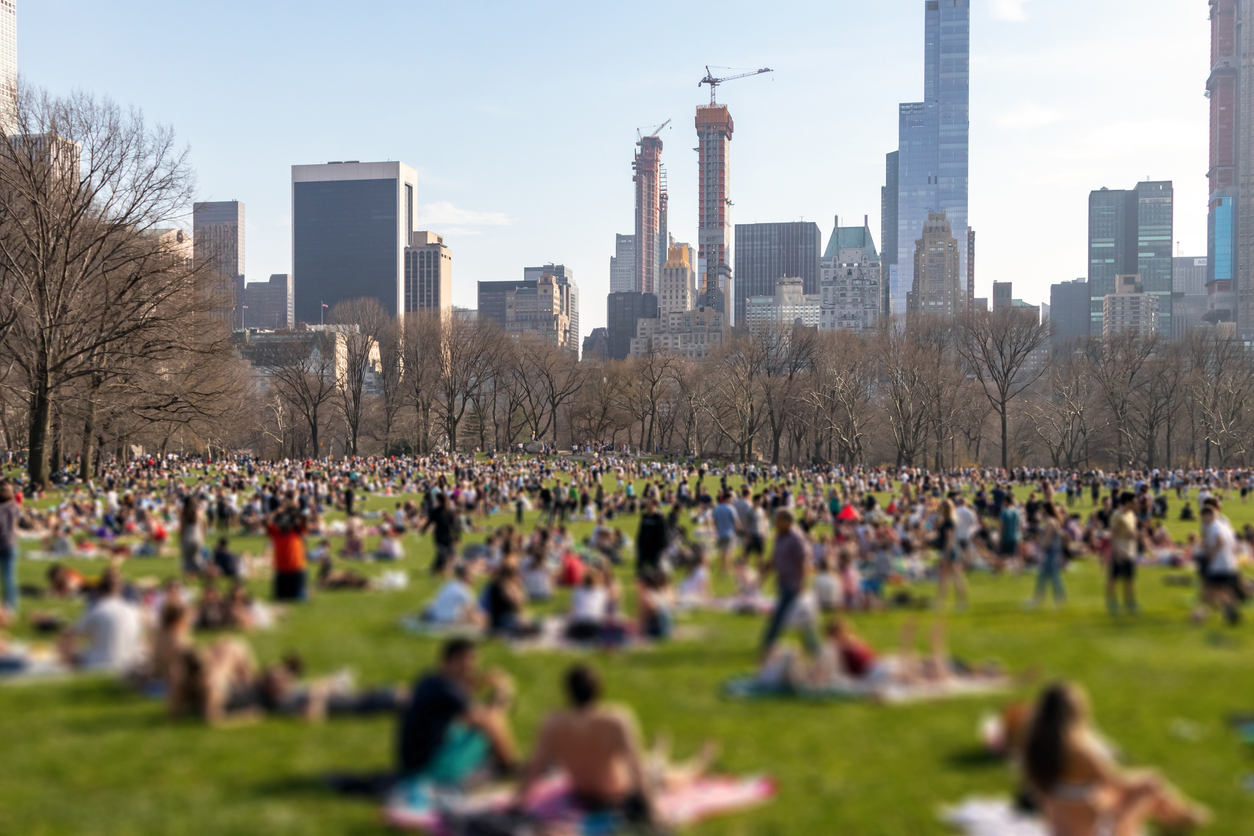
Washington Square: It’s Not Our Park Anymore
About These Stories
YC runs intensive nonfiction writing programs for teens in New York City, where they’re mentored by a professional editor to write personal stories about their lives and about issues that affect young people. Their stories are then published and read by thousands of teens, educators, policymakers, and other adults who work with and for young people.