
Cutting through Flatbush, Crown Heights, and Bedford Stuyvesant, Brooklyn, is the Franklin Avenue Shuttle, the subway’s only link between the Brighton (D,Q) line and the A and C trains in Brooklyn. Teens from Clara Barton HS, Prospect Heights HS, and the School for the Deaf are among those who ride the shuttle to and from school. “I used it to go to school every day when I went to Boys and Girls [HS], and whenever I went to the beach at Rockaway,” said Pascal Lousaint, 17.
But the Franklin Avenue Shuttle looks as if it hasn’t been renovated since the line was first built some 130 years ago.
Some of the platforms are still made of wood. The stations it stops at are dirty and poorly lit. You can still see graffiti going back as far as the late 70’s and early 80’s. The supports under the elevated part of the line look as if they will soon collapse under the weight of the trains.
“It’s depressing,” said Herman Cruz, who uses the shuttle to get to work every day. “It’s as if the city forgot that this train line exists. Where else in the subway system are the platforms still wood?”
A Near Shutdown
In 1982, the Transit Authority proposed closing down the shuttle completely and replacing it with bus service running along a similar route. The people in the neighborhood, as well as institutions like the Brooklyn Museum and Clara Barton HS, rallied to save the shuttle, citing its importance to the community. They held protests and wrote letters to put pressure on local politicians.
“There have been attempts to play political games with the Franklin Avenue Shuttle,” said Crown Heights community activist Connie Lesold. “But the people around here have made sure that these games don’t succeed.”
Ms. Lesold explained that for many the shuttle is the only convenient way to get to the Brooklyn Museum and the Botanical Gardens. If the shuttle were abandoned, she said, “train riders could not get to the cultural centers of Brooklyn, it would really turn most of Brooklyn into a ghetto.”
Lesold speculated that transportation in the neighborhood would be so poor that a lot of people would just stay home rather than walk the extra distance to catch another train. Not only adults but children would miss out on going to places like the beaches at Coney Island and Rockaway.
So after holding public hearings and receiving countless letters of protest, the TA decided not to do away with the shuttle after all.
Going Nowhere Fast
But the shuttle has been reduced from three cars long to only two and the platforms and token booth areas continue to fall apart. Despite some minor rehabilitation work done by the TA to prevent a structural collapse, the shuttle continues to deteriorate and make the neighborhood at least look like a ghetto.
While the TA made major improvements on stations on other lines in other areas of the city, the Franklin Avenue Shuttle has remained in the same condition.
TA spokesperson Tremain Garden said this is because not many people use the shuttle and the number of riders probably won’t increase even if repairs are made. “There is nothing to generate ridership over there,” Garden said. “Most people elect just to walk to the “D” or the “A” because the [shuttle] trains hardly run.”
As for the shuttle’s current riders, Garden said, “The people who use it need to use it regardless of how it looks.” He explained that the TA’s priority is to get more people riding the train. “At Lincoln Center if we can make the station prettier people will choose to use the subway instead of their car, but this is not true with the shuttle.”
Don’t We Count?
Does this mean the people who use the shuttle in Brooklyn are not as important to the city government as those who use the subway at Lincoln Center? Maybe, maybe not. But, when it comes to looking for ways to increase ridership and bring in more money, “We just don’t see anything major in the community,” said Garden.
Well I live near the shuttle and I see hundreds of high school students using it to get to school every day. I see people going to and from work and in the summer I see groups of little kids getting on and off the shuttle on their way to the beach or coming back from the park. I consider that major and so do my neighbors.
The transit police don’t seem to be making protecting shuttle riders a high priority either. “Kids go crazy,” said Paulette Ramirez, of Edward R. Murrow HS, who uses the Botanical Gardens station every day, ” ’cause the place looks like a f-king hellhole and they never see no cops there so they think they could just bug out down there and not get caught, which they can.”
I asked Garden why the TA doesn’t put more officers on the shuttle line. “You can’t deploy officers there when its usage is minimal,” he said.
A Free Ride
Maybe if more officers were deployed there teens wouldn’t hop the turnstile as much. Garden said, “There is a lot of fare beating along the intermediate stops [of the shuttle].” In a way, this is understandable. How would you feel if you paid $2.50 a day to get to work and back and you look around and realize none of the money you pay goes to fixing up the line you take the most?
Two years ago, with continuing pressure from community groups, the TA allocated $2 million to study the Franklin Avenue Shuttle. The study discusses many options including shutting down the shuttle, but makes no specific recommendations.
Renovations are planned but nothing is under way as of yet. The TA says they are still looking for federal money to do the work. Meanwhile, for the approximately 1 million riders who use the shuttle every year, things are only continuing to go downhill.
The other day I was thinking about ways to get the city to focus its attention on the problems of the Franklin Avenue shuttle and I thought about burning down those wooden platforms. But then I realized I’d only be helping the TA by giving them an excuse to close the whole shuttle line down once and for all. So for those of us who use the shuttle frequently I guess we should just count our blessings, thankful that the shuttle is still here, dirty and dangerous but still around.
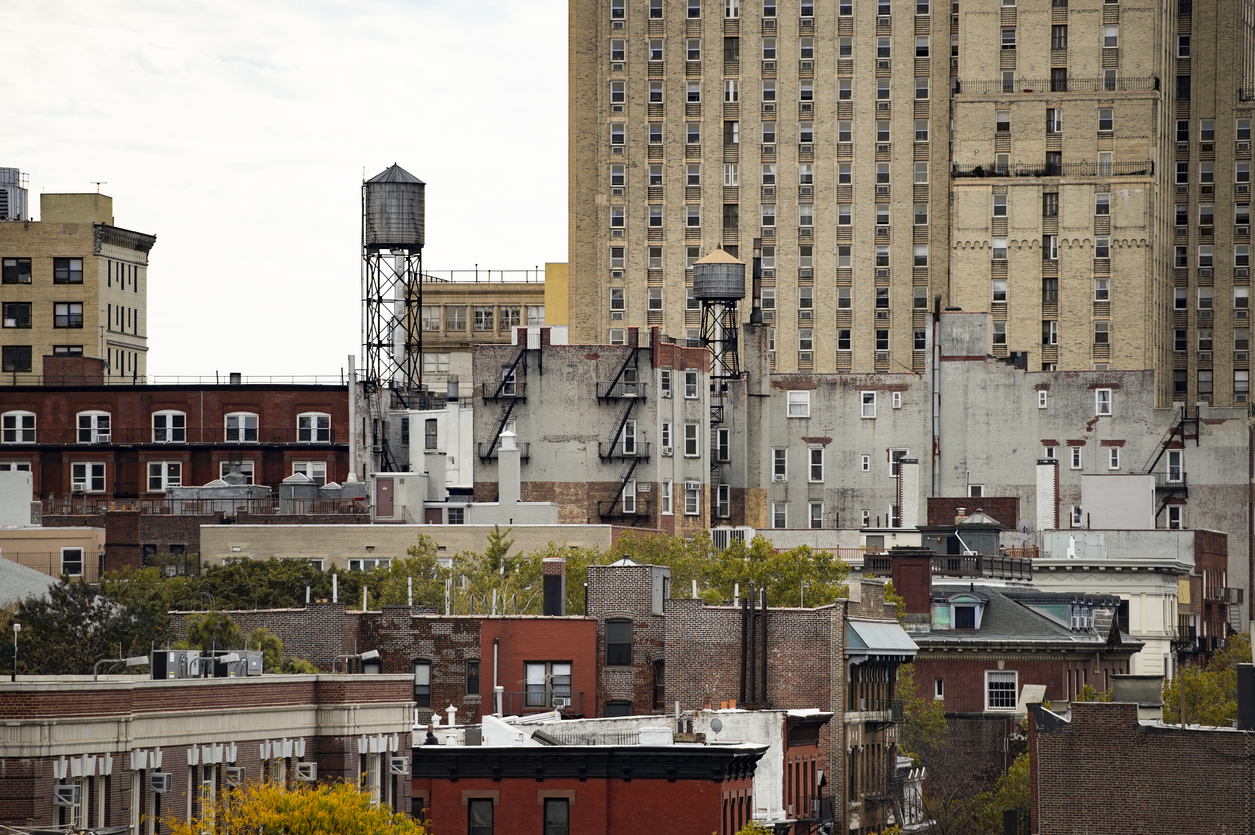
The Franklin Avenue Shuttle: The Subway Line From Hell
About These Stories
YC runs intensive nonfiction writing programs for teens in New York City, where they’re mentored by a professional editor to write personal stories about their lives and about issues that affect young people. Their stories are then published and read by thousands of teens, educators, policymakers, and other adults who work with and for young people.