
“I would leave in the morning for school. When I came back to go to my room, somebody had spray painted the word FAGGOT on the door.”
This incident happened to Shantur, 15, a resident of the system since the age of four. Shantur is one of many gay and lesbian youths in group homes who face harassment because of their sexuality.
For Shantur, the harassment only got worse as time went by.
“Bottles were thrown and people would shoot at me…My clothes were burnt, things that were precious to me were stolen or broken.”
Once when Shantur went into his group home lounge to watch TV, he found a sign that said “FAGGOTS ARE NOT ALLOWED TO WATCH TV.”
After these incidents happened, Shantur tried to get his group home staff to take action. However, the staff were not concerned. “The staff didn’t do nothing much but laugh when I told them,” said Shantur.
Similar incidents happened to Polee, 20, a seven-year veteran of the system.
“When it got out that I was gay, people around the neighborhood decided to beat me stupid. When I went back to the group home and told the staff, they said that I should learn to take care of myself.”
Afraid for his safety, Polee went A.W.O.L. and was homeless for a year.
The abuse suffered by many homosexual residents reflects society’s attitudes towards gays and lesbians. Many staff and residents treat homosexuals with hostility, in a system that guarantees equal rights for all and that is supposed to shelter young people from abuse, not cause more of it.
“The so-called straight people in here claim that the gay kids are trying to turn them gay. It’s kind of confusing,” said Jermaine, 16, a gay resident of the system, explaining why many heterosexuals in the system do not feel comfortable around homosexuals.
“I Won’t Sleep in the Same Room”
This fear is a main cause of tension between gays and “straights” in group homes. Many heterosexual residents are afraid that gay residents will force themselves on the “straight” kids (although it is a stereotype that homosexuals prey on heterosexuals-see p. 8).
Damion is a heterosexual resident who does not feel comfortable around gays.
“I won’t want them around me because they might try to do something funny,” he said, “and I don’t want to do nothing vicious to put them in the hospital.”
Says Moneybag, a group home resident: “I would not walk around in my underwear in front of a [gay] person, [for] fear of him trying to rape me.”
“I won’t sleep in the same room but, as I said before, as long as they don’t make a pass at me they won’t have any problems,” said Savalas Shepard, another heterosexual resident.
But not all youth in foster care fear gays and lesbians. Sandra, an 18-year-old lesbian who lives in a group home in Manhattan, said the residents are “comfortable with me. They play and joke with me. They get physical, like pushing around and wrestling. They’re comfortable with being with me and talking about their experiences. It’s not like I go into the shower room and they all run for the door.”
And Chris, 20, who is gay, feels “liked and accepted” by the residents and staff of his Manhattan group home.
Staff Training Needed
But for many gay and lesbian residents, dealing with the staff is not easy.
Robert, 18, says that when he first got to his group home, the staff members would call him “homo, faggot, or just ignore me.” But now they respect him more than they did at first.
Sandra has not experienced hostile behavior from the staff, but the staff had difficulty in adjusting to her.
“It was a learning experience, for the staff. They had never dealt with a lesbian in foster care before. When the topic with sex came up, like when the girls asked, ‘How do you have sex?’, they didn’t know how to deal with it. The staff didn’t have any training in how to deal with lesbian residents. But still, they did embrace me.”
And there are staff members like Eloise Rodriguez, who does not feel that lesbians and gays should be discriminated against. “Just because they gay or whatever, doesn’t make them less of a person.”
A Double Standard for Gays
But foster care youth who are gay still feel that they are not treated the same as other residents.
“Straight kids get more attention and better treatment, and homosexuals are discarded,” said Polee.
“A straight person could bring a girl over, take her in his room [in the group home], have sex, and nothing would happen. But if two gay kids got caught having sex, it would be like somebody blew up the house,” said Shantur.
And even in the case where staff members are open-minded, they often harbor certain stereotypes.
As Sandra says: “You have staff members that are more open-minded than some, and there are others that bring their beliefs with them to work, even though they’re not supposed to say anything that’s going to influence you to one extreme or the next.” She also adds, “There are still some staffs that feel [being gay is] wrong or we all need to be put on an island and blown up or something.”
Polee puts it simply: “Foster care taught me that homosexuality is wrong.”
Educate Staff and Residents
One way Polee thinks these attitudes could be changed is by educating staff and residents about homosexuals and to have a “Bill of Rights” for gay and lesbian kids in the foster care system.
Shantur thinks that the whole system should be changed. “Once you get into the system, nothing you says matters. You don’t have control over where you are to be placed or whatever.”
Robert says gays are placed without any thought for their safety. “They don’t give a f-ck and just place you anywhere, and whatever happens happens, and it’s up to you to survive.”
Chris feels that Black staff and residents in particular should be more understanding of gay rights. “Why should we discriminate,” he asks, “when we are discriminated against?”
Polee gives a piece of advice to teens in the system who have to handle the stress of being gay.
“Be yourself at all times and be strong. Educate your mind. If other people won’t help you, seek the resources yourself, and don’t hate yourself at all.”
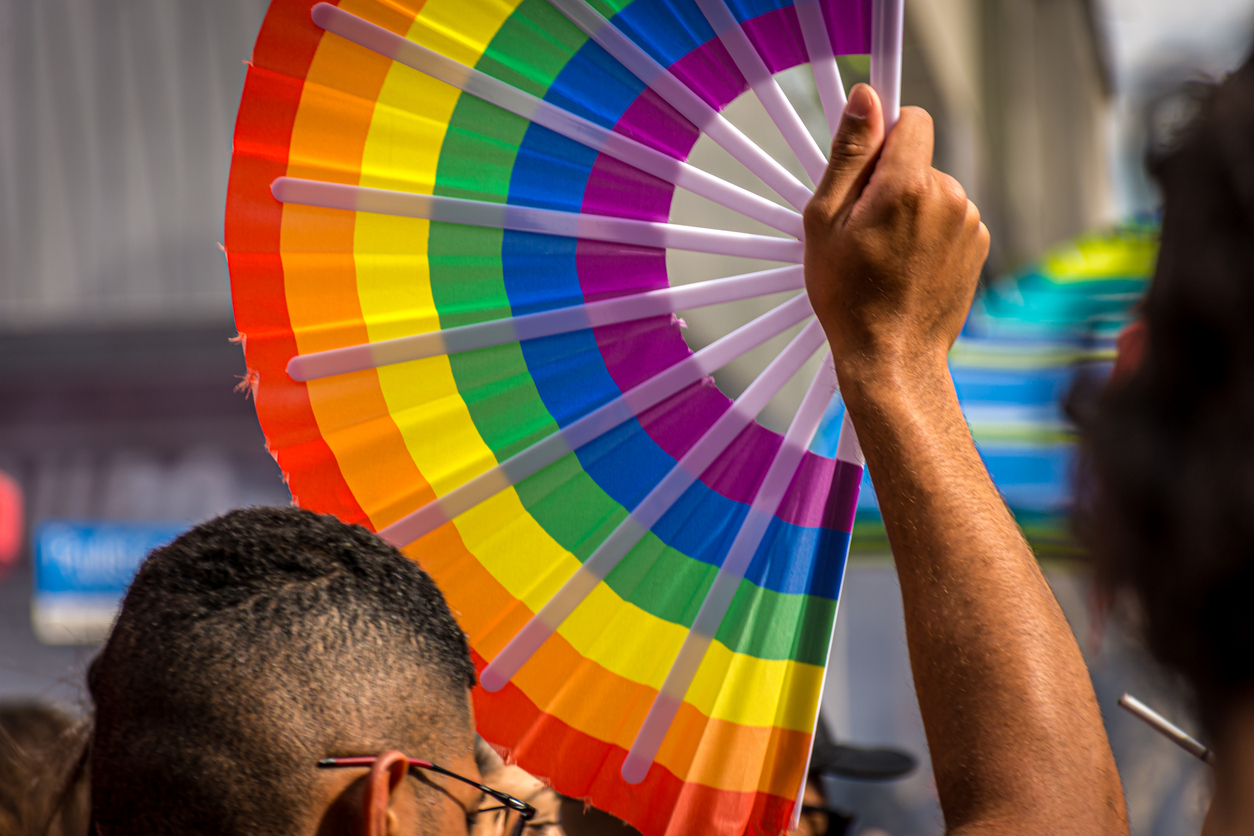
Lesbians and Gays in Group Homes: From the Frying Pan into the Fire
About These Stories
YC runs intensive nonfiction writing programs for teens in New York City, where they’re mentored by a professional editor to write personal stories about their lives and about issues that affect young people. Their stories are then published and read by thousands of teens, educators, policymakers, and other adults who work with and for young people.