
“It’s like a salad bowl,” said Sonia Sarmiento, 19, of Middle College HS. “Everybody has a different identity.”
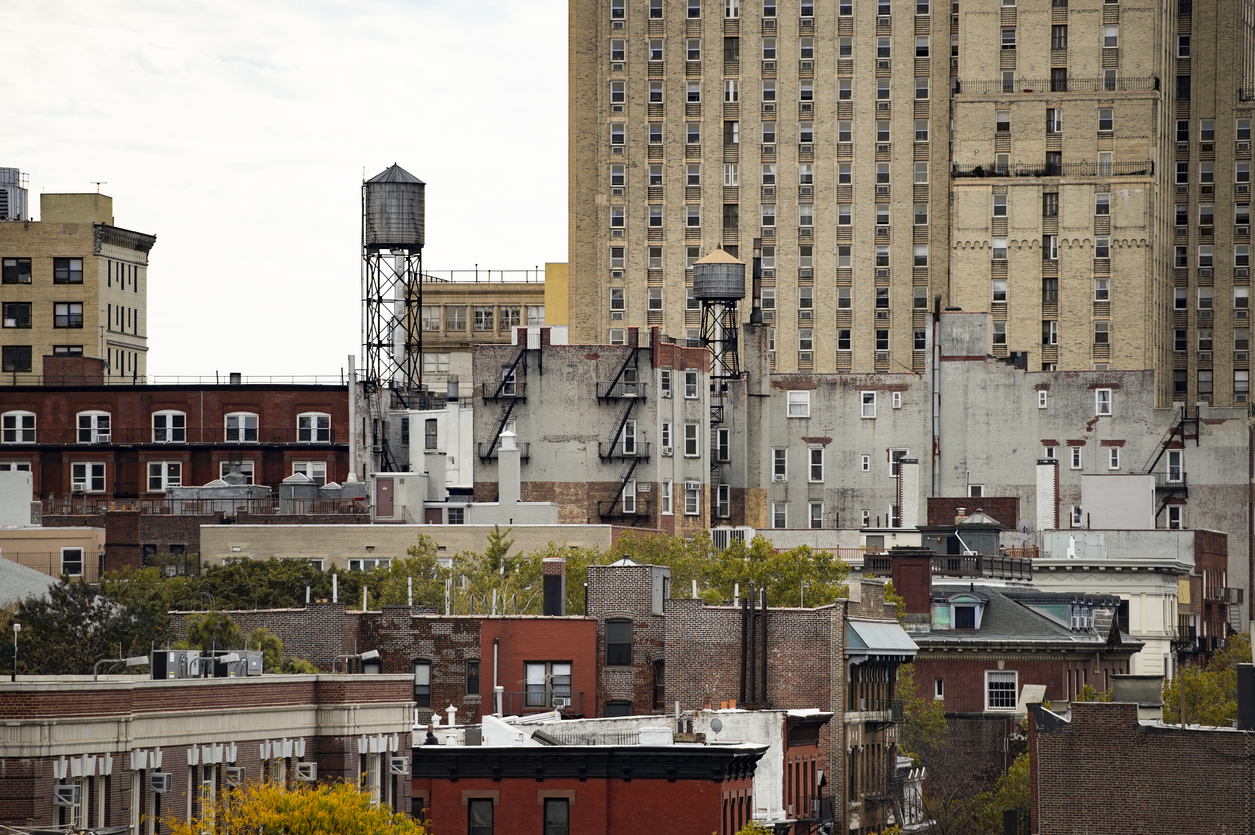
Sonia was talking about Jackson Heights, Queens, one of the most culturally mixed neighborhoods in New York City. Take a walk on 74th Avenue and you’re in Little India, where you’ll see men in turbans going in and out of Indian restaurants that blow the smell of curry into the streets. Indian women bustle into the “Popular Sari Palace” eagerly searching for smashing new outfits. Head over to 37th Avenue, and the rhythms of salsa and merengue can be heard from car radios as Colombians, Argentinians, and Peruvians cruise in front of an endless row of South American restaurants.
And that’s just the beginning. “There are over 50 different cultures,” said Dora Desamour, 17, who has been attending Newtown HS in Jackson Heights for two years. Sonia started to list them for me: “Blacks, Hispanics, Orientals, Russians, all these different people…and they all get along.”
It Takes All Kinds
Most of us have an image of mixed neighborhoods as places charged with racial tension, having heard so much about the intolerance that plagues areas like Crown Heights and Bensonhurst. How is it possible that the Colombians, Greeks, Indians, Taiwanese, Uruguayans, Dominicans, Blacks, Jews, and others who live in Jackson Heights “all get along”?
One reason is the work of the Cultural Awareness Council (CAC). Founded in 1986, the CAC is made up of people from the different cultures of Jackson Heights and its purpose is to keep the peace. The Council’s members believe that the only way to do that is to get people from different groups to learn about one another.
“People are suspicious of new comers,” said Judy Grubin, the president of the Cultural Awareness Council. “They feel that these new people are here to take away their jobs. It’s fear, a lack of understanding, and erroneous information about one another. If you know about my culture and I know about yours, we can get along.”
To help Jackson Heights residents get to know each other, the CAC has rap sessions and forums where the different groups talk about their cultures. “The object is to get rid of the stereotypes,” Grubin said. “It works out extraordinarily well.”
Why Do They Act That Way?
For example, Grubin explained that Black people in the community had been resentful about how when they entered Korean stores, the Korean cashiers never looked them in the eye, and avoided touching them when they gave back change. During a CAC forum, Koreans explained that in their culture it is considered disrespectful to touch a stranger and rude to look someone straight in the eye. After communicating with the Koreans, there was less resentment in the Black community.
Occasionally, problems do arise. Several years ago, when their team won a World Cup soccer playoff, Colombians and other South Americans took to the streets for a celebration. Some stores were damaged and many people just got angry at the way the soccer fans had taken over the streets. The incident revived negative stereotypes about Colombians-that they were drug dealers with no respect for the law. The CAC got involved.
You Have To Work At It
“Within two or three days, we called the Human Rights Commission, the police, the unhappy store owners, and everyone involved,” Grubin said. “We held a meeting. We tried to find out what happened, why, and how to prevent it from happening again.”
The conflict was eventually resolved. In the end, members of the Colombian community paid for the damage that had been done to the stores and guidelines were set for calmer celebrations in the future. After the next soccer game, Colombians stood on the streets, directed traffic, and made sure that everything stayed calm.
In addition to being home to a lot of different ethnic groups, Jackson Heights also has a large gay and lesbian community. Since a gay man was killed in a gay-bashing incident there last year, there have been attempts to organize forums about gay people, but Grubin said there has been some resistance. “It’s a very conservative community,” she said. Nevertheless, Grubin said the CAC will keep trying.
Respect Is the Key
Dora said that going to school in Jackson Heights has taught her that “other people from different cultures are very nice. They will respect you as long as you respect them.” If a racial incident breaks out in your neighborhood or your school, she said, “Try to get counseling, but don’t seek revenge.”
On my way out of Jackson Heights, I bought some lunch. The Korean cashier did not look at me suspiciously, fearing that I might sneak something in my pocket, like the ones in my neighborhood do. As I walked along the streets of Jackson Heights, I don’t think I heard a word of English. Different-shaded people chatted in foreign dialects on pay phones, not minding me or anyone else around them. Even though it wasn’t my neighborhood, I felt comfortable there. It made me think a lot about something Grubin had said: “With understanding, there can be no fear.”
For more information about the Cultural Awareness Council, call Judy Grubin at 718-651-7799.
Jackson Heights: Can We All Get Along?
About These Stories
YC runs intensive nonfiction writing programs for teens in New York City, where they’re mentored by a professional editor to write personal stories about their lives and about issues that affect young people. Their stories are then published and read by thousands of teens, educators, policymakers, and other adults who work with and for young people.