
Pam spent a large part of her childhood in Michigan’s child welfare system being shuttled from one foster home to another. Nearly 30 years later, she had become a nurse and mother of two. “I thought I had dealt with my foster care issues,” she remembered.
Then she became seriously ill and was no longer able to care for both of her children. Deciding to send her oldest daughter to live with an in-law overwhelmed her. In her daughter, Pam suddenly saw her younger self: angry, alone and confused, torn from home and not understanding why.
To help her and her daughter weather the separation, Pam knew she needed to talk with those who had been where she had-other survivors of the foster care system. Pam searched for a support group for former foster youth, but could find none, though the Self Help Clearing House did have the name of Carol, another woman who had called looking for the same type of support. Together, Pam and Carol formed F.A.C.T.-Foster and Abandoned Children Together, a support group for former foster children, which first met on March 16, and has continued to meet every Thursday since.
In F.A.C.T., its members say they find an acceptance and understanding they rarely experience when talking to others about their years in care. “When you talk to someone who’s been there,” Pam says, “you can just see by the look on their face that they understand. It’s like, ‘Yes, yes, yes-I’ve been there!'”
To help former foster youth in other parts of the country form their own support groups, F.A.C.T. members have created a website with ready-to-print flyers for meetings, suggested agendas, discussion topics, and information relevant to former foster youth. To help them, they interviewed therapists, social workers in the child welfare system, and former foster youth. Their website is a great resource: www.factsupportgroup.com
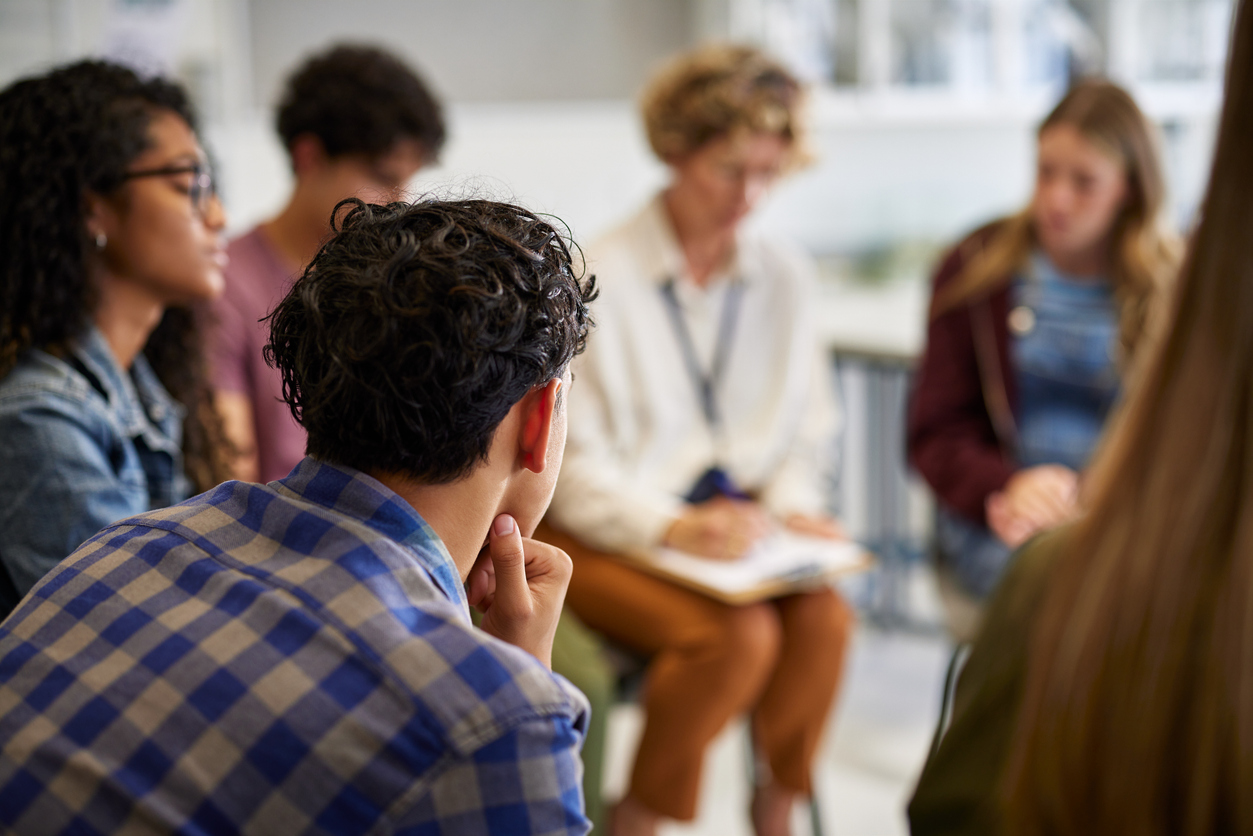
Former Foster Youth Join Together
About These Stories
YC runs intensive nonfiction writing programs for teens in New York City, where they’re mentored by a professional editor to write personal stories about their lives and about issues that affect young people. Their stories are then published and read by thousands of teens, educators, policymakers, and other adults who work with and for young people.