
I grew up hearing a lot of stereotypes about the projects-how they aren’t safe and how people get killed and raped there. I would look at the projects near my foster mother’s house in East New York, Brooklyn. They were dirty and dingy, and the walls were painted with graffiti and gang slang. I would tell people, “Oh me, I would never live in the projects. Those are for people who settle for less.”
I was 19 when I applied for housing as I prepared to age out of foster care. I applied for subsidized housing, meaning the city only charges you 30% of your income for rent, no matter how much or little money you make. It also meant I’d be living in the projects.
It wasn’t what I wanted, but the most important thing was to get my own place. And I didn’t have any other housing options-with only a part-time retail job, there was no way I could afford a market-rate apartment in New York City.
When I aged out, I stayed on top of the people who did my housing application so they could update information about my application status. They told me I had two apartment choices. If I didn’t like those two choices I’d have to wait longer to obtain an apartment, which I didn’t want to do. As I got ready for my first interview to see a place, I was nervous. The project was in another part of Brooklyn, Bedford-Stuyvesant (Bed-Stuy). I thought there’d be shootings all the time and cops everywhere.
Skyline and Sunsets
But the area was nice. It wasn’t dirty like I expected. I went to the management office, and the housing assistant was polite. She showed me the apartment; it was spacious and pretty with nice floors. It looked like a condominium and it had a view of the Empire State Building. I decided to take it.
Then I gave the housing authority my financial information, including pay stubs. I worked at the Gap then, but they’d cut my hours, so I didn’t earn much there. The housing assistant told me that my rent was going to be $83. I couldn’t believe it, only $83! I moved in a month later, and it felt good. I felt like I was free. I’d been living at my foster mother’s house paying her $300 a month since I aged out, and I never felt secure there.
I’m not sure how where I live compares to other projects in the city and around the country, but living there has proven some of my stereotypes wrong. The building is neat and clean, no graffiti on the walls. The floors are always mopped and swept. Snow is shoveled and I don’t have to worry about stepping in ice. I like living here.
I keep to myself and my house is always peaceful. I don’t go looking for trouble and I make sure that I pay the rent on time.
Two things I absolutely love about where I live are the sunrises and sunsets. They are so gorgeous. I sometimes take pictures of them on my camera phone. I love looking out my window, at the clouds during the day and the moon and the stars at night.
Space and Security
I also like my four closets. I’m glad that I can organize them any way I want to, so I have a cleaning closet, guest closet, a supply closet, and a clothing closet.
I live with my dogs and I take them out for walks. I also have family near the neighborhood, so I can always see them, which I like the most.
Like the joke says, when you assume, you make an “ass” of “u” and “me.” Now I know I shouldn’t have believed what other people said about the projects without experiencing them myself.
I absolutely love my apartment and my neighborhood. Everyone’s not in poverty: There are teachers, college students like myself, nurses, and other people with good jobs living here. I have some neighbors who I sell Avon to along with neighbors I don’t talk to because of their bad reputation. The projects are just like any small town.
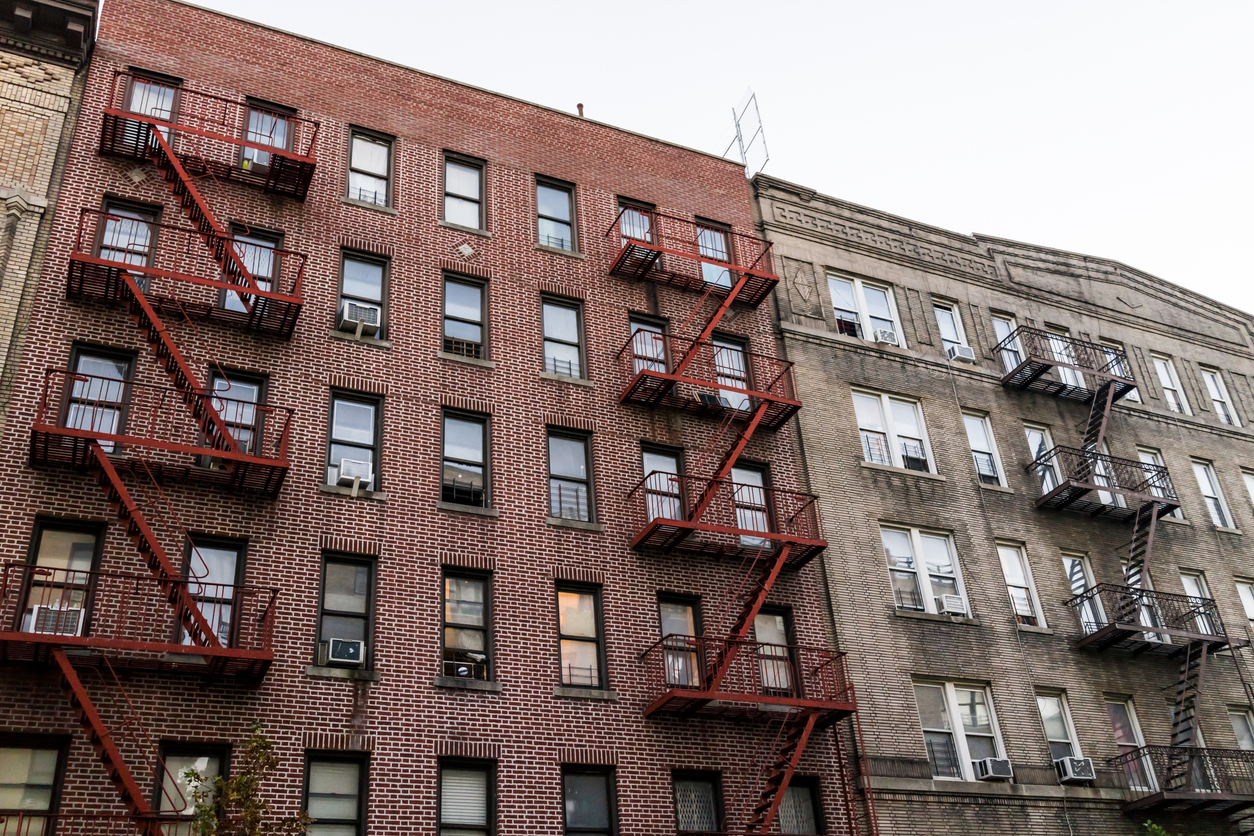
Living in the Projects Is Not What I Expected
About These Stories
YC runs intensive nonfiction writing programs for teens in New York City, where they’re mentored by a professional editor to write personal stories about their lives and about issues that affect young people. Their stories are then published and read by thousands of teens, educators, policymakers, and other adults who work with and for young people.