
Street Connections
Do People Judge You By Your Clothes?
By Janill Briones, Sam Greenlee, Amy Lu and Shamika Rivera
Lanee Hooten, 16, Science Skills Center HS: “No, because people don’t come up to me and say, ‘Oh Lanee, you’re not wearing those Baby Phat jeans.’ I don’t really care. Just as long as I look nice, it doesn’t matter if I’m wearing name brand clothes or not.”
Nicole Ramsook, 16, Science Skills Center HS: “Yes, they do, because if I dress all in black, they think that I’m a goth and a Satan worshipper. And if I dress comfortably, they’re like, ‘Ewwww.’ “
David B. Rodriguez, 16, Humanities Preparatory Academy: “No, not really. I haven’t been in the type of situation where I wasn’t able to do something because of what I was wearing.”
Ashley King, 16, Science Skills Center HS: “Yes. When people see me, they see me in loose or baggy clothing, and they assume that I’m tomboyish, and they treat me differently. Girls see me as hired muscle, and guys see me as the best friend.”
Dway Black, 15, John F. Kennedy HS: “Yes. Most people think that if you wear baggy jeans and a du-rag, you’re a gang-banger.”
Katherine Podkalicki, 17, New York City Museum School: “I get the feeling they do sometimes. Some of the clothes I wear are colorful. Like, my socks are always rainbow. But, everyone judges someone over something. Clothes are just the first thing we see.”
Ansuri Ali, 16, Science Skills Center HS: “Yes. They look at me and they think I’m a staff member or an intruder.”
Gledali Rodriguez, 17, ACORN HS for Social Justice: “Sometimes-it’s more my attitude, though. Sometimes people tell my friends comments like, ‘Why you hang out with her? She does not know how to dress.’ “
Egomeli Hormeku, 16, Science Skills Center HS: “Yes, I am judged by the clothes I wear. Every day, people hold their purses tighter on the train and some say I look like P. Diddy. School’s different because I’m a product of the school’s [culture].”
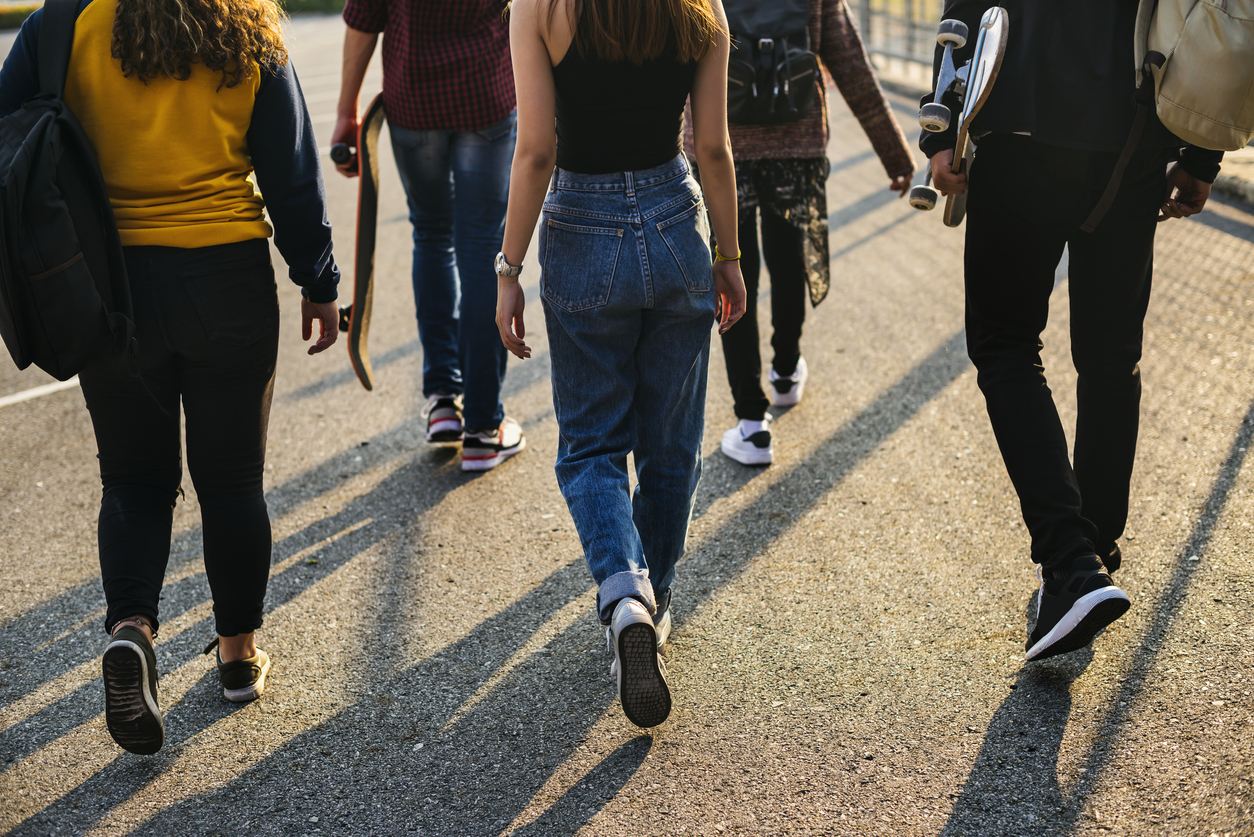
Do People Judge You By Your Clothes?
About These Stories
YC runs intensive nonfiction writing programs for teens in New York City, where they’re mentored by a professional editor to write personal stories about their lives and about issues that affect young people. Their stories are then published and read by thousands of teens, educators, policymakers, and other adults who work with and for young people.