
Imagine not being allowed to wear pants, or date, or go to school past junior high. There’s no TV to watch or radio to listen to or movies to go to. If you want to go out at night, to a party or a dance, your parents will let you only if you take your older brother or cousin along as a chaperone.
Your life consists of helping your mother cook and clean and take care of your younger siblings and maybe working in a sweatshop.
Well, this is what life was like for a girl named Victoria Confino, and a lot of other teen girls in New York City, less than 100 years ago.
Tenement Life 101
I learned about Victoria, and what life was like for immigrant teens during the early part of the 20th century, when a group of us from NYC visited the Tenement Museum down on the Lower East Side of Manhattan. It was a unique, fascinating experience.
Tenements were apartments built for poor and working-class people beginning in the mid-19th century. Built as cheaply as possible, they usually didn’t have gas, running water, or bathrooms; often, only one room had windows. At the Tenement Museum you get to see what it was like to live in those apartments.
A Walk Back in Time
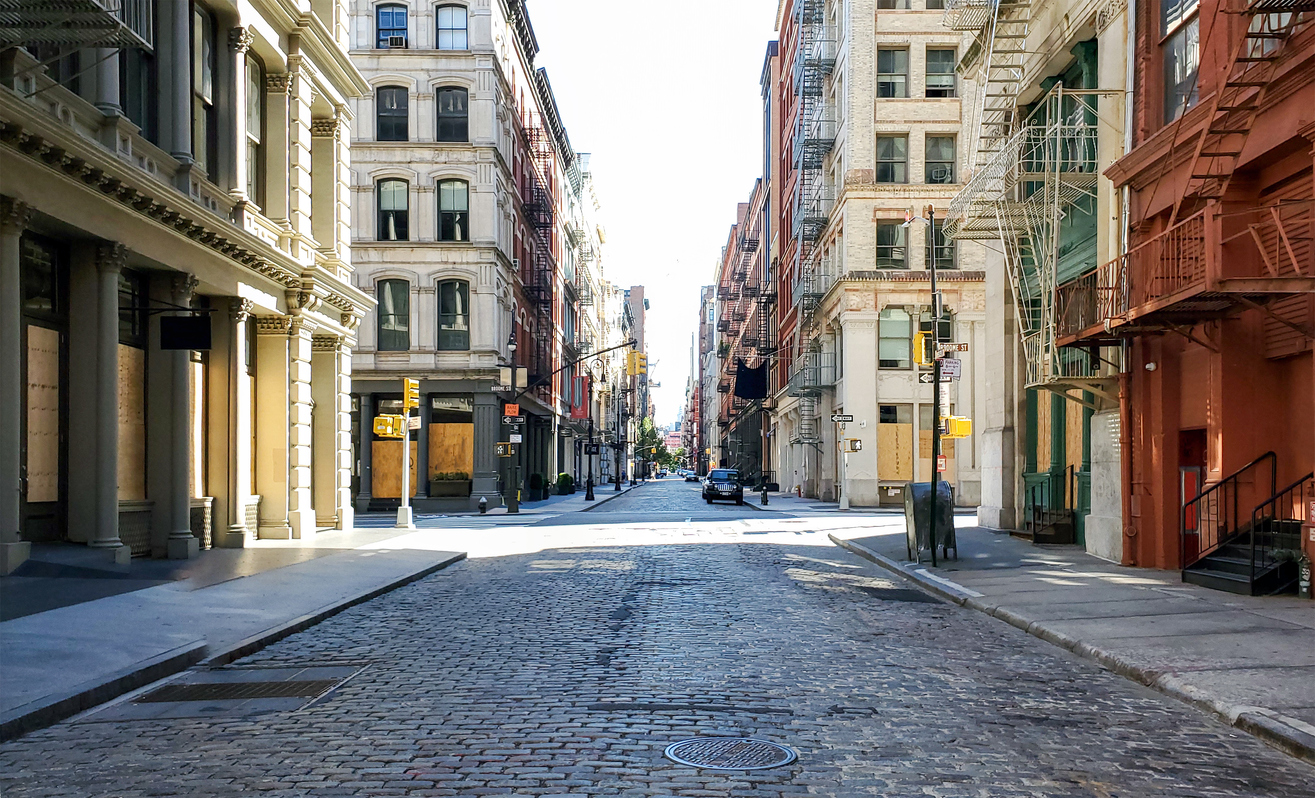
Before I even entered the museum, I felt like I was in a time warp. All the buildings we passed on the way to the museum looked really old and run-down. It was exactly how I would’ve imagined it to have looked at the beginning of the 20th century when immigrants were arriving in droves.
Walking down Orchard Street towards the museum, I half expected to see a bunch of pushcarts with fish and meat for sale, or merchants selling ankle-length skirts and oil lamps.
“It must’ve been so exciting,” I thought, “being at the cultural center of the universe, with all the new things happening, so many things changing and progressing.” I thought how I would’ve loved living back then.
Inside the museum we looked at old-fashioned toys, clothes, pictures, cookbooks, biographies, maps, candy and a lot of other cool stuff. Then a tour guide took us up to one of the apartments which looked exactly like it had when it was being lived in.
At the door, we met a woman who was playing the role of Victoria Confino, a 13-year-old girl who actually lived in the building back in 1916.
Our group pretended to be an immigrant family who had just arrived in New York City and was thinking about moving into Victoria’s building. We were encouraged to ask Victoria questions about her lifestyle. This wasn’t really what you would call a “conventional” museum experience.
10 People in 3 Rooms
Victoria told us that she lived with nine other family members. She showed us around the apartment, which was extremely small.
There were three rooms-a bedroom in the back, the kitchen in the middle and a living room in the front-and only one window in the whole apartment.
There was a giant tub on the kitchen floor that served as a bath as well as a place for cleaning dishes and clothes.
I could only imagine how cramped it must have been with all her other family members living there with her. Our group of eight had a hard time just moving from room to room, without knocking anything over.
There were no refrigerators in Victoria’s day, so food had to be bought fresh off the peddlers and merchants the same day it was intended to be eaten.
Victoria informed us that when the family was going to have fish, she would buy it live from a merchant and let it swim around in the tub to keep it fresh. Then when she was prepared to cook it, she’d kill it right then and fry it up. Yuck!
Few Comforts, No Privacy
The bathroom was out in the hallway, and apparently that was the only toilet in the whole building, so everyone had to use it. If someone had to go to the bathroom in the middle of the night, or if the toilet wasn’t working, you simply had to “go” in a pot and throw it out the window.
Sleeping conditions were deplorable. Since there were 10 people living in the apartment, and only two real beds, most of them had to sleep on crates, chairs, or the floor.
And there was absolutely no privacy. Victoria couldn’t change her clothes, have a relaxing bath, take a nap, or even read a book, without other people around.
Dropping Out of School to Cook and Clean
Victoria told us about her daily chores-she had to cook and wash the laundry and clean the house. She told us about shopping in the neighborhood and taking care of her brothers.
On top of doing all of these things, she also had a job. Her father owned a sweatshop that made shirtwaists (blouses), and she had to help out at the factory, part-time.
Victoria’s family had made her drop out of school to help her mother around the house and her father in the factory. Her brothers were allowed to attend, but she wasn’t, because she was a girl. It was generally felt that women were only going to be mothers and wives, so they didn’t need a lot of education.
Although Victoria seemed mostly satisfied with fulfilling her “womanly role” in the household, the one thing she seemed to feel bad about was that she couldn’t go to school.
Sweatshop Work
But as hard as Victoria’s life might’ve been compared to ours, a lot of other girls in her day had it worse than she did. She had gone to school long enough to learn to read in English and many girls didn’t even get that far.
And Victoria only had to work at the sweatshop part-time. Most other factory girls were working as much as 14 hours per day for hardly any pay. Many were harassed on the job, and if they didn’t work fast enough, or talked while they worked, or even went to the bathroom more than was allowed, they could be fired on the spot. Can you imagine?
An Arranged Marriage and Lots of Kids
When we asked Victoria if she ever dated or hung out, she looked puzzled. The whole notion was completely foreign to her. She told us her father had already picked a man for her to marry when she was 17 or so.
She wasn’t in love with him, but she figured that she’d get to like him one day. Her main aspiration in life was “to be a good mother and a good wife and to have many kids.”
Most immigrant families were large. One reason for that, Victoria explained, was that the mortality rate of children under 5 was very high.
Since the odds were that several of your children would end up dying of various diseases, you wanted to have a lot of them. Then you’d be sure to have someone left to continue the family and help with the work and responsibilities around the house.
Wear Pants? No Way!
Before we left, Victoria commented on the fact that all the girls in our group were wearing pants and suggested that we might want to go and buy some new clothes. Wearing pants, or skirts above the ankle, was just not accepted.
If a woman went outside wearing something like that, Victoria told us, she would probably be stopped and questioned by the police. She allowed us to try on some of her clothes, and they looked so doofy that we all burst out laughing at the sight of one another, and took them off immediately.
Glad to Be Back in the Present
After the tour ended and we said our goodbyes to Victoria and thanked her for being such a good hostess, we left the old run-down tenement.
When I got outside, I felt like I really had been on a journey. Even though Victoria was an actor playing a part, she seemed so real that I felt like I had actually traveled back in time and met that 13-year-old immigrant girl.
The museum was a wonderful experience and it really made me think. After hearing about what it was really like, I no longer wish I could’ve been alive back then. I don’t think I’d be happy there.
I’d probably go crazy without access to the Internet, the freedom to have a social life and go to parties and, as much as I may take it for granted, the opportunity to go to school.
The streets back then may have been paved with gold, but I think I like them better with asphalt.
If you’re interested in visiting the museum, call (212) 431-0233 for more information or visit their website at www.tenement.com
To Be 13 in ’16
About These Stories
YC runs intensive nonfiction writing programs for teens in New York City, where they’re mentored by a professional editor to write personal stories about their lives and about issues that affect young people. Their stories are then published and read by thousands of teens, educators, policymakers, and other adults who work with and for young people.