
The Lower East Side of Manhattan has been my home for 10 years. I’ve always enjoyed the stores, the people, the familiarity, the smell of pickles and fish in the air. But I didn’t know a lot about the area’s history. So, on a hot, muggy day last summer, I headed over to the Lower East Side Tenement Museum to join a walking tour around my community. I was hoping to learn cool, neat stuff about my neighborhood that I didn’t know before. Why don’t you put on your walking shoes and come along?
Our fellow walkers are mostly older and Jewish. They comment on how the neighborhood has changed over the years and how a lot of stores they used to go to are no longer there.
Everywhere we walk, we notice how crowded the streets are. You have to do some quick maneuvering and fancy stepping to pass through the maze of people without stepping on or bumping into somebody. Our tour guide, Seth, tells us the neighborhood has always been this way. In 1900, the average number of people living on an acre of land in the U.S. was 65. But on the Lower East Side, there were 2,000 people per acre, making it one of the most densely populated communities in the country.
My Childhood Park Is a Landmark
Since the neighborhood is poor, it has its problems. I’m surprised when Seth leads us over to Seward Park. I would never ever go there by myself, not even during the day. There are lots of crack vials on the ground and drunkards and drug dealers are always hanging out. Passing it now makes me sad because when I was small, I used to hang from the monkey bars and fly up to the sky on the swings with my friends.
I get even sadder when Seth informs us that Seward Park was the first urban playground for working-class immigrants. Six tenement houses had to be torn down to build it so the neighborhood’s children would have some open space to play in. Maybe it’s time we start pushing out the pushers and take back our park.
Next, we stop outside a grimy looking gray building, where hot steam gushes out of exhaust pipes and the bars on the windows make it impossible for us to see inside. Seth tells us that this miserable building is the site of a garment sweatshop.
Sweatshop Stories
Chinatown is full of these places. When Chinese immigrants first arrive in New York, they often know no English so their job options are limited. The men usually end up working in restaurants while the women make clothing in sweatshops like this one. Workers are paid by the piece, so they have to work as fast as they can. Even laboring away at breakneck speeds for 12 hours a day does not guarantee that they will be able to earn even minimum wage. In recent years a lot of Mexicans have started to work in these dangerous factories along with the Chinese.
When I was little, I used to go to these factories with my mom, thinking everything was just fun and games. I would cut threads off the garments for two cents a piece so our family could make enough money to survive. I was too small and innocent to know how unsafe and unfair these operations are.
You know those cool nylon baseball caps that everybody wears? Well many of them are made in sweatshops where workers get 18 cents a piece for doing one. Since they have to sew as fast as they can, the workers are constantly piercing their fingers with hot needles. After seven or eight years, their fingers get completely numb and they can no longer do the job.
Even very respectable, big companies use sweatshops because the labor cost is cheap. Seth told us that a single-breasted wool, silk-lined jacket costs about $58 to make, materials and labor included. A fancy store will then sell this same garment for $700! That’s why using sweatshop labor is so appealing.
New People, Old Problems
What I didn’t know was that the Italians, the Irish, and the Jews all started out working in these factories when they first came to the Lower East Side. It just goes to show that the cycle of exploitation and poverty doesn’t really end. It just quietly moves on to other victims.
After the depressing news of Chinatown sweatshops, our tour moves on to Little Italy, where sidewalk cafes take up half the street. It seems that Little Italy is getting smaller every year. These days it’s mostly Chinese who move in and out of the narrow streets, not Italians. In fact, Seth told us that a lot of Italian restaurants have to pay rent to the wealthy Hong Kong businessmen who have been buying up land in the neighborhood.
Many Italian merchants started out by selling fruit, fish, and food off pushcarts on the streets. The great pastry chef Ferrara started out as a street peddler selling cannolis before making it big. Now Ferrara’s restaurant serves pricey, fancy food to tourists. The street peddlers are still there, but now they’re Chinese who sell everything from ginseng to vegetables. As with so many things on the Lower East Side, the script is the same. Only the ethnicity of the characters is different.
Our tour ends with a bang, or rather a roar. Lightning and thunder crash across the sky. Fat drops of rain start to fall. They wash away the garbage on the streets, but not the history of the people who have lived here.
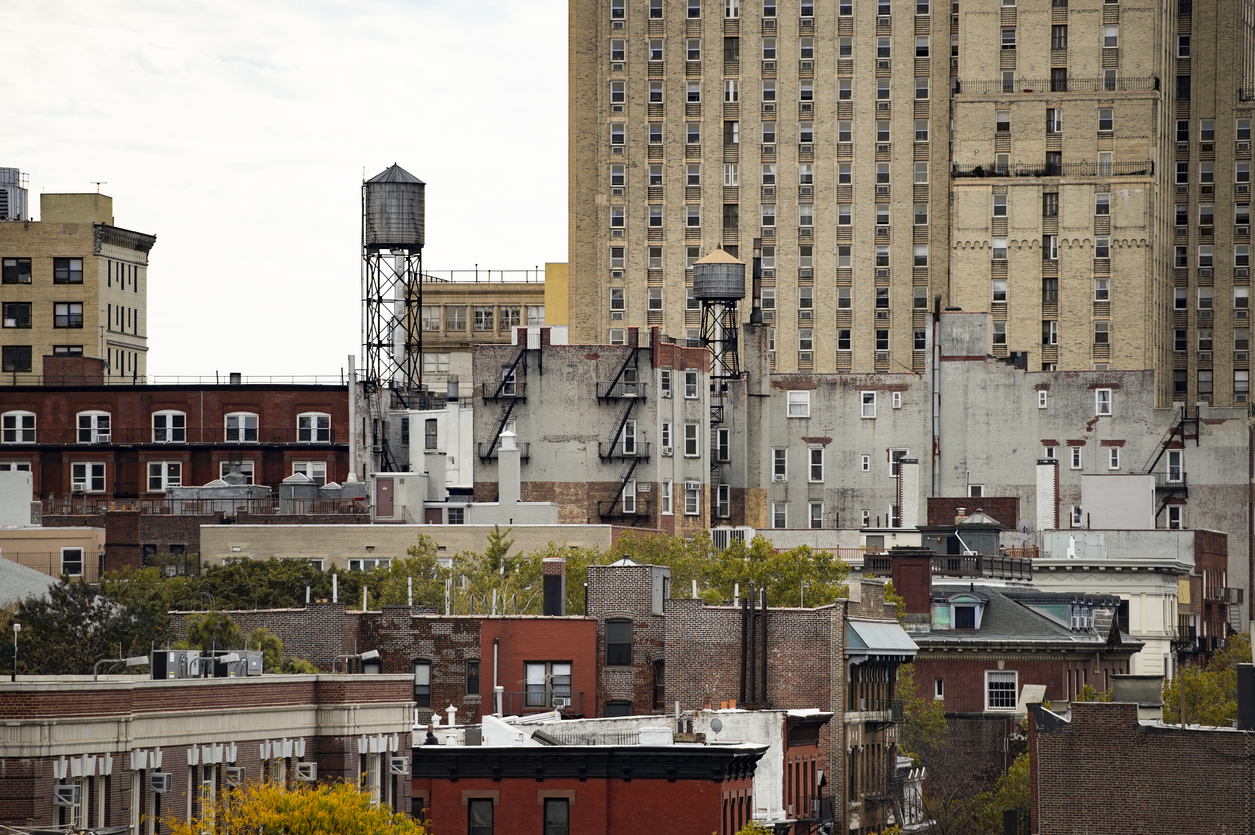
The Lower East Side: Only the Faces Have Changed
About These Stories
YC runs intensive nonfiction writing programs for teens in New York City, where they’re mentored by a professional editor to write personal stories about their lives and about issues that affect young people. Their stories are then published and read by thousands of teens, educators, policymakers, and other adults who work with and for young people.