
Many people get to CUNY unprepared for college-level work either because their high school education wasn’t adequate or because they fooled around and didn’t take school seriously.
Also, circumstances like needing to work a lot or having to care for children or siblings may hinder a person’s intellectual growth.
Besides, some CUNY students have been out of school for a long time, so they may have forgotten some of what they learned in high school.
From experience at my own high school and from talking to others, I think that some high schools do prepare students for college life.
Some of my classes were a real challenge, which required a lot of hard work to pass. But even my school could have done more.
High Schools Could Be Harder
And other high schools may not be as good as mine. Lashette, 15, said her school is not preparing her for college.
“They let you pass by just being there,” Lashette said. “A lot of people have high averages and they know nothing. In some schools you have to actually do work, but in other schools, if you just show up you get a good grade.”
I think most schools could be a bit more challenging. For example, I always felt as if the honors English class given in my school was a joke.
The most I ever remember reading in those classes was about three books, and sure they were thick, but that’s no challenge.
Then came my senior year when I was admitted into AP English (a course that gives you college credits). I dropped out the third day of class because I didn’t feel like working for my “A” when I was always used to being handed one. Even I got infected by sloth.
Unprepared for College
Now I’m starting to worry about how well I’ll apply myself in college. The transition from high school to college is going to be tough.
It’s not just the schools that could work harder, though. Often, it’s the students who walk into school without the will or the determination to learn.
They stroll into class late, disrupting the rest of the students and the teacher as they discuss their feelings about the basketball game last night.
When the teachers reprimand them (as they have a right to), the students automatically believe the teacher is picking on them. And God forbid the teacher asks to see the homeworkâ
I don’t think high schools should tolerate such behavior. When a student is not doing the work, the teacher should be required to fail that person.
When a kid is messing up, schools should also work to get close and personal with the parents.
Parents Need To Help, Too
Sometimes when the parents show an interest in how their child is performing in school, the student is motivated to do better, either because she wants to please her parents or because she wants to avoid getting punished right before spring break.
Schools need to reach out to parents and teach them how to help their kids do well in school. And parents need to respond.
Both the students and the high schools need to improve in numerous ways to make it possible for us to work at a college level.
Raise CUNY Standards After Regents
Soon, all high school students will be required to pass five regents to get a diploma. That is one step that has been taken to raise the standards of high schools.
But I think CUNY should wait until high schools raise their standards before they raise the standard for acceptance to the senior colleges. Otherwise, students who go to poor schools will be punished.
If the new regents policy actually improves students’ education, then all high school graduates will be better prepared to pass the placement exam at CUNY’s four-year schools. But for now, I think things should remain as they are.
I understand why they want to raise the standards, but they shouldn’t do it at the expense of students who really do want to learn.
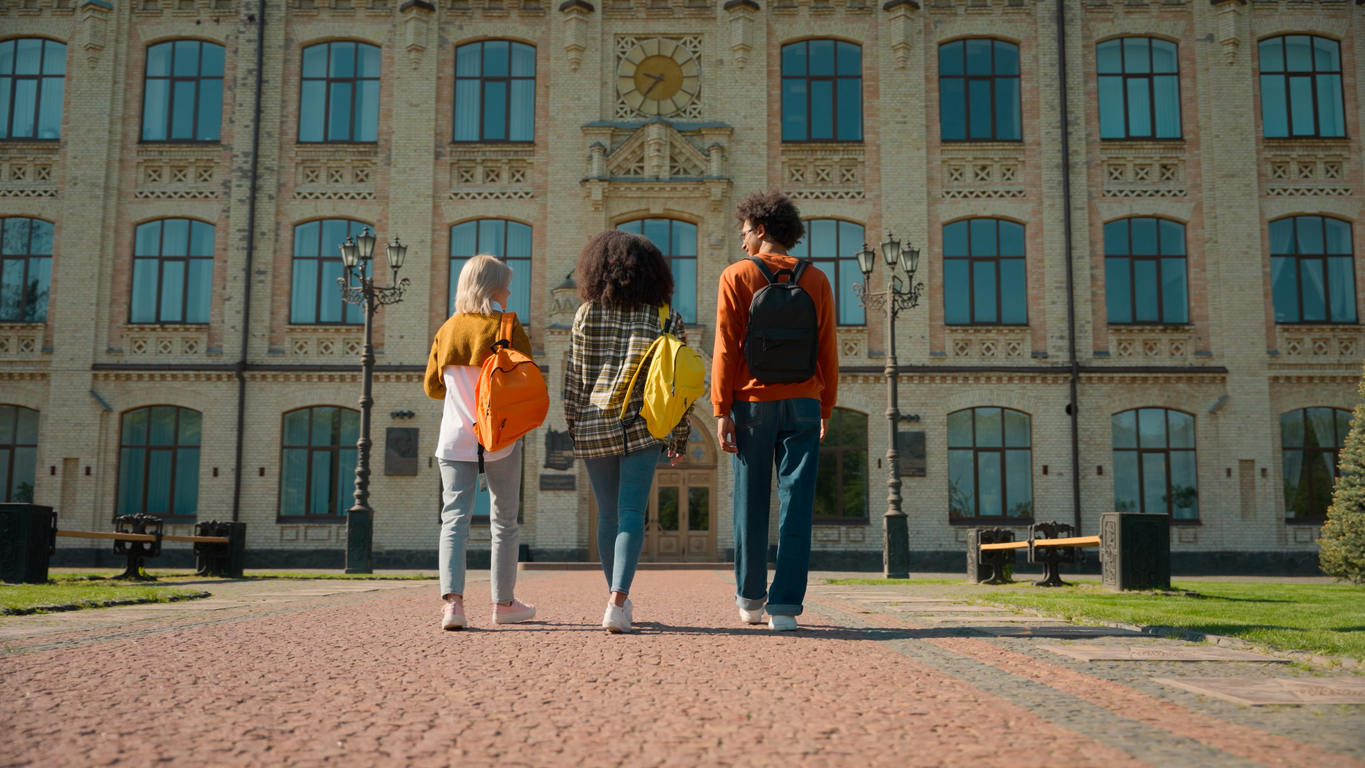
Why Do the Majority of CUNY Freshman Fail the Assessment Test?
About These Stories
YC runs intensive nonfiction writing programs for teens in New York City, where they’re mentored by a professional editor to write personal stories about their lives and about issues that affect young people. Their stories are then published and read by thousands of teens, educators, policymakers, and other adults who work with and for young people.