
Growing up in China, I often felt sad when I saw Father sitting home alone. I wanted to talk to him. But I didn’t, because even though we were living in the same house, my father was a stranger to me. I feared him. And I didn’t know if he loved me.
Father was strong and dark skinned because he worked under the sun. He harvested crops, watered fields and cut weeds. He hardly smiled.
When I saw Father, I always said “Baba,” which means “Father.” That’s considered respectful and polite in my culture. He nodded and then I went away as quickly as I could.
Strict and Old-Fashioned
I thought he was too strict and old-fashioned. Sometimes, when I was excited and talked loudly, he told me to lower my voice because he thought good girls were supposed to talk quietly. And I had to go to bed by 9 every night, even after I turned 12.
Father was quiet and usually didn’t try to talk to me, except to say, “How’s school?”
“Good,” I’d reply.
I always gave him short answers because I didn’t feel comfortable talking to him. “You have to study hard so you can have a good future,” he continued once. “Look at your cousins. They all have good grades in school. Everybody in the village knows that and praises them. Don’t be the stupid one in the family.”
Pushed Myself to Please Him
I hated when Father compared me to my cousins, because he made me feel like I was a product at the market. Still, I pushed myself to get good grades in school because I thought if I could please him, he’d care for me more.
I sometimes wondered if Father loved me less because I was a girl. In China, many people prefer boys. Since I was little, I’d heard people in my village gossiping about how my father wanted a boy. He’d ended up with me and my two younger sisters, Bik Bik and Pui Pui.
Thankfully, my mother made me feel like she cared for me a lot. She cooked dishes that she knew I liked and asked me questions about how I felt, which Father never did. I talked to her about my friends and dreams. I never told Mom how I felt toward Father, but I think she knew.
As I got older, I still wasn’t sure where my fear of Father came from. Was it from the seriousness of his face? Or the lack of communication between us? Or my uncertainty about his love for me? This fear followed me like a shadow until I was 14.
On that unforgettable morning, Father asked me to go to market with him. I’d had a stomachache for a few days, but I didn’t want to disappoint him. So I went.
Vendors from different villages came to ours to sell everything from pork to bamboo baskets. The streets were so crowded that we moved forward like turtles.
Fighting Stomach Pain
We stopped in front of a skinny woman selling fruit. As Father asked her the price of her apples, I felt my stomach hurt. I put my hands on my stomach and squeezed hard, trying to stop the pain because I didn’t want to worry Father.
Father paid for the apples, put them in his basket and walked forward. I walked slowly behind him, fighting with the pain. I felt like thousands of wriggling worms were eating the inside of my stomach. I fell far behind as the pain grew bigger and bigger. But my father didn’t turn around.
“Baba! Baba, wait! Wait for me!” I shouted. But my words were swallowed by the noise.
‘Doctor, Please Help!’
I sat down on the street. Sweat streamed down my face. Tears started to fill my eyes. Father appeared in front of me, angry.
“What are you doing here?” he said. But the anger in his eyes changed immediately into worry when he saw my face.
“Are you OK?” he asked.
“My stomach hurts,” I said. I started to cry.
“I’ll get you to the hospital,” he said.
‘Hold Tight’
Father threw the basket away and held my arms around his neck. “Hold tight,” he said and started running. He kept yelling, “Excuse me! Excuse me!” trying to get through the crowd. Sweat from his face dropped on my hands as if it was rain, followed by his urgent breaths.
It usually took us 30 minutes to get to the hospital. We made it in 15.
“Doctor, doctor, please help my daughter,” Father yelled as he grabbed the shirt of the first doctor he saw. The doctor asked him what happened, then gave me a shot as Father held my hands and whispered into my ear, “You’re going to be fine.” Then I fell asleep.
I Realized He Cared
It turned out I had a worm in my intestine, causing the terrible pain. The doctor gave me a few more shots to kill the worm. I had to stay in the hospital for one night.
Father was afraid that the worm was still alive. He asked the doctor how to handle it in case my stomach hurt again and kept shaking the doctor’s hand, saying, “Thank you, doctor. Thank you so much.”
I was shocked by his behavior. I didn’t realize how much he cared for me.
When I got home from the hospital, Father wanted me to stay home from school and rest for a few days.
“I will have a test soon,” I said.
“Don’t worry. You’ll be fine,” Father said.
“Don’t worry? Don’t worry? You’d better not say anything if I fail the test,” I said.
Noodles Showed His Love
I refused to talk to him when he asked me how I felt and pretended I was asleep when he came to my room at dinnertime. Father didn’t say anything. He just left the room quietly.
After he left, I saw my favorite noodles were in a big bowl on the desk. White steam spiraled up gently from the bowl. I knew it was Father who cooked them because only he cooked such tasty noodles.
Suddenly, a warm feeling filled my heart. Looking at the noodles, my mind focused on how Father must’ve gotten up late at night and cooked them under the dim light in the kitchen. I felt embraced by his love.
Father Started to Share
Since that time, our relationship’s slowly changed. During the first few months after my illness, I began to talk to Father more because I wanted to understand him. I knew now that he loved me, so I felt more comfortable reaching out to him, which made him open up.
Father was still generally quiet, but sometimes told me stories from his past, like when he thought he was grabbing a fish from a river and discovered it was a snake. My heart ached when I heard how he was beaten up during China’s Cultural Revolution, a period of government repression.
As Father shared more, I felt comfortable telling him about my friends and school. We came to America when I was 15, and since then, we’ve become closer.
Wants Me to Have Better Life
Sometimes he still compares me to my cousins, but not as much as before. I know he doesn’t mean to hurt me. I tell myself that he uses my cousins as examples to encourage me to study hard.
Once, when I was 16, Father told me, “I know you think I’m too strict, but I push you hard because I want you to have a better life. The better education you have, the better chance you’ll have a good job in the future. I am doing this not for myself, but for you.” I began to realize that Father was strict because he cared about me so much.
Mom’s happy that our relationship has changed as well. “Now I wouldn’t be surprised to see you and your father sit down and talk for an hour,” she’s said.
Serious Face, Loving Heart
Just before we came to America, my parents had a baby boy, Hong. Father treats Hong the way he treated me and my sisters when we were little. So I realized that Father didn’t treat me differently because I was a girl.
Now I know that the seriousness of his face masks a heart filled with love for me. I often fondly remember how Father took care of me when I was sick because that’s the first time I was able to see his love.
Still, I’ve never told him how I once feared him greatly or how I feel about him now. I don’t know why, because I really want to tell him, “Baba, I love you.”
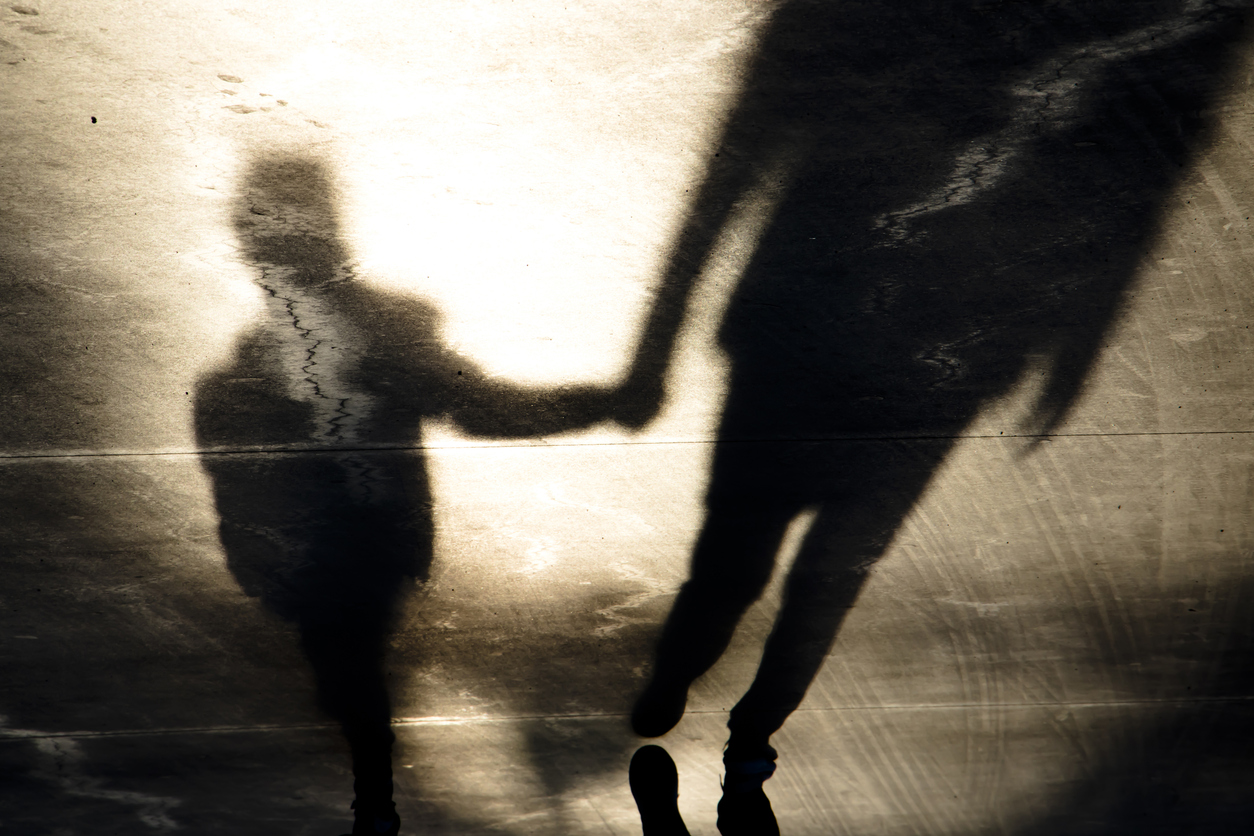
Understanding Father’s Love
About These Stories
YC runs intensive nonfiction writing programs for teens in New York City, where they’re mentored by a professional editor to write personal stories about their lives and about issues that affect young people. Their stories are then published and read by thousands of teens, educators, policymakers, and other adults who work with and for young people.