
Why do many people think therapy is for “psychos” or “nutcases”?
Therapy has helped all kinds of people-including me!-with their problems. In my case, therapy helped me to see patterns I had that were not helping me be happy, so I could change them.
I’ve found that therapy helps me live my every day life and put up with people who are mean, annoying or just down-right stupid. It helps to have someone show me how to cope with problems so I can choose my own fate.
There are some situations, though, when you really should see a therapist, such as when you’re dealing with life-threatening issues.
Here are some instances in which you should seek the help of a mental health professional, even if you don’t feel like it:
¥ When you are thinking about killing or hurting yourself or someone else.
¥ If you worry all the time about your weight, have problems with anorexia or bulimia, or can’t stop eating.
¥ When you cannot stop drinking or taking drugs, or when your drug and alcohol use is messing up the rest of your life.
¥ When you act in dangerous ways or find yourself on either side of an abusive relationship.
¥ If you are like a walking time bomb, and find yourself flipping out and angry or sad most of the time.
¥ When you dwell on traumatic experiences or your bad childhood and can’t get these thoughts out of your mind.
¥ When you feel so overworked, depressed or overstressed you can’t do the things you need to, like go to school, complete your homework, do your chores, or see your friends.
¥ When you have nightmares or thoughts that don’t let you sleep.
¥ If you hear voices and see things that other people don’t hear or see.
So many people are trapped in lives of misery and pain. Not one of us should have to live that way!
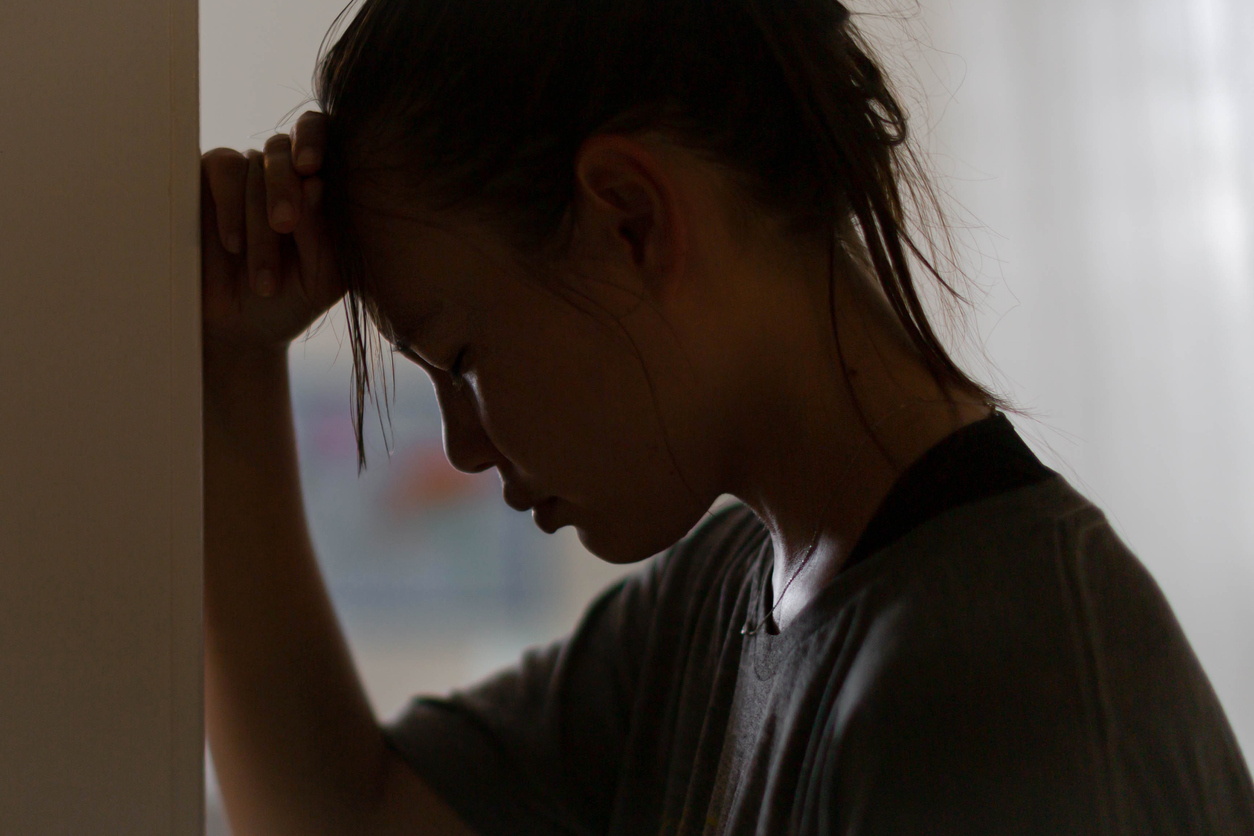
Psych! When to Seek Out Therapy
About These Stories
YC runs intensive nonfiction writing programs for teens in New York City, where they’re mentored by a professional editor to write personal stories about their lives and about issues that affect young people. Their stories are then published and read by thousands of teens, educators, policymakers, and other adults who work with and for young people.