
Our Lives in Their Hands: Foster Parents
After the trauma of entering foster care, I feel lucky to have landed in a good foster home with someone who seems to genuinely care for and appreciate me. My foster mother cooks for me, shows me love, and supports me. She tells me she’s proud of me and is thankful to have met me. When I went away for a weekend visit with my sister, my foster mother called me daily to make sure that I was OK and simply to say that she missed me.
Of course, not everything is all airy and dandy in my foster home, as much as I would like it to be. There are times when my foster mother has been manipulative, when the house is dirty, and when she and I get into bitter arguments. But that happens with birth parents too.
Still, I appreciate the experience I have with her because it has allowed me to grow tremendously. I often think, “Foster care is not as bad as people make it out to be.” But I also know that not everyone’s experience has been as positive as mine.
Whether we realize it or not, we look to foster parents for the things that we lack from our friends and family. Foster parents have great potential to empower us if they treat us with care and respect, but they can also really damage us if they don’t provide the kind of care we need. Most of us enter foster care having already experienced a lot of trauma. So to have a stranger treat us as less than family or like we’re only a paycheck can hit the most sensitive parts of our emotional selves and cause long-term damage.
In this issue of Represent, we’re featuring stories about our relationships with foster parents. The foster home is really the foundation of foster care, and great care should be taken to make sure the right people are chosen to be foster parents. That’s why we’re including information about the way foster parents are selected and trained.
Writers discuss their experiences with good and bad foster parents. One describes how her foster family helped her recover from an abusive past and was there for her when her siblings moved away. But others wonder whether they’ll ever be treated as family. What we’ve learned is that even if you’re not in a good foster home, you need to remember that you deserve to be respected and cared for-and you need to know how to advocate for that.
Personally, even my problems with my foster parent have helped me because I’ve learned how to speak up when my rights weren’t being respected. It’s also helped me learn how to forgive and love, some of the toughest lessons of my life.
We hope these stories can help you feel more optimistic by showing that there are good foster parents out there, and less lonely knowing that you aren’t the only one going through uncomfortable experiences with foster parents. And most of all, if you’re in a difficult or unfair situation, speak up.
-Imani Brammer
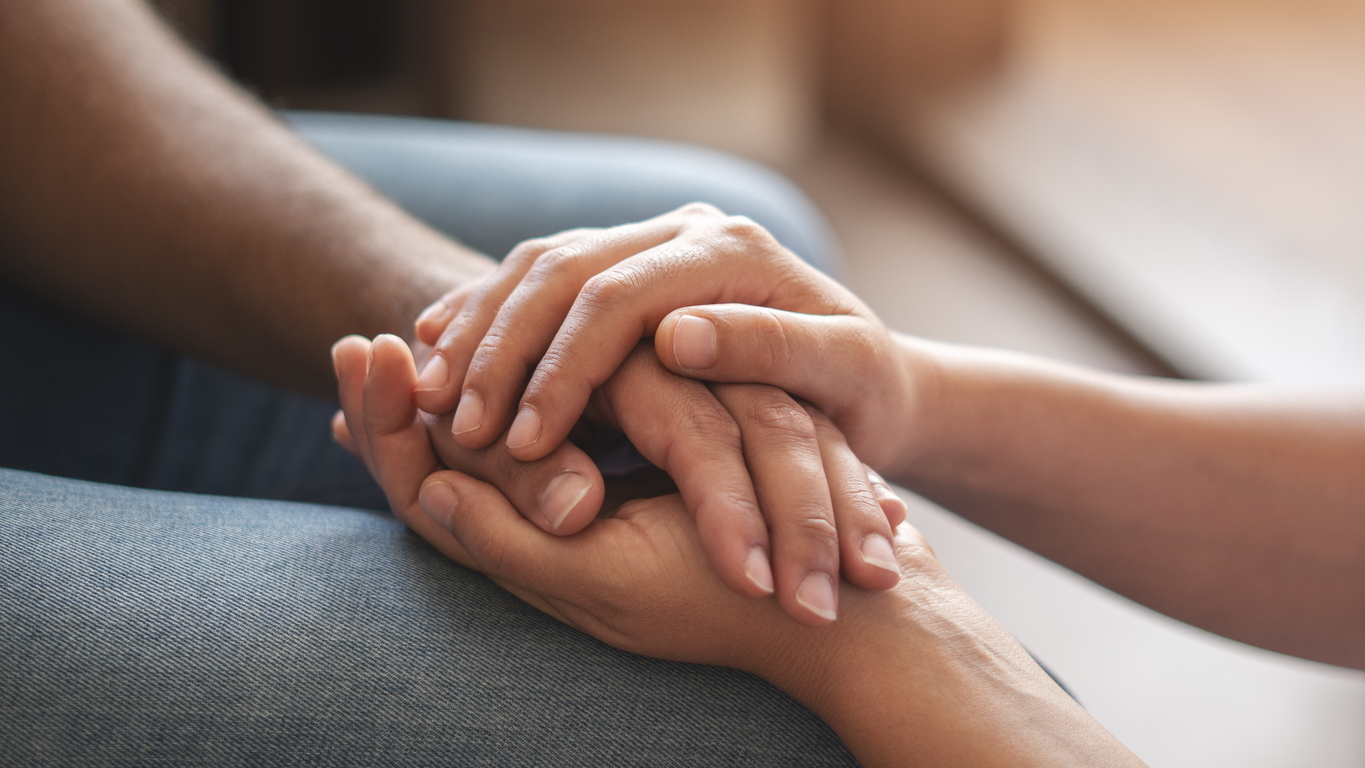
Our Lives in Their Hands
Foster Parents
About These Stories
YC runs intensive nonfiction writing programs for teens in New York City, where they’re mentored by a professional editor to write personal stories about their lives and about issues that affect young people. Their stories are then published and read by thousands of teens, educators, policymakers, and other adults who work with and for young people.