
Celinda is sitting in the kitchen watching her father shake her mother violently. Like always, she is afraid to interfere. Instead, she just eats her dinner.
“I always looked down and tried to be as quiet as I could. I just waited for it to finish,” said Celinda, 17.
Celinda (names in this story have been changed) witnessed plenty of abuse growing up. She saw her father get drunk and chase her mother around the apartment.
One time when her mother tried to run into the bedroom and lock the door, her father pushed it in.
Most days, when Celinda went home, she had to face her father screaming, punching and shaking her mother.
Numb to the Pain
Celinda hated her father for abusing her mother.
But at the same time, because Celinda grew up seeing the violence every day, she became somewhat numb to those pictures.
“My mind got used to it,” Celinda said.
And later on, when she met Mike, 18, she found herself in an abusive relationship, as well.
Sometimes when Celinda looked at Mike, he reminded her of her father.
“I was scared of him because sometimes I saw the same light in his eyes as in dad’s,” said Celinda.
But even though Celinda didn’t want an abusive relationship, she accepted it.
“I was used to this kind of love,” she said.
They Shared Their Problems
When Celinda first met Mike two years ago, he seemed nice and attentive.
“It was the first time I felt someone cared about me,” Celinda said.
Celinda felt close to Mike because Mike also had a hard home life; both of them had siblings who had run away.
Celinda didn’t have to explain to Mike why he couldn’t go to her apartment.
“He just seemed to have a sense for it,” Celinda said.
Black and Bluse Memories
But soon Mike changed. He lost his temper very quickly and took his anger out on Celinda. He was jealous, and he distrusted her.
When Celinda and Mike went somewhere, he wanted to have all of Celinda’s attention. If Mike saw her talking happily to their friends, he reminded Celinda with a big hard hug that she belonged to him.
“He hugged me so strong that I felt it in my bones,” said Celinda.
Their friends didn’t seem to notice this and although Celinda was in pain, she didn’t show it.
Later on, Mike’s fingerprints on Celinda’s arms were the only memories.
The Violence Continued
Once, while Celinda waited for Mike to call, her father came home drunk and the fights started between her parents. So Celinda left home and hung out all night with her friends.
The next day, when she met Mike, he seemed mad.
“He didn’t say a word to me while we walked in the park,” Celinda recalled.
“Then suddenly,” Celinda said, “he grabbed my wrist and twisted it… and I fell on my knee.” Celinda started to cry.
And after that, there was more violence.
She Threatened To Leave Him, But She Stayed
One time Mike locked Celinda up in his bathroom because he wanted to have sex but she didn’t.
“The son of a b-tch locked me up for an hour and 20 minutes,” said Celinda.
She threatened Mike that she would break up with him if he didn’t let her out. But when she was finally free, she kept going out with him.
After the conflicts, Mike was again “sensitive, gentle and lovely,” and Celinda forgave him.
“I know this sounds weird, but after our conflicts, I was happy,” she said. Mike spoiled her and surprised her with presents.
Celinda learned “forgiveness” from her mom. Any time her husband would hit her, she always told Celinda “to forgive him, because it wasn’t his fault.”
“I wasn’t angry at Mike. He just couldn’t work off his anger,” Celinda said. She excused Mike for all his insults.
It Only Gets Worse
But forgiving your abusive partner or trying to understand won’t make the violence stop.
Once violence starts, it usually just gets worse. One kind of abuse leads to another.
At the beginning, your partner may tell you what to wear, or he may try to separate you from your friends, but later it could get worse.
The little play fights won’t end in laughter anymore. They will end with slaps, punches and kicks.
“The longer you stay [in an abusive relationship] the worse it gets,” said Robin Tyler, director of education for the Center of Elimination of Violence in the Family.
Ms. Tyler said that people who come from violent families more easily accept abuse in their romantic relationships.
“For them, it becomes normal,” Ms. Tyler said.
Also, people with low self-esteem are more likely to resign themselves to a violent relationship. They don’t believe that they’ll be able to find another partner.
Abusers Want All the Control
But abusive relationships occur among all types of people.
Abusers can be gay or straight, male or female.
And “more than one in 10 teenagers experience violence in their dating relationships,” according to A Quest for Peace, a teen publication of Victim Services, which provides aid for victims of violence. This means that abuse among teens is almost as common as in adult relationships.
What abusers want is to be able to control their partners, either with words, or when words don’t work, with force.
Still, for most people, it’s hard to get out of violent relationships because they are emotionally attached to their partners.
“When you’re in love, you don’t see anything but what that person’s telling you,” says Shylon Stewart, 15, of Lafayette HS, and a member of Generation Next, an anti-violence peer education program of Victim Services.
And lots of times, people who are being abused are afraid to leave because their partners might come after them and beat them up.
Teens Often Don’t Get Help
Luckily, teens don’t usually live with their boyfriends or girlfriends, so they don’t have to face that abuse in their own homes.
But they can face other difficulties that make breaking up hard.
Often they go to the same school or have the same group of friends. And some teens think that it is embarrassing to talk about the abuse and that it’s cool to be in a relationship.
Also, teens may lie to their families about their relationships, so they are scared to talk about it later or to ask for support.
And abusers want their partners to feel that there’s no one else in the world they can depend on. After a while, the victims may believe it.
You Can Find a Better Guy
Alex (names are changed), 18, believed that Martin, 20, his former boyfriend, was the only one who ever loved him and that he never would find another boyfriend, said Alex’s twin sister, Lisa.
Lisa was concerned for her brother because once, after he had been dating Martin for two months, he told her that he was afraid to say no to Martin’s sexual advances because he thought he’d leave him.
And when Lisa told him that he had a right to say how he felt, he started to cry.
He began to act strange in other ways, too. He borrowed money from her and gave it to Martin. He stopped going to the library to read, and he stopped playing baseball, even though these had always been activities he loved.
After Alex started dating Martin, he’d just wait every afternoon at home for him.
A Wall Of Silence
“We always [used to have] an open relationship,” said Lisa. “Alex used to hang out with my friends and me. He was always giggling and laughing with us.”
But soon, Alex moved out of the bedroom that he had shared with Lisa for 17 years.
“Martin told him not to trust me, because I wanted to separate them,” said Lisa, and they grew more and more distant.
‘No One Deserves To Be Hit’
“Sometimes it can be difficult to leave because you feel like no one else wants you,” said Shylon, “or your boyfriend says, ‘You’re no good without me.’ But that’s not true. There’s always someone out there who’s gonna want you.”
No one has a right to hurt you, physically or emotionally, and there are people out there who do want to help you.
“In love, no one rules no one,” Shylon said. “No one deserves to be hit.”
Hardened By the Hurt
In some ways, Celinda was lucky. She didn’t leave her boyfriend, but eventually, he left her.
Still, in lots of ways, Celinda became hardened by the violence she experienced, and she doesn’t open herself up much to other people.
“I lost my trust. I just can’t trust men. As far as I don’t trust them, they can’t hurt me inside. I’m strong. I have to be, otherwise I wouldn’t be able to survive life,” Celinda said.
“Maybe once I will get over the pain and I’ll find a man who will truly love me,” she said.
If you’re in an abusive relationship, try to find someone you can trust to talk to.
You can also call:
o New York City Youth Line at 1-800-246-4646.
o The Domestic Violence Hotline at 1-800-621-HOPE.
o NYC Gay & Lesbian Anti-Violence Project at 212-807-0197.
o The Center for the Elimination of Violence in the Family has counseling and free support groups for teens: 718-254-9134.
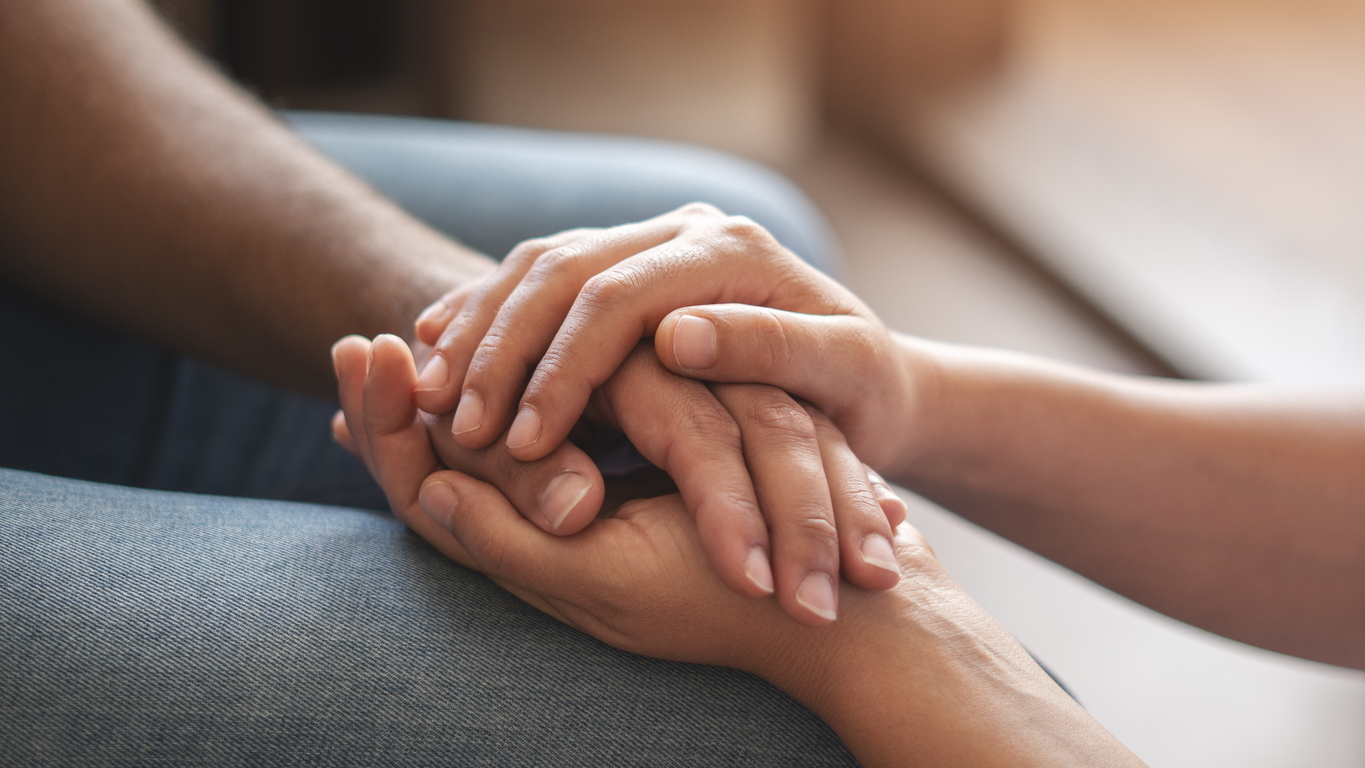
Numb to the Pain
About These Stories
YC runs intensive nonfiction writing programs for teens in New York City, where they’re mentored by a professional editor to write personal stories about their lives and about issues that affect young people. Their stories are then published and read by thousands of teens, educators, policymakers, and other adults who work with and for young people.