
During a summer editorial meeting at Represent, I found out that, like me, many of the other Represent writers keep their distance when it comes to friendship. Foster kids have often been hurt before and so we get nervous when we think about exposing our emotions. We think: If you don’t want to get stabbed in the back, don’t give anyone a knife.
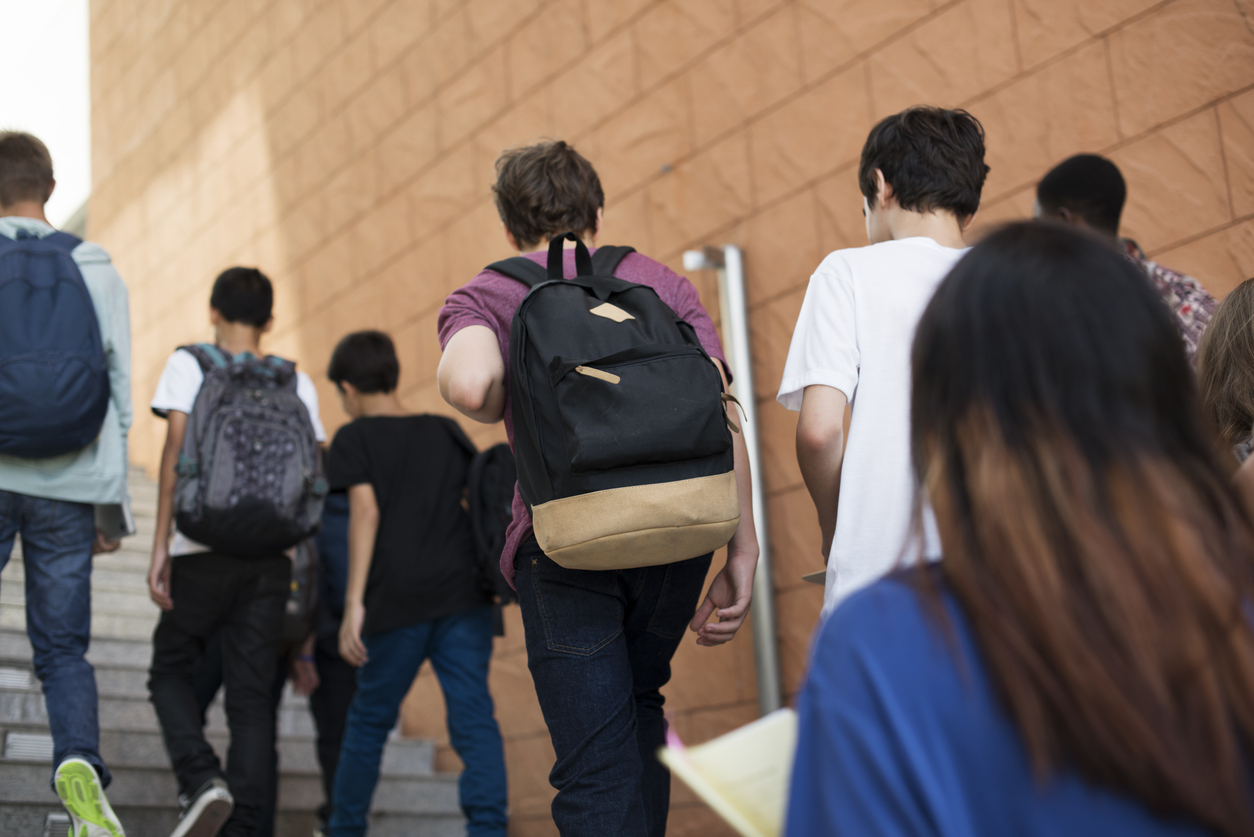
Most youth in the workshop said they have a lot more associates than actual friends. Associates are people you don’t trust. You just say, “Hello, how are you doing? OK, take it easy, bye!” No trust, no relationship, conversation 10-15 minutes tops and keep it moving.
So I was surprised to learn that for this issue many of my peers wrote positive stories about friendship. I think it’s because in the end, even those of us who have the toughest time trusting people do want to have friends in our life. And most of us have had at least one person who really made a difference.
One of the few guys I really considered a friend was James. James and I both grew up without fathers. We both wanted to be successful and had plans to get our mothers out of the hood. Both our moms suffered from drug addiction. His pops left him when he was 8 and mine left when I was 9. We had a lot of casual conversations, but we also had deep ones. He told me there were times he wanted to quit helping his moms and just be a kid and have fun. That was something I identified with because I never had much of a childhood either. Like him, I felt I had to make money to help the people around me.
This Election Day, James’ sister called me to tell me he died. She said somebody stabbed him in the neck and then, four days later, he died in the hospital. I don’t know if he was robbed (James always rocked the jewelry), got in a fight, or what, but a sadness shadows my thoughts and emotions now. I’ve realized that even when friends don’t stab you in the back, they can get stabbed, disappear, or just die.
Some people might take that to mean that friendship can only bring you pain, but maybe it can mean that you need a lot of friends as a sort of insurance policy in case you lose one. After talking to Mary Stephenson, a therapist who works with foster and adopted youth in Kansas City, I realized that we don’t have to wait for friendship to “happen” to us. We can be strategic about choosing whom to be friends with. By taking friendship in small steps, we can minimize the risk of being hurt or disappointed.
We have a day coming up to celebrate romantic love-Valentine’s Day-but we almost never take time out to think about how friends can make a difference in our lives, how they can teach us things and give us a closeness we sometimes can’t get with family. So in this issue, we celebrate the friends who help us when we feel down, isolated, lonely and frustrated: the friends we have, the friends we have lost and the friends we have yet to make. And James-rest in peace.
Not Just Associates
About These Stories
YC runs intensive nonfiction writing programs for teens in New York City, where they’re mentored by a professional editor to write personal stories about their lives and about issues that affect young people. Their stories are then published and read by thousands of teens, educators, policymakers, and other adults who work with and for young people.