
“How come Grandma’s last name ain’t on dad’s papers?” I asked my mom one day when I was 8 or 9 years old. It had intrigued me to see that her last name never showed up anywhere in my family record, like my dad’s birth certificate or his immigration papers.
“All I see is Diallo, but her name is Adepo!” I exclaimed.
My mom answered, smiling, “Well, it is because she isn’t his real mother.”
I was completely shocked. I had known my grandmother since birth. It had never occurred to me that the woman I called “Grandma” might not actually be blood related. In fact, I always thought my dad looked like her; they both had darker skin than anyone else in the family.
My Pop’s Misery
Seeing my shock, my mom explained the whole story. This is what she told me:
The woman I’d known as Grandma was a literature teacher who met my father when he took her class in his first year of college at the University of Abidjan (which is in Ivory Coast, Africa, where I grew up). She noticed that he was an intelligent student but only received mediocre grades, so she tried to find out why he wasn’t doing better in school. She eventually discovered the misery of my pop’s life.
My father’s parents died of natural causes when he was 18. His two younger siblings, who were 13 and 10 years old at the time, moved in with their uncle, but my dad remained alone, without financial help or moral support.
He lived in a studio with his friends, a very small and noisy place that was right next to a bar. In Africa, bars play very loud music throughout the night, so my dad couldn’t ever sleep or study. He couldn’t even eat properly because he didn’t have enough money for food. In addition to attending school, he worked to help support his siblings. It was a complete nightmare.
Redefining Family
After learning all this, my grandmother invited my dad to live with her family. My father fiercely refused at first, but eventually she persuaded him that he would be better off with her.
He later moved in and lived with her family for several years. He wasn’t the only kid she was taking care of; she had four of her own kids, as well as cousins, nephews, and other people that she fostered.
Even though she had her own family to take care of, it never stopped her from loving everyone she could. She provided my dad with everything from food to furniture and treated him as her own child. She was his mother.
When I first got the whole story from my mother, it was hard for me to understand why Grandma would be so good to somebody not related to her. It also felt strange to know that “Grandma” wasn’t really related to me. It was as if there was a new barrier between us; I became less emotionally open to her and was a little distant for a while.
Admirable Generosity
But as I grew up, my view of things changed. My curiosity and surprise became admiration. I admired the attention she gave to every kid she cared for, and noticed how she treated them no differently than her own children. I came to believe that it is good to look out for your own family, but it is even more admirable to care for someone else’s.
My grandmother’s generosity completely changed my dad’s life. Without her, he might have dropped out of school and surely would’ve had a lamentable life. She did a lot for him through the years. In fact, she was the one who suggested he marry my mother.
My mother used to be in the same study group as my dad during college. One day, she came to his house to pick up some books. That’s when she met my grandmother. They had a little talk and immediately liked each other. When she left, my grandmother came up to my pops.
“Is that your girlfriend?” she asked.
“Nope, I don’t even know her that well,” my father answered.
Giggling, my grandmother replied, “Well, you should! She seems nice; I even think you should marry her. She’s the one I want!”
“What the hell?” my father exclaimed, surprised.
They both joked about it, but two years later my parents did get married, and a year after that, they conceived me. My grandmother never took credit for the union-or my existence-but my father always kidded her about it. I remember him telling my mom jokingly, “I never wanted to marry you; she forced me!”
The Perfect Grandma
My grandmother played a big role in my life, too. I used to visit her every other weekend and on most of my school vacations. Whenever I had bad grades or emotional problems, she was always there for me, reassuring me and giving me advice. I even used to go to Christian church with her, even though my dad, a fervent Muslim, never allowed me to go to church with anyone else.
She was family to me, the perfect grandma.
The last time I saw her was in November 2006. Normally she was healthy-looking and filled with laughter and tenderness. But that November day, she was pale and had lost a lot of weight. Strangely, she still had her usual caring and welcoming attitude.
Seeing her so ill worried me, and she spent most of the visit reassuring me that she was getting better, which she obviously was not. She died three months later from a liver disease.
Her death really affected me. I felt like something important was now missing inside and around me, something good and pleasant.
The Lessons of Her Life
I still miss her, but I carry with me the lessons of her life. My grandmother taught me that family is more than the people we are born with; we can be a family without being blood related. It’s about shared love and affection. She taught me how to appreciate others without worrying about our differences.
I wish my grandmother were still alive so she could see what I will become. I want to introduce her to my sons, like my dad did with me, and have her live with me and my family. I want to give back all the attention, love, and tenderness that she showed to my family and me. And I also want to show her how her simple actions created such strong bonds between two different families.
I want to have her with me forever. But people often say good things don’t last long, and I guess it is true because I haven’t met anyone else as good as my grandma.
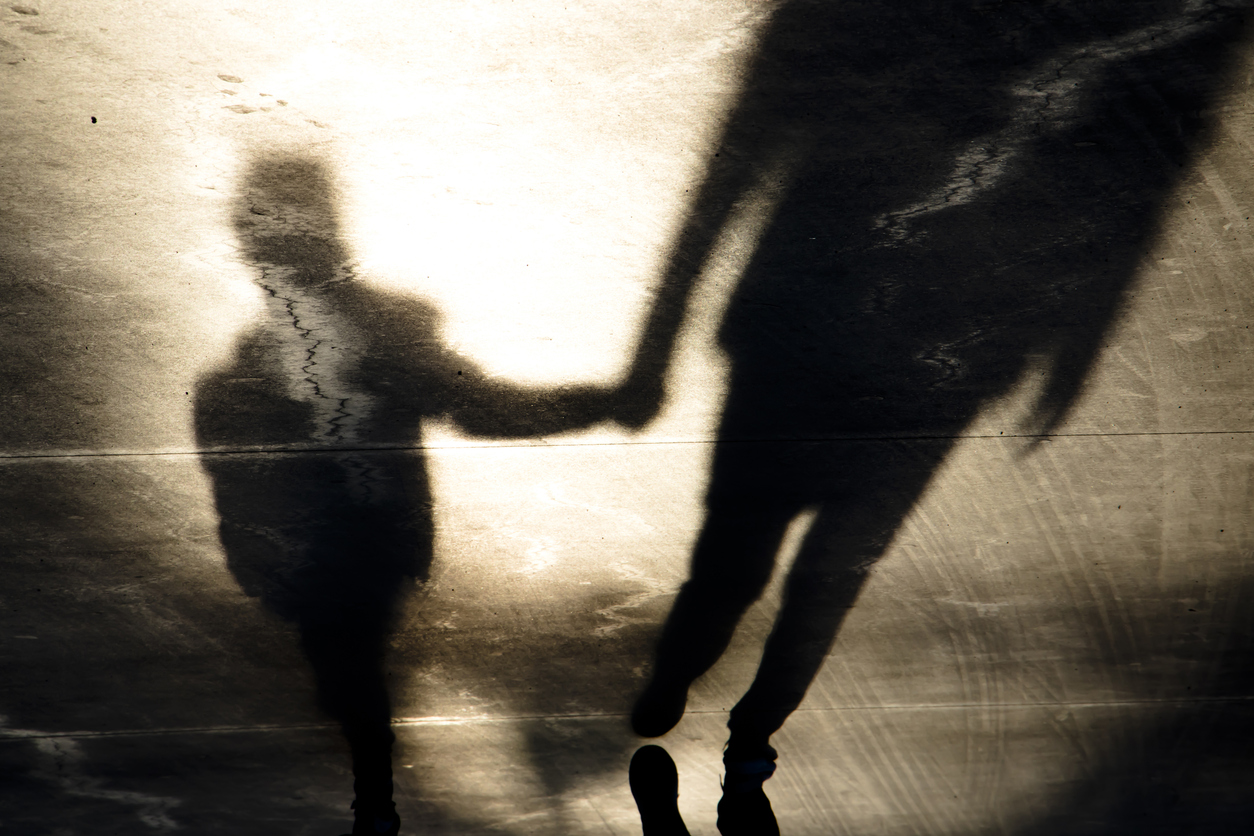
Love is Thicker Than Blood
About These Stories
YC runs intensive nonfiction writing programs for teens in New York City, where they’re mentored by a professional editor to write personal stories about their lives and about issues that affect young people. Their stories are then published and read by thousands of teens, educators, policymakers, and other adults who work with and for young people.