
It’s another holiday dinner with my father and his side of the family. “Eli, you want some carne asada?” Tia Antonila, my father’s sister, asks, taking my plate and serving me steak before I can say no.
“No, no, Tia, that’s OK. I don’t want any,” I say. My brother sucks his teeth; he knows where this is going.
“Porque no?” she asks in her beautiful Spanglish voice.
“Because I’m a vegetarian,” I say with a smile.
“You are?! Don’t tell me you’re still doing that. Domingo, you hear this? Your daughter says she’s a vegetarian. She’s not a little loca is she?”
My father, Domingo Sr., comes in with big trays of great smelling Latin food, like arroz blanco (white rice), arroz amarillo (yellow rice) with oregano, and black and red beans with herbs like cilantro and a little menta (mint) and onions diced in.
“She was reincarnated into a human. She used to be a bird. Can’t you tell?” He laughs, along with the rest of the family. I don’t think that’s funny, especially since the way he says it doesn’t sound like he cares about my feelings.
It’s Not Easy Being a Latina Vegetarian
It’s difficult being a vegetarian in a Latin culture, because most of the food deals with M-E-A-T! If you’re Hispanic, you know what I’m talking about. You have the chuletas (pork chops), bifstek (steaks), salchichas (sausages), pollo al orno (oven-roasted chicken)-the list goes on. I don’t remember a single holiday dinner without some kind of meaty dish.
I’ve been a vegetarian since October of 2000. I don’t eat animals. That means no cow, no chicken, no turkey, no fish, no lobster, no lamb, no crab, no shrimp, no goat.
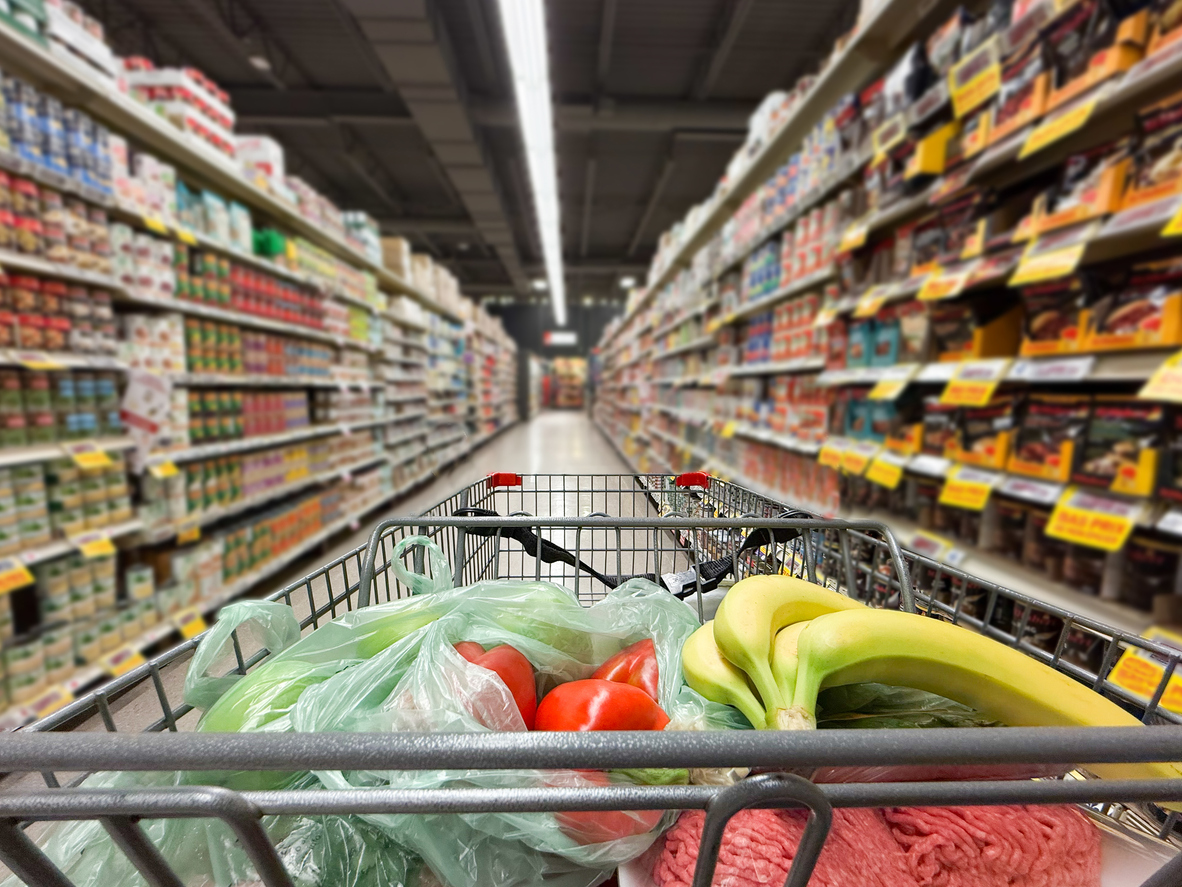
I do eat all kinds of fruits and vegetables-apples, lettuce, bananas, tomatoes, kiwis, celery, mangoes. I eat rice and beans, too, but when I’m not in the mood for that, I’ll sometimes eat a “CLT”-that’s a cheese, lettuce and tomato sandwich.
I’m not fond of eating eggs, but occasionally when my mom cooks them, I eat them. Each time I do, though, I remember the first summer I spent on my family’s farm in the Dominican Republic, when I was 9.
Disturbed by the ‘Wrong’ Egg
One day, I was sent to get one of the turkey’s new eggs, but I took the “wrong” one. When I cracked it open, there it was: a small turkey fetus-looking thing! It was so ugly and nasty looking. I hated to think I killed it, and then that I was just going to throw it away like nothing happened.
That summer, I saw all kinds of animals-lambs, goats, donkeys, pigs and cows-give birth. It grossed me out seeing all the blood and placentas.
But later (after they were cleaned up), they looked so cute. And I became close to the animals. I remember waking up to the coo-coo-roo-coo-coo of the roosters and milking the cow in order to sell her milk. I fed the chickens rice and corn. I hand-fed hay to the donkey and went door-to-door asking neighbors for food scraps to feed the pigs.
Talked With the Animals
I played with the animals. (My aunt said chasing the chickens around isn’t playing with them.) I talked to the animals. (My father said I was really talking to myself since they didn’t talk back.) I even cuddled the animals. (My brother said holding a piglet until it goes to sleep is animal cruelty.)
But I also witnessed animals being killed so we could sell the meat and have big dinners. I saw my uncles tie a rope around the goats’ necks and hang them from a tree in the back yard. Then my uncles tied the goats’ hooves together so they wouldn’t kick and sliced their throats. Blood squirted everywhere.
After a couple of minutes, it smelled horrible and I knew that smell was death. I wanted to vomit. I was angry at my family for killing the animals, but thought it had to be done for the rest of us to live. I didn’t realize that people could live without meat.
When we sat down to a meal after the slaughter, I secretly spit out the meat when the grown-ups weren’t looking. I’d seen all the animals since birth and now some were on my plate and the rest were being “fattened up” for next year, when we might visit again.
Those were my pets. They were more than pets-they were my babies! I even named them! Oh my poor little Negrito, the goat. Sunshine, the skinny cow. Brownie, the other goat. Piglet, the pig. I knew which animal was eaten on what day. It broke my heart every time.
But I didn’t say anything to anyone about it because I didn’t want to go against my family or their authority over me. I still continued to eat meat, but when I thought about where it came from, I felt disgusted.
About six years later, I learned about “mad cow disease” on the news. In England, the disease (bovine spongiform encephalopathy) killed hundreds of livestock. Others who were infected went through the dirty slice-and-dice machines unnoticed, so people got infected too. At that point, I was so turned off to red meat that “burger” wasn’t even in my vocabulary anymore.
I also discovered on the Internet the organization People for the Ethical Treatment of Animals (PETA). The group’s newsletter explained how American farmers inject livestock with hormones to boost production. And the animals are stuffed together in cramped living conditions, some even in tight little cages.
No More Burgers for Me
After I read all that, I was 100% sure I wasn’t going to eat any longer from joints like Wendy’s or Burger King.
First I started cutting off hamburgers and other red meat, then went the chicken. It all happened in a matter of weeks. When my mother cooked, I just said, “No thanks. I don’t want to eat that.”
Soon I took every animal off my menu. After I became a vegetarian, I found out that some of my friends were vegetarians, too. That made it easier for me. In-stead of going to McDonald’s, we’d go to a diner and have salads or parfaits with yogurt and fruit.
But my family wasn’t so supportive. A year after I became a vegetarian, I was teased about my refusal to eat meat at my Tia Antonila’s Christmas dinner. My younger cousins Ashly, Ramond and Thomas chewed their BBQ chicken wings, smacking their lips together, licking their sauce-covered fingers.
“Mmmmmm. Cooooommme and have soooomme. Whoooo. Come to the other siiide.”
“Get out of my face!” I snapped at them.
“Chacha! Don’t be so mean. They’re just playing with you,” Tia Antonila said to me.
“Eli, are you on a diet?” Uncle Thomas asked.
“No!”
“Then eat something, mi’ja.”
“I am.”
“What is this, a leaf?” he said, pointing to the lettuce on my salad bowl. “That’s not food! This is food!” he said, picking up his fork and stabbing the steak, taking a huge bite out of it while all its juices flowed in his mouth. “Mmmmm… You sure you don’t want some?”
“I’m sure.”
‘Chicken Is Not a Vegetable’
I could feel my father waiting for his moment to pounce on me. This was it. “Chicken is not meat!” he roared, standing with a chicken leg in his hand, pointing it at me.
“Oh yeah? Well I didn’t know that chicken was a vegetable!” I shouted.
Everyone laughed, but Papa didn’t think it was funny. “Don’t talk to me like that, OK!”
I lowered my head so I wouldn’t have to look into his eyes. I just stared at my salad, feeling angry at him for not accepting me as I am, a vegetarian. I was sad because I felt alone in a room full of laughing cousins, uncles, aunts and friends.
“Ahy ya! Look now what you did. You made her feel bad, Domingo,” my aunt told my dad while hugging me. My brother just laughed, even though I felt wounded.
I’ve Influenced Mom’s Diet
Since I’m the only vegetarian in the family, they’re not going to change their eating habits just for me.
At least my mom, who I live with, is more open to trying new things now that no one else is there but me to influence her. She used to think I was playing a game with myself to see how long I could go without eating meat.
But for the last few months, I’ve noticed that she hardly ever cooks meat, chicken or fish, and if she does, it’s only a little bit for herself. Cooking is now faster; we don’t have to thaw anything or pre-heat and heat again. Now when the rice, lentils and salad are done, we’re ready to eat.
Dad Thought I Was Crazy
My father, who I don’t live with, has been tougher on my decision. He thought I was crazy when I told him I was a vegetarian. He asked me lots of questions about where I learned it from and why I was doing it. I felt upset because I thought he was judging me, while I wasn’t judging him for being a meat-eater.
He’ll still try to use things like nutrition against me, like asking where I get my protein and calcium from. Doesn’t he know that I read? I get my calcium from broccoli, enriched rice milk, tofu and green leafy vegetables. And I get protein from lentils and other beans, whole-wheat bread, nuts and oatmeal.
But he’s cooled down recently. He still thinks I’m going through a phase, though, like I’m trying to “rebel” against something or someone.
He says, “You just want to test your limits.” He still laughs and pokes fun at me at those famous family holiday dinners. But when it’s just me and him, he tries hard not to bring my eating habits up as much.
They’re Getting Used to It
My family, I think, has come a long way since they first found out I was a vegetarian. I like that now they at least have some consideration for what else can go into the fridge. And I’ve grown less defensive about their jokes, because I understand that we’ve never talked about how and why we feel so strongly about our choices.
My vegetarianism probably came to a surprise to them and they couldn’t handle it. And I shouldn’t have been surprised by their reactions.
No doubt they’re still a bit edgy about how I’ve chosen to live my life, but like a family should, we’re trying to accept each other’s differences in a way where we can laugh at each other while still laughing with each other.
I’ve Got Beef with Meat
About These Stories
YC runs intensive nonfiction writing programs for teens in New York City, where they’re mentored by a professional editor to write personal stories about their lives and about issues that affect young people. Their stories are then published and read by thousands of teens, educators, policymakers, and other adults who work with and for young people.