
I’ve been a heavy tech user most of my life. I first used a computer when I was 10, to play games. My favorite one came on a CD-ROM: you’d race a car against other race cars using the arrow keys. Then, when I was 13, I discovered MySpace, a social networking site where I could listen to my favorite bands. I didn’t use the Internet to connect with my friends or other kids until I was 15 and I came across a site called Sconex, which was like an early version of Facebook for high school students. Soon, I was on that site every day communicating with my friends from school as well as kids from other schools who liked the same music, movies, and TV shows.
I liked making friends with people online because it let me show more of myself than I could in my high school. I was bullied in high school in part because I have cerebral palsy and walk with a slight limp. At 18, I joined Facebook. Ever since, I’ve been posting daily updates about my life, opinions on all sorts of things, and random videos and pictures. I even made a connection with a girl on Facebook that later grew into a real-life relationship. When Facebook bores me, I switch over to YouTube to watch videos.
I own a smartphone that plays music, takes pictures, keeps track of all important dates, lets me play video games and surf the Internetâdid I mention that you can also make phone calls with it? I used to have a Playstation and two laptops, but they were stolen. That’s one downside of technology-people steal it.
It also has other disadvantages. I like being connected online as much as the next guy, but I’d like someone to look me in the face when they’re talking to me instead of staring at their text messages. (Yes, I’m guilty of this too sometimes.) In this section our writers explore issues including cyber-bullying, falling for online fakes, and becoming isolated by spending too much time at their computers. Sure, we push the keys, but does the technology sometimes control us?
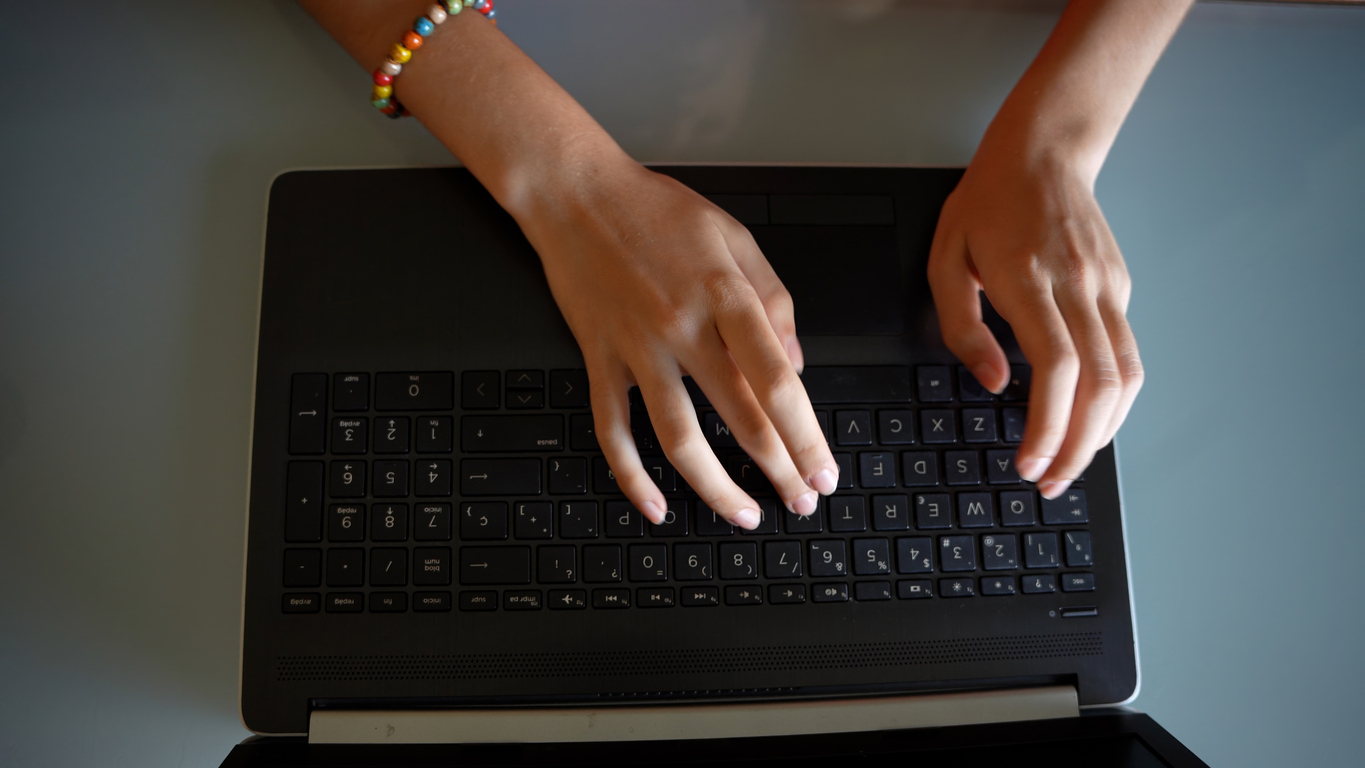
Is the Online Me the Real Me?
About These Stories
YC runs intensive nonfiction writing programs for teens in New York City, where they’re mentored by a professional editor to write personal stories about their lives and about issues that affect young people. Their stories are then published and read by thousands of teens, educators, policymakers, and other adults who work with and for young people.