
Eleven days after my 10th birthday, my sister and I were placed in the system. My mother gave my sister a beating that left scars, which the school labeled abuse. At the time, this was what I knew as normal.
Normal, to me, was a lot of arguing. My mother was always screaming and cursing. She controlled everything we did and was always looking for an argument. Our home was tense.
In my house, nobody was really happy. I always felt that, somehow, something had to change. Other people’s families were not like mine. Other families went out places together. We just stayed in the house and argued.
Other girls had friends around the block, while I knew that if I went anywhere my mom would be worried, or so she said. And when she got worried, I got in trouble.
My sister and I also seemed to have too much responsibility. My sister was only five years older than I was, but my mom forced her to play the role of my parent. My sister dressed me, cooked, helped me with school. We both cleaned the house. We even cleaned the walls. If we didn’t do what my mother wanted, we knew a screaming or a beating was coming to us.
Double Standard
My mother taught us to speak up if we felt that we were being treated unfairly. She would say, “Just because you’re a child doesn’t mean you’re always wrong,” or, “You have a voice.” However, this did not apply when it came to her.
One time my mother was cursing out my sister and me even though we knew that she was angry at something else and was just using us to vent. We said, “Mom, you’re doing it again.” Meaning: “Mom, you’re cursing at us again.”
Her reaction: “I’m grown, I do what I want to do.” If we tried to explain our feelings we got in even more trouble, with the excuse that we were “too loose with the mouth.”
My Sister Gave Up
My sister reacted by convincing herself that there was nothing she could do. I began to fight back. My sister had fallen victim to being the weaker one in the relationship, I was determined to be stronger than that.
But once my sister and I went into foster care, I wanted to go home. I didn’t want to give up on my mother. I felt she needed me.
Even though she seemed out of control, I felt sympathy for her. I knew she loved us but didn’t know how to show it. She tried her hardest to make it to any event that was important to us, like a dance performance or basketball game.
Every once in a while, we had a couple of laughs or watched TV together. And when my mom’s best friend and her daughter came over, we’d go out to the mall. Then my mom was a sweetheart. We would stop in the toy store and pick out clothes and gadgets for our Barbies.
I Wanted to Help My Mom
I thought my mom didn’t intend to hurt us, but did not know any other way to deal with us. She seemed to abuse herself, too. She always seemed unhappy with herself. She’d drink and drive. She’d work longer hours than necessary. She’d isolate herself. I believed I could be the strong one to help my mom change, to give her support.
After six months, I went home, but my sister chose to stay in care. I was angry that my sister would give up on my mother. However, not long after returning home, I wished I hadn’t. My mom was as angry as ever.
I also began to feel that my sister had betrayed me by letting me go home. She did ask, “Are you sure that you’re returning home for the right reason?” But later I felt as if I were blind, and that my sister had let me enter a room full of fire, and I needed her lead me back out.
Three years later, when I was 13, I went back into the system. I had begun to speak my mind more often and my mother and I were constantly bumping heads over nonsense. We started to have weekly sessions with a therapist. But the sessions just made me feel worse.
My mom talked about some painful things that happened to her in her childhood, but she didn’t connect that to how she was treating me. Instead, I felt like she used her past as an excuse.
I didn’t talk. But as I listened, I decided that living with my mother was not something that I could deal with anymore. I felt that my mom was angry about her past, not me, and I didn’t want to be the focus of her anger anymore.
I Wanted Out
Finally the therapist asked me, “If it were up to you, would you choose to live with your mother any longer?” My response was a well thought through “No.” I wanted out.
My mother left the room saying, “I’m not taking her home with me. Y’all can do what y’all want with her.”
All I could think was, “How dare she be angry with me when she has put me through so much?” I was shocked, but also relieved. I could finally escape the stress of trying to parent my mother.
Since I’ve been back in the system, I’ve been expressing all of the anger I kept in for so long. It’s felt good to drop the self-control I needed to keep out of my mom’s way. But it’s also been scary to face how I feel inside.
In the diagnostic center where I first got placed, I met people who were wild. I realized that there was a world outside of my mom’s house and I wanted to explore it. I started smoking, drinking and partying.
A Bottle and a Blunt
The very first time I got high, I began to dance freely, not caring what anyone thought. I did a whole lot of dancing with a bottle in one hand and a blunt in the other. That night, I didn’t want to stop myself. It felt like one of the few times I’d ever let myself lose control.
Late that night, there I was, on my way to the famous Times Square. It was full of drunks and wanderers. I was not at all safe, but who cared? Not me. I was finally free!
For the first time, I felt that I was in control of me. It felt great. Over the next two years, I went AWOL constantly, smoking, drinking and running the streets. But eventually, I started to feel like I was losing myself. I even noticed a little bit of my mother coming out in me.
Instead of dealing with my years of built up anger and isolation, I was releasing my feelings in ways that hurt me and others. I poured out my emotions on other people, and screamed at people who hadn’t hurt me.
Acting Like My Mother
Once I noticed this, it reminded me of how angry I felt that my mother could’ve controlled the way she treated us, but chose not to. I felt ashamed of myself and depressed.
I felt especially upset that I was mistreating my sister. I knew she didn’t want to see me acting like a bum in the streets, and that she was reaching out to me. But I kept myself blind to her attempt to get closer to me. The only relationship I felt I could handle was with the streets.
Then one day my sister said, “Day, I am your big sister and I love you more than you can imagine. I want to help you, so if anything’s bothering you let me know.”
Search for Myself
I couldn’t really respond at the moment, but her statement made me know that she cared about me, and I began to care about myself again, too.
From that day on our relationship began to grow. I started to be more open with her about my feelings, and she was open with me. We eventually realized that growing up with our mom had a similar effect on both of us-we’d been controlled, and we’d reacted to that for so long that neither of us knew our true selves and we both longed to become ourselves.
Social workers kept telling me I was going to end up somewhere that I couldn’t run from. After two years, I landed in an RTC in upstate NY.
When I got here, I had to face that I’ve had no control over myself, and like mother, I’ve treated myself badly. I knew I disliked that in myself as much as I had disliked it in my mother. My way of living needed some changing. I started to take school more seriously and went to counseling. This time it helped.
More in Control
When I reflected on my outbursts, I realized I wanted to be the little girl I used to be-the one who cared about other people’s feelings and cared about herself enough to do right.
I also realized that I couldn’t wait for my mom to change in order to feel happy. So I finally convinced myself that I had to do what I said I wouldn’t: give up on changing my mother. I had to say to myself, “My mom is her own person, she can take care of herself, and I can take care of me.”
Since I’ve figured out what my responsibilities really are, I’m beginning to feel more in control of myself. But I’m afraid that I will never find a “me” that is completely outside of my mother’s control. “Me” will always, in some ways, be a reaction to her. I tried to erase her influence by partying, but that was still just a reaction to her control.
It helps to remember that everyone develops by reacting to the people around them, and that other, more positive people-my sister, her foster mother, my dad-have also played a part in who I am. I don’t have to work so hard to set myself free from everyone’s influences.
Letting In People Who Care
Since I’ve stopped believing that my mom will change and we’ll live happily ever after, I’ve let other people in who care about me. My sister is so good to me. It feels good to know that needing someone to hold on to will not get me hurt anymore. I know my sister will never hurt me.
On weekends I visit my sister’s foster mom, and I will soon move in with her. She encourages me to change, but knows I won’t become a new person over night. She tells me she is willing to be there for me through every step of it. She accepts that I need space to figure myself out.
Maybe Once I’m Grown…
Right now, I don’t think I’ll have a relationship with my mom in the future. However, I do intend to pay her a visit once I have grown and gotten my life together. Once I have made something of myself and am independent, I might have a better chance at building a decent relationship with her.
That’s what my sister has done. My sister is married with a child and working. She has gone through therapy and is happy with herself. Now she’s able to talk to my mom a little bit. Maybe by taking care of myself now, I’ll be able to have a relationship with my mom that will work for me.
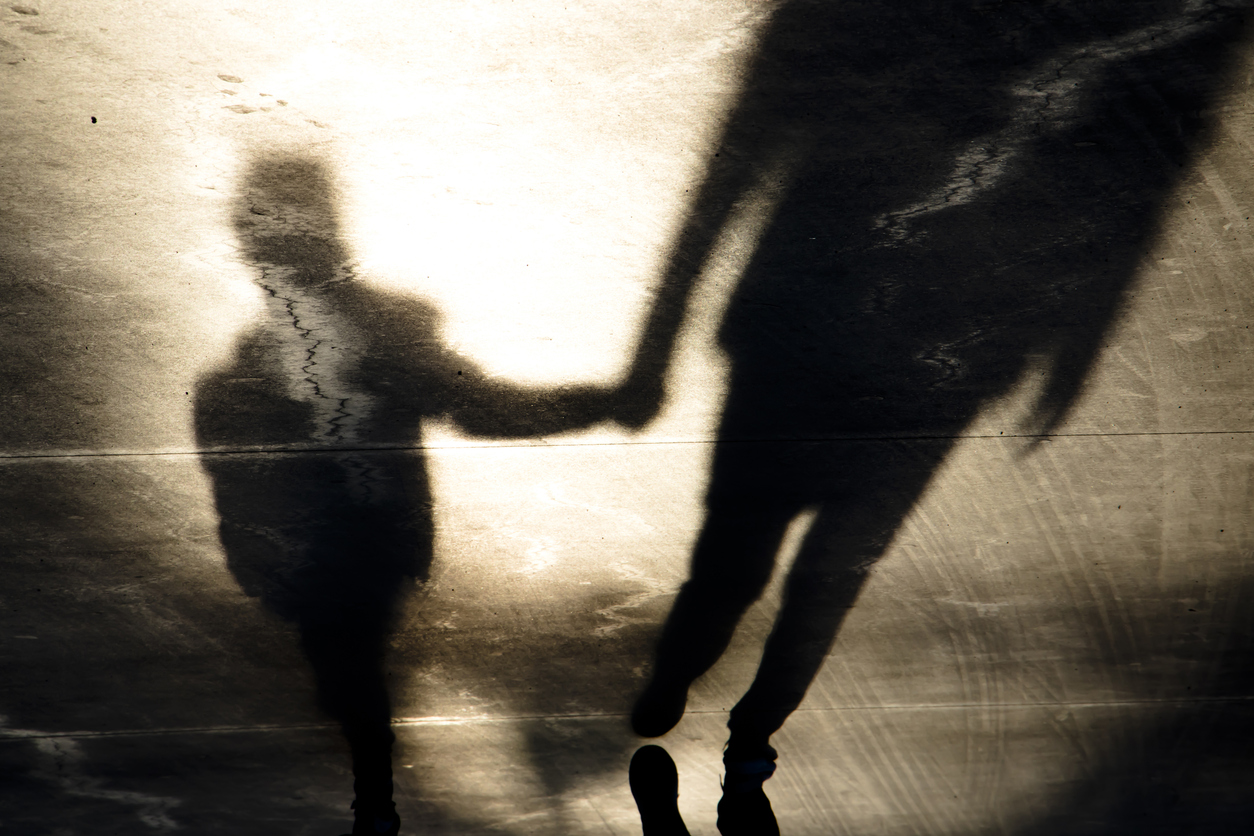
Home Free
I need to take care of myself, not my mother.
About These Stories
YC runs intensive nonfiction writing programs for teens in New York City, where they’re mentored by a professional editor to write personal stories about their lives and about issues that affect young people. Their stories are then published and read by thousands of teens, educators, policymakers, and other adults who work with and for young people.