
For me, being Puerto Rican is a source of pride. We have a beautiful island and a unique culture that is a mix of many others. Our ancestors include the Taino Indians, the original inhabitants of the island; the Spanish, who settled on the island in the 16th century; and the Africans, who were enslaved by the Spaniards and brought to Puerto Rico to work.
You can see each of these three races in our features and skin color. In my family, we have some people who are dark and some who are fair. My aunt looks like an Indian. She has dark skin, long, black, wavy hair, and large, dark eyes. Even though they’re sisters, my mother looks nothing like her. She has curly, brown hair, small, green eyes, and very light skin. Some Puerto Ricans look black, some look white, and some look brown. Not every Puerto Rican has dark hair and eyes. Some have blond or red hair with blue or green eyes.
Many people think that Puerto Rican culture is dying. Because the island is a commonwealth of the United States, our culture has become Americanized. Puerto Rican families that live in the U.S. tend to have an especially American lifestyle.
New Wave Music & Arroz Con Pollo
Though we keep our language, we listen to American radio stations and watch American television shows. My sister and I would rather listen to Rock and New Wave than salsa and merengue. We very rarely watch the Spanish TV stations.
I am not fluent in Spanish, because I speak English at home. The only time I speak Spanish is when I go to my grandparents’ house, or to Puerto Rico. But at home we do eat a lot of Puerto Rican food like arroz con pollo (chicken with rice), pernil (roast pork), and ensalada de bacalao (codfish salad).
Another reason Puerto Ricans are becoming Americanized is that we don’t learn about our culture in school and our parents often don’t teach it to us at home. I’m lucky-my mother has always told me stories about life on the island when she was little. I know a little about my culture and with the help of my mother and father, I’m trying to learn more.
I love my mother’s stories about how holidays are celebrated on the island. During the winter, Puerto Ricans celebrate Christmas (La Navidad) but we also celebrate El Da de los Reyes on January 6. That’s the day that the three kings (also known as the three wise men) finally reached Bethlehem and presented their gifts to baby Jesus.
On this day, Puerto Rican children collect grass and put it in a shoe box under their beds. The grass is for the kings’ camels to eat. The kings then leave presents behind in place of the grass. My mother told me that when she was a little girl, everyone would decorate their homes with lights and musicians would go from house to house playing music and singing to celebrate this day.
Puerto Ricans also celebrate El Da de Todos los Santos, which is like Halloween in the United States. But on the island, instead of dressing up, everyone lights candles and there are processions through the streets. They still have these processions but now most of the people dress up in costumes like we do here.
Visiting the Island
I love to go to Puerto Rico. We have been going every year since I was a baby. It’s peaceful and beautiful. I usually stay in my grandparents’ home, which my grandfather built on a hill by the beach in Dorado, near San Juan. From the balcony you can see practically the whole island on a clear day. It’s a beautiful sight. I feel like I belong there, but I feel a little weird sometimes when adults talk to me, because I don’t speak Spanish very well. My cousin tries to help me by translating when I don’t understand what someone is saying.
Even though I like visiting Puerto Rico, I don’t think I could live there. I would miss New York and my friends. My mother wants to move there but I don’t want to go. I like things the way they are now-a little bit of both worlds.
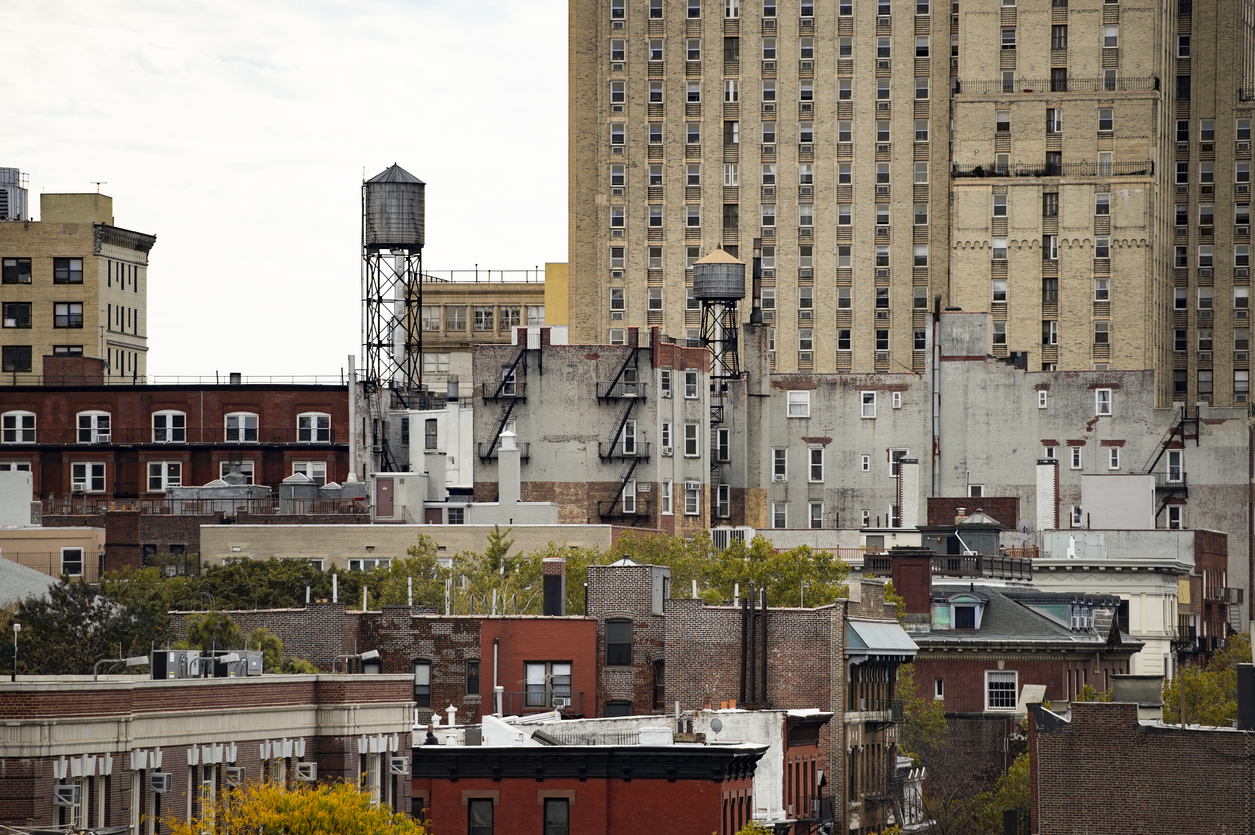
Growing Up Nuyorican
About These Stories
YC runs intensive nonfiction writing programs for teens in New York City, where they’re mentored by a professional editor to write personal stories about their lives and about issues that affect young people. Their stories are then published and read by thousands of teens, educators, policymakers, and other adults who work with and for young people.