
Have you ever watched one of those talk shows on high school reunions where people come back and reveal that they’re gay?
Ever wonder who’s going to come out at your reunion? I know the subject comes up among me and my friends all the time. But even with all the media coverage of homosexuality and the well-known statistic of one in ten people being gay, most gay teenagers are still in the closet. Why is that?
“Because I’m scared I’m gonna die,” said Lucy, 18, who asked that we not use her real name or school. “People in my neighborhood, they beat up bums. Imagine what they’ll do to [my girlfriend and me]. Once they feel like beating someone up they’ll just do it for the heck of it. So I feel I’ll just be a target for one of those things.”
Driven Out of His School
Alejandro Irizary, 15, became a target. He said once after someone in his school saw him kiss another guy, “a lot of kids said, ‘Let’s be macho and beat him up.’ ” They chased him down the hallway with a knife, he said, but “nothing happened, I just changed to another school.” Another time a parent “told their child to stay away from me.”
As a result, Alejandro still doesn’t tell many people he’s gay. For him the subject of homosexuality may be “out loud but it’s not accepted.”
David Miranda, 21, of Sarah Lawrence College, agreed that telling people is still a risky thing to do. He said for a long time he kept his sexuality a secret from his parents and straight friends “because of the way they talked about gay people.”
Rafael Ruiz says people are especially likely to stay in the closet when they hear people talking about ” ‘You f-got this’ and ‘You f-got that.’ “
“You just feel like hiding it,” explained David, ” ’cause you don’t feel it’s safe to tell.”
Elaborate Cover-Ups
Because of their fears, gay and lesbian teenagers often go to great lengths to conceal the truth about themselves. “I lied about it for a long time,” said Tanya Ponce, 16, of Beacon HS. “They [my peers] would say, ‘How’s your boyfriend?’ and I would say, ‘He’s OK.’ instead of ‘She’s OK.’ “
Alejandro took lying a step farther. “I’d walk around rough and tough,” he said, “beat up kids…go out with girls.” David did many of the same things, and for him it wasn’t only a matter of keeping a secret from others. “I would lie to myself too,” he said. “Many people talk about coming out to other people, but you have to come out to yourself first.”
Once you’ve done that, it usually becomes important to find someone you can talk to. “I felt I had to tell somebody,” said David. He said when you’re in that situation, “You’re looking for [a] person to kind of clarify…make you feel better…to confirm that what you’re doing is not wrong.”
But David wasn’t sure who he could trust. He turned to his school guidance counselor whose reaction was, “So what?” The counselor didn’t even treat it like a problem. He just gave David the name of an organization for lesbian and gay youth where he could meet other kids like himself.
‘Why Didn’t You Say So, Stupid?’
That wasn’t the reaction David was expecting. “I can’t believe there’s people out there that don’t make this out to be a big issue,” he thought at the time.
Lucy had a similar experience with her friend, Tina, who was like, “Why didn’t you just tell me earlier, Stupid?” But Lucy also says she knows better than to tell “homophobic friends” who see homosexuality as something “perverted” or her stepsister because “once I’m on [her] bad side, I know she’ll blab.”
It may be hard to come out knowing that many people are going to judge you or that you might even get kicked out of your house and end up totally alone. But if you hold it inside you’re alone as well. “I was sick of making believe [I was] something I wasn’t,” said Tanya, explaining why she was willing to take the risk.
Leniere Miley also got tired of pretending. He said another kid was taunting him and speculating about his sexuality until they finally ended up fighting. When someone wanted to know what the fight was about and asked if he was, in fact, gay, Leniere said yes. “After the fight, I didn’t see the sense of hiding it anymore,” he said.
Gay Radar?
In a society with so much prejudice and secrecy it’s easy to see how a gay teen might feel like he or she is all alone but it isn’t true. Several of the teens I spoke to seemed to have a kind of radar that enabled them to pick out other gay teens in the crowd. “I told my friend [I was gay],” said Tanya, “and then she came out to me.” Tanya didn’t really suspect anything but, looking back, she said she had had “a feeling” about her friend all along.
And more than a year after Alejandro told his cousin he was gay, his cousin said he was also. Lucy “assumed” her friend Jessica was gay, “so I asked her,” she said. “It took her two months to tell me.”
David said that after he had accepted the truth about himself, he “wanted everyone to know,” but he didn’t want to go through the ordeal of coming out. Instead he started hanging out with only gay people in hopes that others would get the message without his having to tell them. What he didn’t explain was how he and his gay friends found each other in the first place.
Figuring Out Who to Trust
When deciding who to come out to, whether the people you tell can be trusted is ultimately more important than whether they’re gay or not themselves. Tanya made it a point only to tell her closest friends, but even so, “I told one wrong person,” she explained, “and the next day it went all around [school].” Tanya says she lost a lot of so-called friends as a result. “They would talk behind my back or even in front of my face.”
The only person Rafael told outside his own family was a neighbor ” ’cause she’s such a f-g hag [someone who hangs out with gay people]. She was always more open to it.”
Beyond that, “you kind of know who it’s safe to tell,” said David. Alejandro agreed: “Certain people, you take a risk on.”
Are you one of those people? If your friend told you she was gay how would you act? Would it be right for that person to even consider you a friend?
Most of us feel a little nervous when someone admits being gay to us. I know I did. And a lot of straight people feel threatened being around lesbians and gays because they’re afraid they will make a play for them.
What’s the Problem?
David doesn’t get this. Even if a girl likes him, he said, he doesn’t take it as a threat. He suggests people who feel that way ask themselves honestly, “Why do you have a problem with [gay people]?”
Even if they don’t have a problem with his sexuality, David hates it whenever people treat him differently once they find out about it. At college, “I’m like the gay guy in the crowd,” he said. After they found out, people at his school “only saw me as being gay.” They expected him to know about fashion and cutting hair and stopped asking him to go out to clubs with them.
If someone tells you she is gay and you want to be worthy of her trust, just remember that you’re still talking to the same person. She had these feelings before, the only difference is that she never felt she could tell you about them.
In the end, David advises, “The best reaction is not to make a big deal about it.”
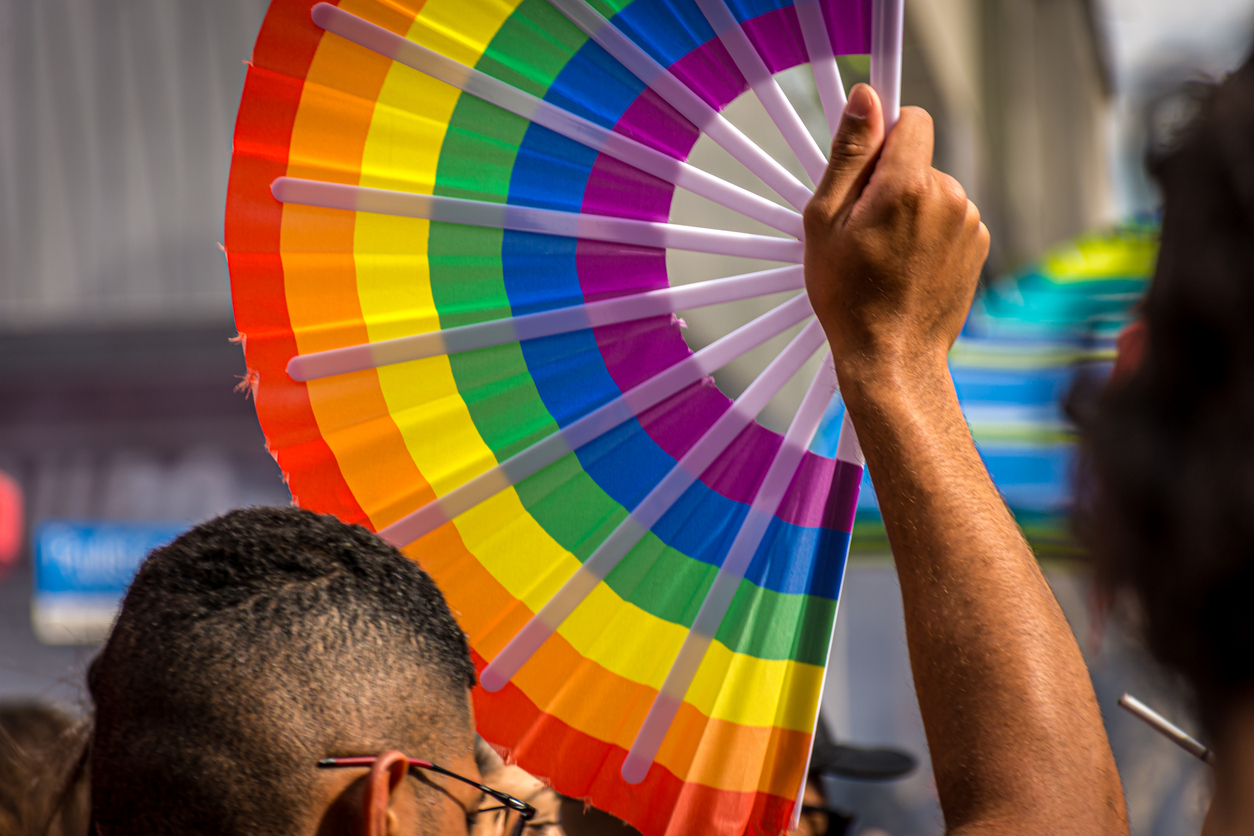
Coming Out to Your Friends: When Is it Safe to Tell?
About These Stories
YC runs intensive nonfiction writing programs for teens in New York City, where they’re mentored by a professional editor to write personal stories about their lives and about issues that affect young people. Their stories are then published and read by thousands of teens, educators, policymakers, and other adults who work with and for young people.