
I wanted a family like the ones on television. An African-American family like on Family Matters or The Cosby Show (instead of having a bootleg version of The Simpsons). Chaos, fear and lies were my life when I was living with my mother. Then, in January of 1997, I began my life in care. I was 8 years old.
Six months later my sisters and I were split up. For the next five years my foster families treated me with little respect or consideration, to say the least. The foster mother I lived with the longest, Diane, kept me in check by yelling and cursing. Then she got fed up and kicked me out. I was sent to my older sister’s foster family.
A’Cool’ Family
My older sister was living with a “cool” family (she said). But by that time I believed in no such thing. When I arrived at her foster home I was wary. We only lived together for four months until she had to leave. Her leaving made me feel a little timid (was I next?), but I still wanted to be accepted by them.
My foster mother had a strong stubborn will, and she liked things done her way when she said it. But she didn’t swear unless she was severely angry or surprised. She was quiet and didn’t like a lot of trouble. I loved the way she seemed to always have just enough energy to put up with my antics. Her daughter also seemed willing to guide me when I was in crisis, even though we’ve had a rocky relationship.
Things were definitely better at this new home. It seemed like my family wanted me. And like they wanted to help me. I thought I could fit in with them, that I had found a pretty good home.
They were a real family. They stuck together and seemed to be bonded by their deep affection for one another.
I Tried to Confide
I thought my family would want to listen to me. I felt like I could tell them everything about my feelings and my past. It didn’t always go well. When I talked with my mother about my past foster homes and brought up Diane’s injustices, my mother always seemed to defend Diane. That hurt me. I thought she secretly agreed with how Diane treated me, and that she felt I was out of control when treated otherwise.
That made it harder for me to confide in this new family. I tried to trust them anyway, but years of rejection and ridicule had left me emotionally withdrawn. My insecurities began to appear.
A Bad Birthday
It was my birthday, and I was in the house feeling alone and forgotten. No one from my biological family had called to wish me a happy birthday. So I did the only thing I felt I could do, which was to sit in my room and cry.
My foster sister came home and asked what was wrong. I refused to answer, fearful of being made fun of. She became frustrated, grabbed my diary from me and read the newest intimate passage I had written. All I could do was stare and ask her to give it back. I felt dirty and isolated.
She looked at me afterwards and asked me if I was upset because of what I had written. I wouldn’t answer. Instead of respecting my privacy, she became angry and stormed out of the room.
I felt as if she perceived the whole scene as a bid for attention, instead of my way of protecting my privacy. The rest of the family had expressed to me before that they feel the same way at times. I was angry. How dare they judge and assume things? How dare they ridicule me?
But then there were times like Christmas and other holidays, or the rare occasions that we were all in the same room at the same time, talking and laughing together. Talking about nothing and loving it. Then I felt safe and wanted, like this is what families are about. That all the other crap that happens is just nonsense that happens in all families. That only these moments mean anything: Warm feelings, a Christmas tree and happy smiling faces. Normal family. I always wanted that.
‘Your Plan Is Adoption’
One day it occurred to me that even normal families have conflicts, and that I had found the closest thing I’d seen so far to the families on television. I’d found what I was looking for and better go after it. So I asked my mother if she would adopt me.
My mother never actually said yes. I just kept asking her. Then, during a meeting to plan my case, I was surprised to hear my lawyer’s assistant say, “Right now your long term plan is adoption.” She asked me if that was what I wanted. I said yes, nodding and acting as if I had known all along. (How very sophisticated of me!)
On April 16, 2003 my mother and I went to court-after mild hesitations from me. I slowly got dressed, and had to return to the house several times because I kept forgetting “Important” things.
I felt weird and uncomfortable, almost like I was to be heading for the courtroom to trade in my identity. My mother sensed my doubt and became frustrated. She said, “Come on or I’ll call the entire thing off.” So we went. We waited, went into the courtroom and I was adopted. The whole thing took about 30 minutes, including the wait.
My mother and I went out to eat afterward, and I was happy just to get away from the courthouse. It felt gloomy, like it would suck up my happiness. This was a good decision. Everything would be definite once we left.
I thought that once I got adopted everything would change. I believed all my past troubles and trauma would be erased and that I would start new. I thought I’d feel secure in my family. I’m still waiting for that to happen.
For a long time after I got adopted, I felt angry and hurt. I still couldn’t tell my family about my past without feeling like they were rejecting me. Then I gradually began to realize over the weeks, months, years, that they can’t handle certain things about me, like the abuse I went through in my past.
Holding the Past in
What they did to deal with the sometimes overwhelming information I gave them was to downplay what happened. Then, when I later did something wrong or hurt them in some way, they would bring it up, as if to prove to me that what I endured wasn’t abuse. Once I was late coming home so my new sister could go to her grandmother’s funeral. She cursed me out and threw what I had told her about the abuse back in my face, saying I shouldn’t feel special.
So I learned what to divulge and what to keep to myself. I stopped telling them major things about myself. My feelings are spared and their minds are at rest. But trying to keep those feelings in has been a roller coaster. I still haven’t dealt with my past, and it affects me.
Reaching Out to My Mother
Recently, though, I realized that I needed my mother’s advice. I’d spent about six months unsuccessfully trying to figure myself out. I was asking myself, “Who am I? How does my past relate to my present? How will it relate to my future?” Thinking about things like that completely messed me up. I was upset a lot and couldn’t concentrate.
During a post-Christmas morning, my mother and I discussed my mental stability. Or instability, as it were. We were incapable of doing that before, either because I feared rejection, or because she feared upsetting me.
I felt anxious, but I began to tell her how I felt. I told her about my panic attacks and my paranoid thoughts about what classmates and teachers might think of me. And she listened. I told her about my struggle to forget my former life. When she listened and spoke to me understandingly and encouragingly I was surprised.
We talked about my past foster homes, and I came to understand that maybe she wasn’t defending my old foster mother, maybe she was trying to make me see that Diane had her own problems and was taking them out on me and my siblings. Realizing that was a weight-lifter, because for a long time I felt that the way Diane treated me was all my fault. I needed her to tell me it wasn’t.
Listening to My Family
Lately, I think my new family has been trying harder to understand and help me. I’ve also begun to listen a little more closely to their feelings of frustration and anger about things I’ve done.
Once I began to listen, a lot of things started to click for me. I realized that my sisters didn’t mean to hurt me with their teasing. And I understood that my mother wasn’t always being distant, but was actually allowing me space to be myself. I’d rarely experienced that in other homes, where I was always told to shut up and what to think of myself.
I began to understand who they were. And by understanding I softened my take on the whole situation. I didn’t condemn them for everything they did that felt wrong. I guess we’ve all matured since I first arrived
No Such Thing As Normal
It helps that I’ve realized that there is no such thing as a normal family, and that I will drive myself crazy looking for families like the ones on television. From hearing my friends’ description of their families’ embarrassing acts and arguments, it seems to me that no one can always get along. In a way, that makes me feel good. It helps me to understand that my family isn’t far off from normalcy, if there is such a thing.
I came to this new home with broken spirits and a heavy heart. My former foster mothers’ poison had seeped into my soul. Now I’m getting better, I’m almost revived. I have people who want to make me well. We’re learning to trust each other and to be a lot more considerate of one another. I know that, at least, I’ll try. I’ve almost found my dream family. I want to hold on to them.
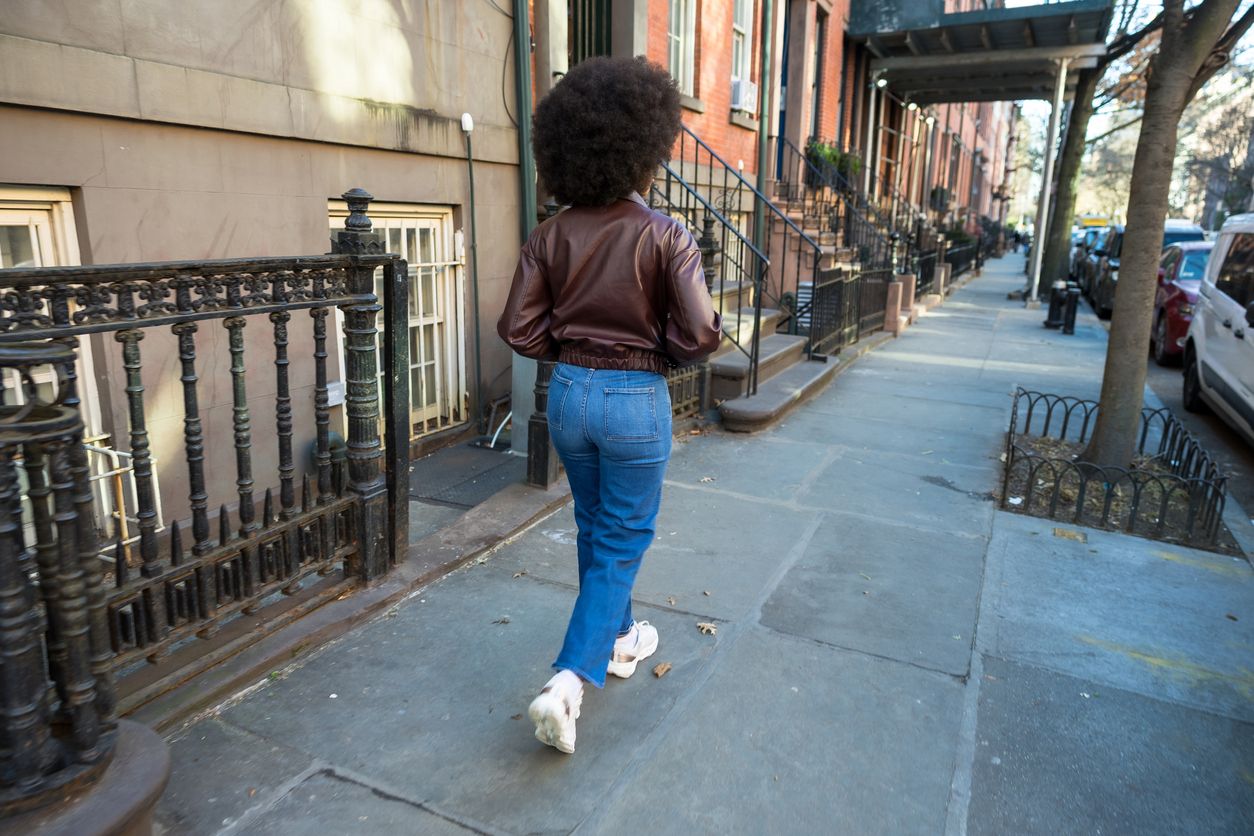
Clean Slate
Even a perfect adoption couldn't erase my past
About These Stories
YC runs intensive nonfiction writing programs for teens in New York City, where they’re mentored by a professional editor to write personal stories about their lives and about issues that affect young people. Their stories are then published and read by thousands of teens, educators, policymakers, and other adults who work with and for young people.