
Since I was a little girl, I’ve always wanted to have green eyes. Now that I have the chance, people are trying to say that I want to look White.
That’s not true at all.
I’m a Black and Hispanic teenager and I’m proud. I want green contact lenses because they’re pretty.
That doesn’t mean that I dislike my natural-color eyes-it’s just that I want to have a little fun and have the opportunity to have different color eyes.
Just because people are getting colored contacts doesn’t mean that they’re trying to change their identity.
Of course there are some people who change their eye color because they want to be someone else, but you shouldn’t place everyone who has colored contacts in the same category.
Before you judge someone who wears colored contacts, find out what they’re really like. “don’t judge a book by its cover.”
My Identity Will Never Change
No matter what I do to myself on the outside, I’ll always be a Black and Hispanic girl on the inside. I will never change my skin color or my identity.
When someone says that they’re getting colored contacts, everyone looks at them as if they were getting a sex change. It’s not like they’re permanent-you can always take them out.
When people started to dye their hair, no one said they were trying to be White.
When I dyed the ends of my hair blond, everybody said that it looked nice, but now that I’m getting green contacts, they’re saying that I’m ashamed to be Black and Hispanic.
I think that people should keep their opinions to themselves, unless they really know that particular person.
So if someone tells you that you only want colored contacts because you want to look White, don’t listen to them. If you want them, then you should get them.
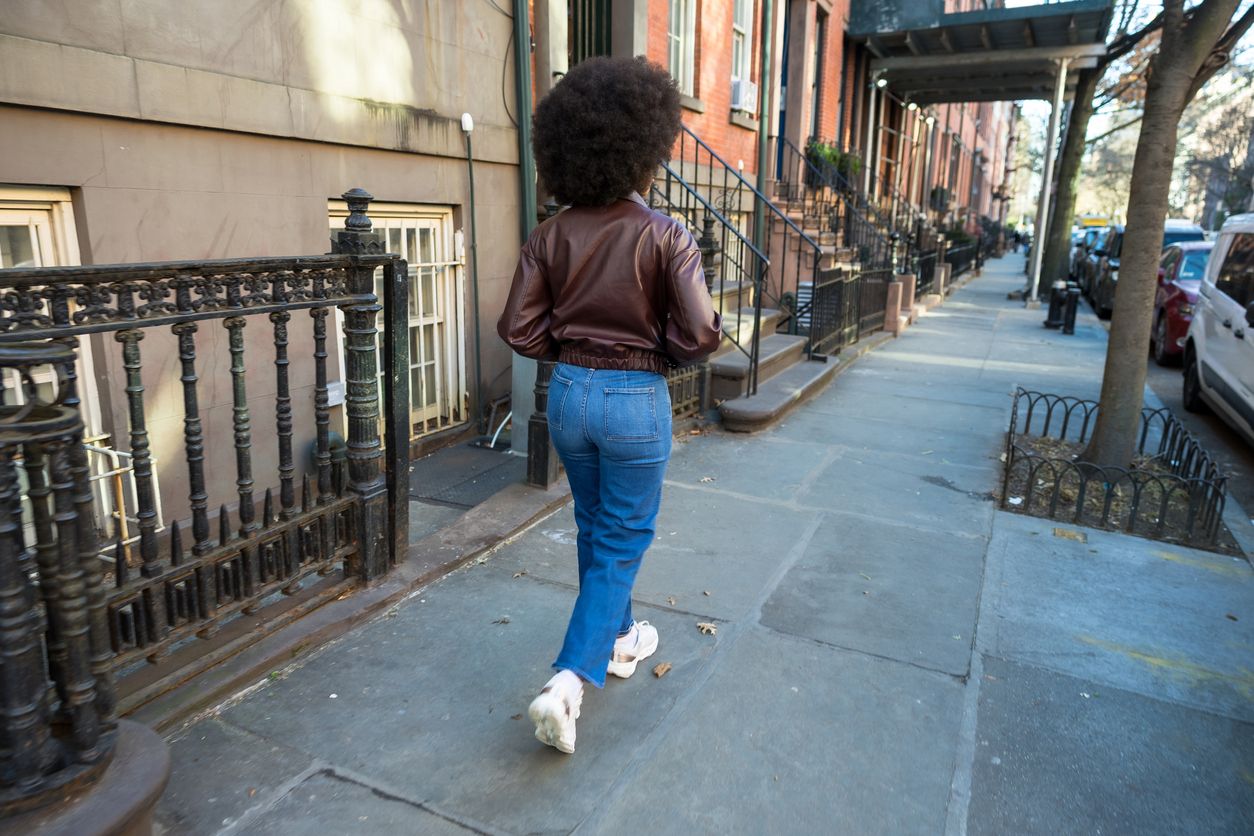
Black, Hispanic, Proud-And Wearing Green Contacts
About These Stories
YC runs intensive nonfiction writing programs for teens in New York City, where they’re mentored by a professional editor to write personal stories about their lives and about issues that affect young people. Their stories are then published and read by thousands of teens, educators, policymakers, and other adults who work with and for young people.