
The system does little to help the child when he or she is brought into its cold hands. We’re taken away from our families, then dropped off in a shiny, brand-new one. I liked the old one better. They talked, looked, and, most of the time, smelled just like me.
Being taken away from one home and then placed into another hurt me deeply. That kind of change isn’t easy on anyone, but it can be even harder on a child who doesn’t even understand why he or she is being taken away.
I felt welcomed when I entered my foster home on Staten Island. Yet the differences between my old home and the foster home were very clear, as I tried to become accustomed to these new people.
From Uptown to Staten Island
I went to Staten Island from uptown Manhattan, where the noise level was different. In one place I would listen to the sounds of Salsa and Merengue, and the screeches of cars, firetrucks, and cop cars, along with occasional gunfights, all night long. But the music was above it all. That music, when I compared it to the sounds of the crickets in Staten Island, made me miss my home dearly.
My foster family had a different way of speaking from my real family. They didn’t speak the way I did. There are ways of communication that all blood or most blood relatives share-a facial movement, a smile or a look, the shared harmony that comes from long hours together. Yet more than that-when I looked into my brother’s faces, we all looked kinda alike.
My foster family wasn’t understanding the way I needed them to be, but they tried their best. During that time of trauma, we need someone to bond with. Someone to sit down and talk to us. At one time I bonded with my caseworkers, but when I got real close, they disappeared, never to be heard from again.
Yet, to their credit, I did learn to feel like a part of my foster family. My foster mother seldom showed favoritism.
Then, out of the blue, just when I became accustomed to their ways, when I began to finally feel really at home, I was whisked away to another foster home. My father wanted me and my little brother together in the same place.
This dealt me a blow that I couldn’t deal with, and to this day I wonder if I ever really have.
Missing Affection
Here I was, with a new mother who wouldn’t love me like her own. (Some foster mothers do, mind you.) A woman who fed me, but wouldn’t give me my plate the way my mother would. A woman who never talked to me, but always down to me.
I saw these things. It was these differences that hurt me the most, and that caused me to be a confused and angry child. I still had the need to love and feel loved, that my mother gave me as a child.
There were times when my mother would let me sleep with her, and as we lay together we would talk about many things, but it wasn’t the words that held me, it was the closeness that I felt with her. The closeness that made me scream into my pillow when I missed her there with me in the foster home. This missing affection made me bitter.
My mother wasn’t by any means a perfect woman, but in my eyes she was. So to return to the point, foster care doesn’t give you those things which are key to growing up. The system takes them away and replaces them with fakeness.
And so you feel the fakeness of it all, and it sickens you. You see them try to take you in, but you feel the loss of the truly intimate relationship that you once had, and a part of you dies.
And every day that I was there, as fair as my foster family may have treated me, still I saw, sensed, and felt the difference, and this caused the anger in me to build. Every time I saw them hug their children, I remembered my mother’s hugs. Every time I saw them speak in the way that only true family speaks, my heart sank and I missed mine more.
No Answers
I felt like the outsider forever, and this hurt me deep in my heart. Maybe if I tried to become a part of the fakeness, like a lot of foster kids do, I would have been happier, but I doubt that would have been the case. So I grew up with the pain and a big part of it still returns. Yet, if you haven’t killed yourself, you live out this trial by fire.
And when I ask myself if there is a realistic way to deal with this fault in the system, I have to say I don’t know.
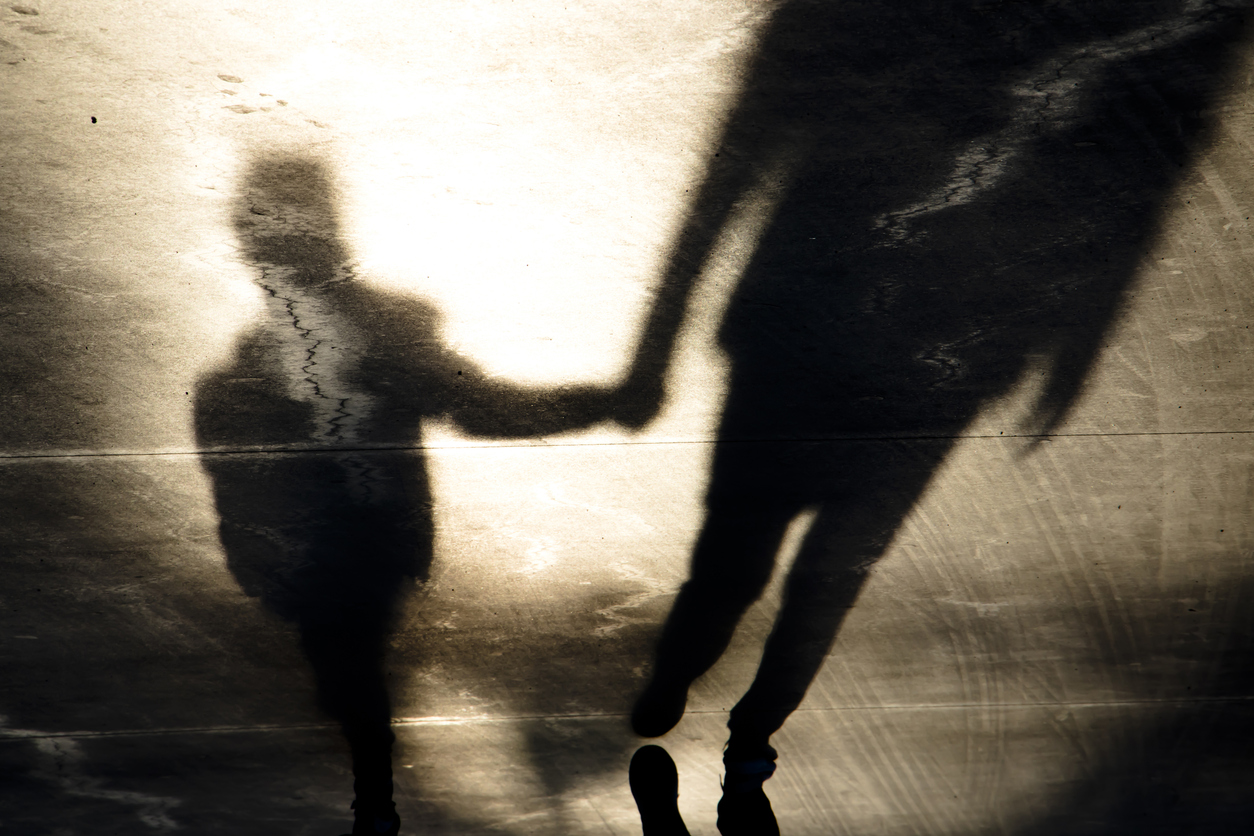
An Outsider Forever
About These Stories
YC runs intensive nonfiction writing programs for teens in New York City, where they’re mentored by a professional editor to write personal stories about their lives and about issues that affect young people. Their stories are then published and read by thousands of teens, educators, policymakers, and other adults who work with and for young people.