
When I first stepped into my foster mother’s house, I thought she was rich. The house looked so pretty. In the living room she had a big gold chandelier and gold tables and couches with plastic on them.
I was only 10 years old so I asked her, “Are you rich?” She said, “That is not something to ask somebody.”
Stuck with Strangers
Although my foster mother’s name is Aggie Johnson, everyone calls her Ms. Molly. She looks like she’s in her early 30’s so I was surprised to find out that she is about 50. Ms. Molly is laid back. She likes plants and designing her house, and most days she wears jeans and t-shirts. On Sunday, she does her hair in curls and wears dresses to church.
Her husband’s name is John but we call him Mr. J. He is quiet and calm, tall and very light skinned. Mr. J. is a psychologist and works ’til late evening. I don’t get to see him too often, but when I’m doing the dishes or eating in the kitchen and he comes downstairs after work, he asks me questions like, “Do you believe in God, Cynthia?” and, “How come you always wear black?” He’s trying to figure me out.
When my sister and I first arrived at Ms. Molly and Mr. J’s house, I felt abandoned. My mother had died of a heart attack that morning. My father had died two years before and my grandmother had died one year before, so my sister and I were all alone. Police took us to the precinct and then a shelter where kids wait until they get a foster home. That night, all of a sudden, I was put with strangers.
Trying to Adapt
I had believed that foster homes were horrible, dirty places where no one cares about you and it feels like a small jail, but Ms. Molly’s house felt welcoming. Five other foster children were eating in Ms. Molly’s kitchen when we got there. One of the foster kids, Barbara, showed us our beds and where to put our stuff. She was really nice.
The house was huge-a big brownstone with four floors and a basement. My sister and I had our own floor. The size made me feel kind of free. I could eat by myself or with my sister in the kitchen, or we could go to the backyard for air, or just sit on the stoop out front.
As nice as it was, moving to Ms. Molly’s was a big change. I was forced to adapt to a new way of living. There are always so many kids eating together, watching TV or doing homework, and washing their clothes. Usually seven kids are living in Ms. Molly’s house, and since I’ve been there, at least 30 different kids have come through.
At first, I thought I couldn’t get used to living with so many other kids. I was used to more privacy. I felt comfortable only with my sister and would follow her around the house everywhere she went until she became upset with me for doing so.
‘She Is Gone’
For a little while, adjusting to all the changes made me forget my mother and I was not too sad. Then, a month after I got there, I was watching a show on television and I closed my eyes and pretended that I was home. When I opened my eyes again I was still in the foster home. Finally, I let myself remember that my mother had died. I didn’t want to believe it, but it hit me that it was true.
My sister saw me looking sad but I wanted to be alone so I ran downstairs and opened the door to the street. I heard my sister running after me. “What happened, Cynthia?” she said.
Ms. Molly told me to come to her. She told me to be strong. “Your mother is not in pain anymore, she is gone and there is nothing you can do about it,” she said. Then she gave me a peppermint and I went upstairs feeling calmer. I thought that my foster mother must have gone through what I was feeling, too.
Memories of Home
After a few months, my sister and I were finally allowed to go home to get more of our stuff. I wanted very badly to go back to my old apartment, but when we got home, we were overwhelmed. We didn’t know what to take with us.
We looked for our family’s photo album and my mother’s old chest filled with foreign coins, cuff links and a set of false teeth. She said it was my grandfather’s chest, and I wanted to hold on to it. But I never did find it that day. My sister and I rushed through packing up our stuff, because we felt sad and didn’t want to think about old memories.
Keeping my Distance
Over the years, I’ve adjusted to living with Ms. Molly and Mr. J., but they haven’t become like family to me. We don’t talk too much, only about my chores, curfew, allowance and cleaning my room.
I try to stay out of the house after school because hanging out, talking to my friends and reading at the library stop me from thinking about my mother. Especially in the first few years I’d stay out late because going back to my foster home would remind me of why I was traveling to that destination in the first place.
My foster mother didn’t understand why I was coming home late. She’d say, “Why were you late?” and I would just tell her that I was hanging out. Then she would yell. She probably thought that I just wanted to be rebellious.
I would have liked it if she asked, “What’s going on with you?” or, “How are you feeling?” but I don’t think she would have believed me if I told her the truth.
If I had any problems a girl might turn to her mother about-like boys, or going through puberty-I talked to my sister, because we’re close. With Ms. Molly, I’m just polite. If I see her before I go to sleep I say, “Good night,” and when she wakes me up I say, “Good morning.”
When I come home she usually says, “Hey, what’s up?” Sometimes she tells me what is for dinner downstairs, or about something exciting that happened during the day, like she got something on sale. Sometimes I tell her about my day, and sometimes I don’t. If I am upset about something, I keep it to myself.
Not My Mother
Ms. Molly has never acted motherly to me, but I’m glad she is not very involved my life. I like having my space. The way I see it, a foster mother is not a mother.
When my mom was alive, she showed me affection, and when we talked about funny stuff she would laugh. Sometimes we would have tickle fights, and many times she would read to me and help me with my homework.
My mother wanted me to do good so she did my hair and helped dress me, she made sure that I went to school every day, and she cooked for me at night. She was special, and I don’t want anyone to try to do the things that she did for me. My mom was the one who raised me, and she should get the credit.
Leaving at 18
My foster mother doesn’t show that kind of affection to me and I don’t expect her to. Sometimes I wonder, “Is my relationship with Ms. Molly wrong, weird or OK?” I think it’s OK for me.
When I am 18 I plan to leave Ms. Molly’s house and move into an apartment program. I think I will still keep in touch with Ms. Molly once I leave the house. I don’t believe I’ll need to depend on her but I hope that if I do need her in some way, she will be there for me.
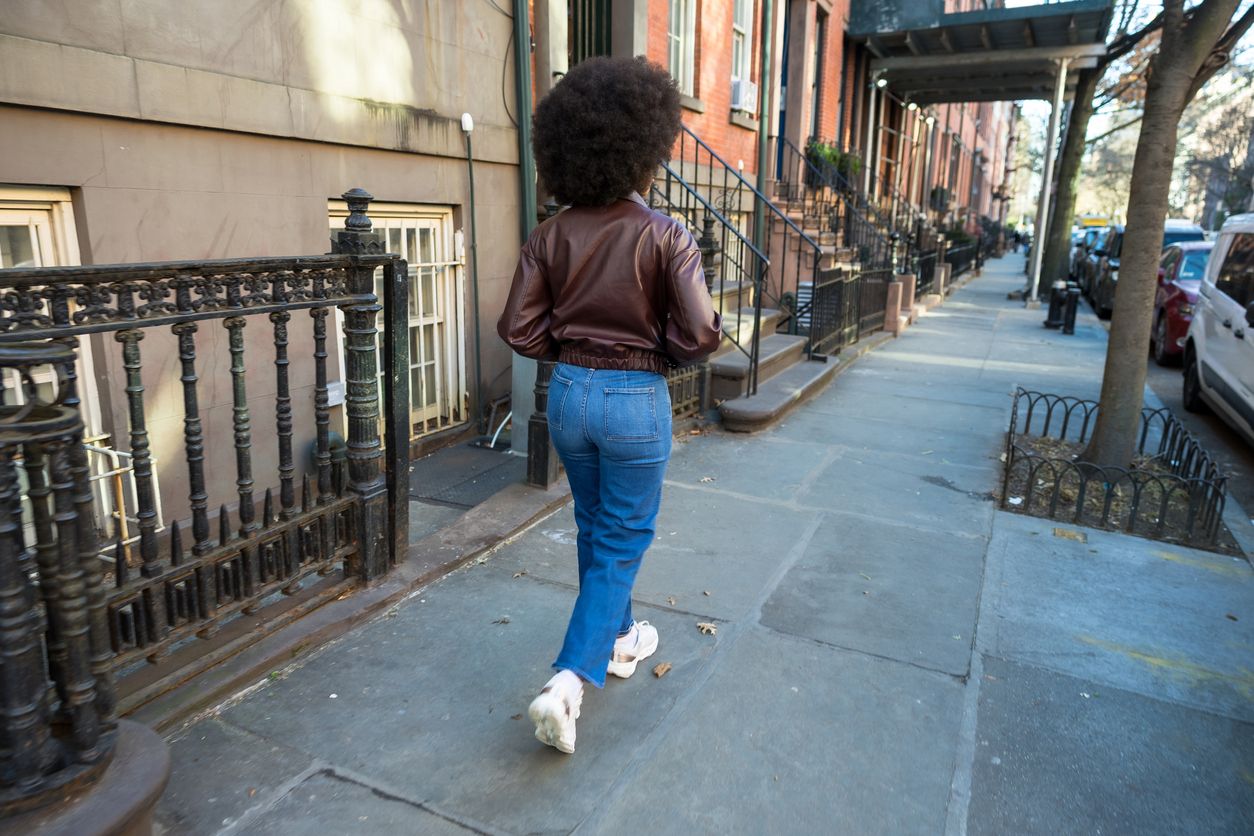
A Hi-Bye Relationship
My foster mom and I keep our distance
About These Stories
YC runs intensive nonfiction writing programs for teens in New York City, where they’re mentored by a professional editor to write personal stories about their lives and about issues that affect young people. Their stories are then published and read by thousands of teens, educators, policymakers, and other adults who work with and for young people.