
“Aww, we gotta go somewhere for our winter recess assignment, Sensei?” I whined to my Japanese teacher as she handed out an assignment sheet. (Sensei means “teacher” in Japanese.)
“Hai, Robinson-kun,” she responded as she walked past me, meaning “Yes, Mr. Robinson.” The assignment said we had three choices: cook a traditional Japanese dish; interview a Japanese person; or visit a Japanese museum and write a report about it. The museum seemed like the most appealing option. There was only one real obstacle to doing the assignment-my parents.
Though I was 15 years old, I wasn’t allowed to go anywhere by myself. Even if I wanted to go just a few blocks away, I had to have an attendant. And sometimes my parents refused to let me do things for reasons that were totally irrational.
“No! You can’t go to that ice skating rink; the ice can cave in under you and you might drown!” my mom said when I’d asked to go to a friend’s birthday party. Even though there was earth under that ice-not water-she wouldn’t budge. And that was normal in my house.
Worried to Distraction
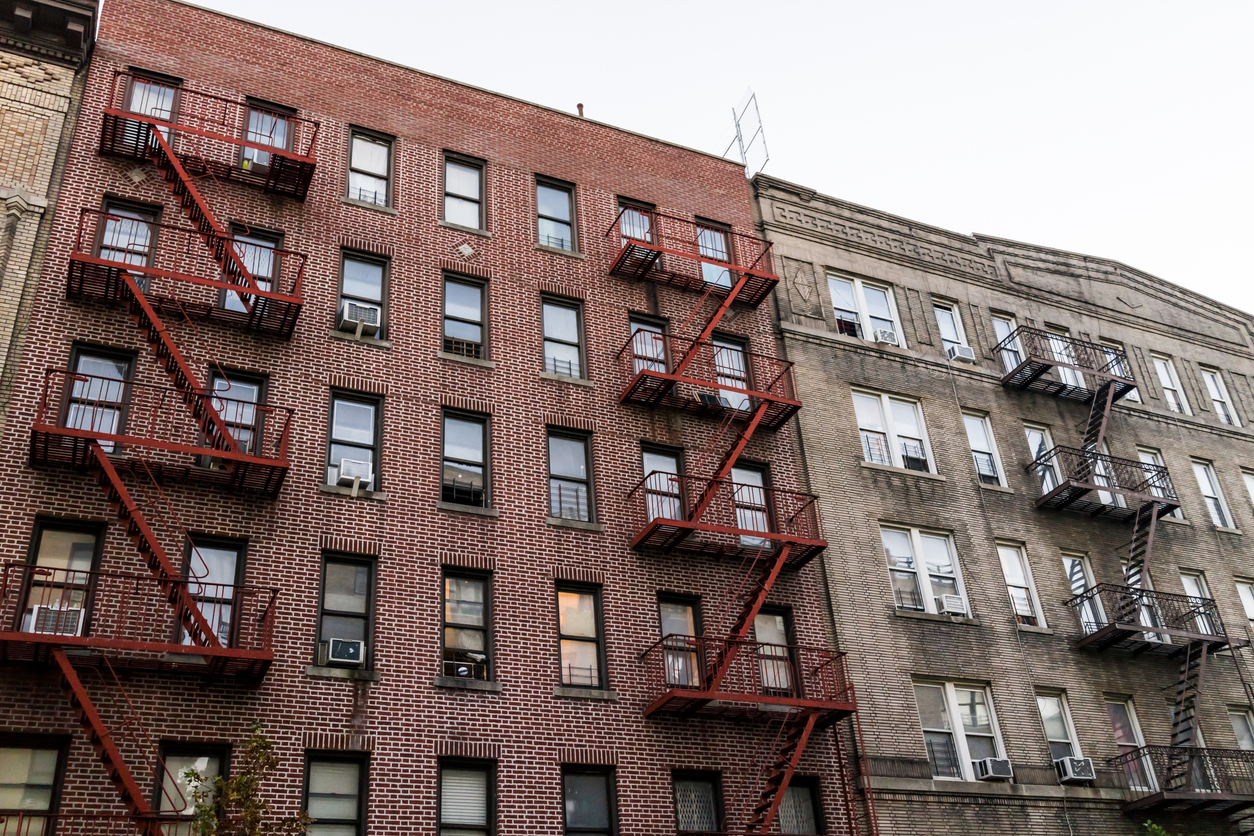
My parents worried that something might happen to me and they might lose me. In particular, they didn’t like the neighborhood that we lived in. They thought that if I was overexposed to the neighborhood I might meet people who would be a bad influence. They fear the worst constantly, so they restricted my freedom in an effort to protect me.
It’s understandable, but I think they went too far. They wouldn’t even allow me to take the subway to get to school because they were worried that an underground terrorist attack might occur. They were also afraid that I might get lost, even though I’d never gotten lost in my life (not that I’d had many opportunities to get lost in the first place).
Growing up, I knew my parents’ rules and restrictions were blatantly unfair. I used to fight back against them, pleading to go out with my friends, but it was hopeless. They always said no. After refusing my request, they’d massacre my ears with their worries:
“That neighborhood is dangerous. People carry weapons around there.”
“You and your friends might be playing around on the street and get hit by a car.”
My parents would make unfair assumptions about my friends, worrying that they might drag me into a gang-related battle or pressure me into doing drugs, stealing, or fighting. I felt like I was forced to just nod my head periodically while they murdered me with unlikely scenarios.
After a while I stopped arguing. I decided to save my ears the trouble and accept the fact that I wasn’t going anywhere. The only “compromise” we could ever come to was this: “If your sister goes with you, you can go.” That was the final nail in the coffin. I knew my sister, who is six years older than me, wouldn’t want to hang out with my friends and me.
Ridiculous on All Levels
Which brings me to my Japanese homework: Even though it was for school, I already knew that getting permission to go to a museum would be next to impossible. I began to think of ways to do the assignment without actually going to the museum itself. Even though it was deceitful, it would be easier than convincing my parents to let me go.
However, a few days into winter recess, I was playing online games with my friends Angel, Robert, and Matthew. (Online gaming, in which we used microphones to talk to each other, was the main way I got to “hang out” with my friends since I was never allowed out of the house.) The idea came up that we should all visit the museum together since both Angel and Matthew also took Japanese. Robert decided to tag along just for fun. It sounded like a good time, but would our parents allow it?
Over Xbox Live, I could hear Matthew talking to his mother.
“Mom, I’ve gotta go to some Japanese museum downtown in a few days for a school assignment.”
“OK,” she said.
“WHHHAT?” I screamed.
It was the exact same with my other friends. All they had to do was state where they were going and that was it. No hard time. No interrogation.
I always had to give the who, what, where, when, and why-and I still might not be allowed to go. I realized that my parents’ rules were ridiculous on all levels. That’s when the soldiers fighting for my independence began their attack.
Safely by Her Side
Since my friends were going, I wanted to find a way to join them. I knew that if I didn’t go I’d have to hear them talk about the fun they had without me. It would be exactly like the time when they went to the breast cancer walk in Central Park.
“No, you’re not going to any breast cancer walk. I need you!” my mother had said. That day, she made me go shopping with her, though she was shopping entirely for herself.
As I stood in my own little square in a women’s department store, I tried to befriend the floor with my eyes. I did not want to look at older women picking out their undergarments! Having some middle-aged lady come up to me and declare me a pervert would have completely killed my day. I realized then that my mother did not need me; she just wanted me safely by her side.
Later, my friends had talked about how much fun they had going on the walk and playing football in the park afterward. I had felt completely left out and I didn’t want to feel that way again. But I still didn’t have the courage to ask my parents for permission to go to the museum.
We were all having a good time playing Call of Duty 4-a video game that allows us to talk to one another as our characters attack the enemy-when I told my friends that I probably wouldn’t go to the museum with them. Angel’s character stabbed my character in the back to show he was annoyed with me.
“Aww, c’mon Jaminson, you suck,” he said.
“C’mon, Jaminson, you need to at least ask your parents,” Matthew said in a disappointed tone.
“Ask your parents now!” Robert demanded.
“No, I’m sorry, guys,” I responded. But my friends continued to bash and beg me to ask my parents.
Into the Interrogation Room
As I kept rejecting my friends’ pleas, a negative vibe slowly began to surface between us. It started to feel like it was me against all three of them. They began to team up on me in Call of Duty, killing only my character.
“You guys just don’t understand,” I finally explained. “They’re going to say no and lecture me on why I shouldn’t go. I don’t feel like going through that right now.”
They all laughed at me and said it was silly to be so afraid of my parents. I knew that they were right, but everything was silly, including the rules and restrictions. My friends began to urge me to walk over to my father’s room right then and ask him.
Gradually, I felt my courage meter rise until I was ready to go do it. I got up from my chair and took the Xbox Live microphone with me, so my friends heard the entire conversation between my father and me. As expected, he asked a million questions:
“Where do you want to go? Why do you need to go there? Who is going with you?”
“we’re going to meet at the school and come back to the school, so I’ll know my way back home. I won’t get lost,” I said, attempting to reassure him. Finally, after all the questions, he said yes. Victory in the Robinson household! I walked away from the police interrogation room smiling and proud of myself. I felt like I was finally catching up with my friends.
A Small Step for Manâ
Unfortunately, that feeling only lasted about an hour. Later that afternoon, my father told me he’d feel more comfortable if my sister went, too. Hearing that completely annihilated my short-lived sense of freedom. As expected, my sister did not want to be there, but she came anyway. She brought along her boyfriend and we all ended up having a good time at the museum.
Even though it may seem like a small step for other teens, getting permission to go to the museum turned out to be a huge step toward my independence. It gave me the courage to fight back against my parents’ restrictions. Having my sister come along felt like only a stepping stone. I still had work to do, and I got on it right away, protesting:
“C’mon, I’m getting tired of not being able to go outside by myself with my friends.”
“Susie doesn’t want to come with me. She’s six years older than all of us. She isn’t going to have fun with a bunch of young male teenagers.”
“I’m starting to grow up and I’m going to be out on my own eventually, so why not start giving me some freedom?”
The more I pushed back, the more my parents relented. The more freedom they gave me, the more I wanted. As time progressed, my parents began to realize that they could trust me, and if anything serious were ever to happen, I would be the first one to let them know.
These days, I’ve gained enough of my parents’ trust that they let me go anywhere in Manhattan by myself. A few years ago, this would have been unfathomable. I owe my newly-found independence to my friends. Without their pressure and support, I would have remained locked in protective custody.
My friends helped me when I needed it, and now I’m ready to fight for the next level of independence: traveling borough to borough.
Parental Control
About These Stories
YC runs intensive nonfiction writing programs for teens in New York City, where they’re mentored by a professional editor to write personal stories about their lives and about issues that affect young people. Their stories are then published and read by thousands of teens, educators, policymakers, and other adults who work with and for young people.