
When I think back to my earliest memories, I remember a carefree and relaxing life. I worried whether there was a monster under my bed, but besides that, few things bothered me. I didn’t even worry about the fact that I didn’t know my dad.
Then, one day when I was 5 years old, I was playing with my toys in my room when my mother called me. I ran to see what she wanted, and froze in my tracks when I saw the person next to her. It was a tall man, his skin darker than mine, looking down at me. I frowned and hid behind my mom.
“Mommy, who’s that?” I asked.
She held my hand and said, “Tichina, meet your daddy.”
I looked up at this man, confused. For as long as I could remember, it had been only my mom and me. Even though she had told me once or twice about my dad, I didn’t believe I really had one. After all, dads were supposed to live with their families. If I had a dad, why wasn’t he living in our house?
Disney Disappointment
I knew right away that I didn’t want to talk to this stranger at all, but my mom encouraged me to. I did what she said and waved to him.
“Hi,” he said. He smiled, but that didn’t make me warm to him. Then, however, he said something that got my attention. He told me that he would take me to Disney World.
Despite my wariness, that was an offer I didn’t want to refuse. My face lit up. I was so excited that I forgot all about being scared of him. Before he left that day he said he would take me there on Saturday, so I started looking forward to it.
Saturday finally came. I got up early and ran to my window as soon as I was done eating breakfast. I waited patiently, thinking that my dad would be there any minute.
The sky went from blue to orange to dark blue. As the colors changed, I began to lose hope. Eventually, I noticed the stars were out: It was nighttime. I knew then that my dad wasn’t coming. I kept staring out the window, but there were tears in my eyes. My mom walked over and hugged me.
“don’t cry!” she said. “I promise I won’t let him come near you and hurt your feelings again. OK?”
I nodded, still feeling disappointed.
No One Worth Knowing
But my mom didn’t keep this promise, and that day was the first of many times my dad let me down. He would make plans, I would look forward to it, and then he wouldn’t follow through. I’d feel sad, and also a little angry at my mom for letting it happen.
But I didn’t want to make things harder on her, so she never knew how angry I was. I could tell his behavior bothered her, because every time I asked about him she would just say, “He doesn’t care” and get upset. She later told me that she didn’t interfere with him talking to me because she didn’t want to keep me from my dad. She wanted me to know who he was. But I was quickly learning he wasn’t someone worth knowing.
I started to wonder: Why didn’t he care about me? What did I do wrong? My mom cared about me, but I knew that kids are supposed to have both a mom and a dad. Most of my friends at school did, and they sometimes asked where my dad was. I would say that he’d left. It made me feel like an outcast.
‘Does He Hate Me?’
Eventually, my dad fell out of contact with my mom and me altogether. I was both angry and sad, but mostly confused. For months I wondered why he’d stopped calling. Only one explanation seemed possible: It was something I’d done. I was sure of it. I felt that he didn’t like me, and that he’d left because of that.
One day I decided to confront my mom about it. She was sitting on the couch watching TV. I sat next to her and frowned.
“Mommy, is it my fault that Daddy left? Does he hate me?” I was trying not to cry.
“No! No, it’s not!” she said. “don’t you ever blame yourself. You shouldn’t have to feel this way-it’s your dad’s fault!” She had tears in her eyes.
Before I could say anything, she got up, marched to the phone, and dialed a number. Next, I heard her screaming at someone and cursing, and I knew she had called my dad when she mentioned my name. I started to cry and ran to my room. I felt guilty: If I hadn’t asked her that question, she wouldn’t have gotten angry like this. When she saw me crying she hung up on my dad and came to my room to comfort me. Soon I felt better.
After that, my feelings about my dad changed. He wasn’t there for me and he was making things harder on my mom. So I decided I should only be concerned with my mom. I tried not to think about my dad or mention him, to avoid upsetting either my mom or myself.
Outside Looking In
Meanwhile, when I was about 8 years old, my mom met a guy named Leon. They liked each other and started dating, but I never really liked him. I was sort of possessive about my mom because it had been just us all my life, and I didn’t like the idea of a man being around. About a year after she got together with Leon, my mom gave birth to my brother Christopher.
Leon was excited for a while, and used to come over to our house so he and my mom could take care of Christopher together. My mom was happy about this, but as I watched the three of them, I felt left out. I was on the outside looking in at the perfect family: a mom, a baby, and a dad. My mom wasn’t ignoring me or anything, but I still wondered where I fit in as her daughter from another relationship.
I thought it would always be like this, but as Christopher got older, Leon came around less often. Then Christopher was diagnosed with autism when he was 2. My mom was anxious to get him the things he needed, like a special school and therapy.
Leon didn’t understand what autism was, and he didn’t even try to. My mom did all of the work, and Leon did nothing. He and my mom began to argue. Christopher showed his dislike for his father: He didn’t want Leon near my mom, and called him a monster.
A Couple of Losers
Eventually, Leon disappeared altogether. Though I was relieved, I was also angry with him for leaving my mom like that. She loved him and felt devastated. He was no better than my dad.
Of course, Christopher and I were still lucky to have a loving mother taking care of us. But when I was 15, our mom passed away suddenly. Now we don’t have our mom anymore, and we don’t have our dads either. (Fortunately, we do have an aunt who has opened her home to us both.)
By the time my mom died, I hadn’t heard from my dad in three years. The last time he’d called, I was 12 years old and I’d told my mom that I didn’t want to talk to him. She’d respected my wishes and hung up on him.
Now, I didn’t even know if he was still alive. I didn’t expect him to show up at the funeral. I doubt he even knew that my mom passed away. It made me angry just thinking about him: remembering how he’d left, and how stressed he made my mom.
And when Leon got news of my mom’s death, he didn’t seem to have any regrets when my aunt confronted him about not showing up to my mom’s funeral. He basically abandoned Christopher, which got me angry.
Hurtful Feeling
Ever since, I’ve been thinking about how much I dislike dads not being there for their kids. Even my mom’s own father wasn’t around for her. Some of my cousins and friends have the same problems.
We’ve all been emotionally damaged by abandonment. To know that your dad doesn’t care is such a hurtful feeling. I would never want to talk to my dad, even if I did know where he was. I know he was wrong to leave, yet sometimes I still blame myself.
Even though I feel this way, I know there are dads who love their kids. I think my uncle is a perfect example of a good dad. He takes care of his son, goes to his school to pick him up when he’s sick, and spends lots of time with him. When I see them together I feel happy. When you’re a kid with two good parents, things are easier. You have more support and you feel safer. That’s why my cousin is lucky, and I can see he’s happy.
In the future, I want to do something to help kids with no dad around, so they can feel better and know that even if their dad doesn’t care, someone else does.
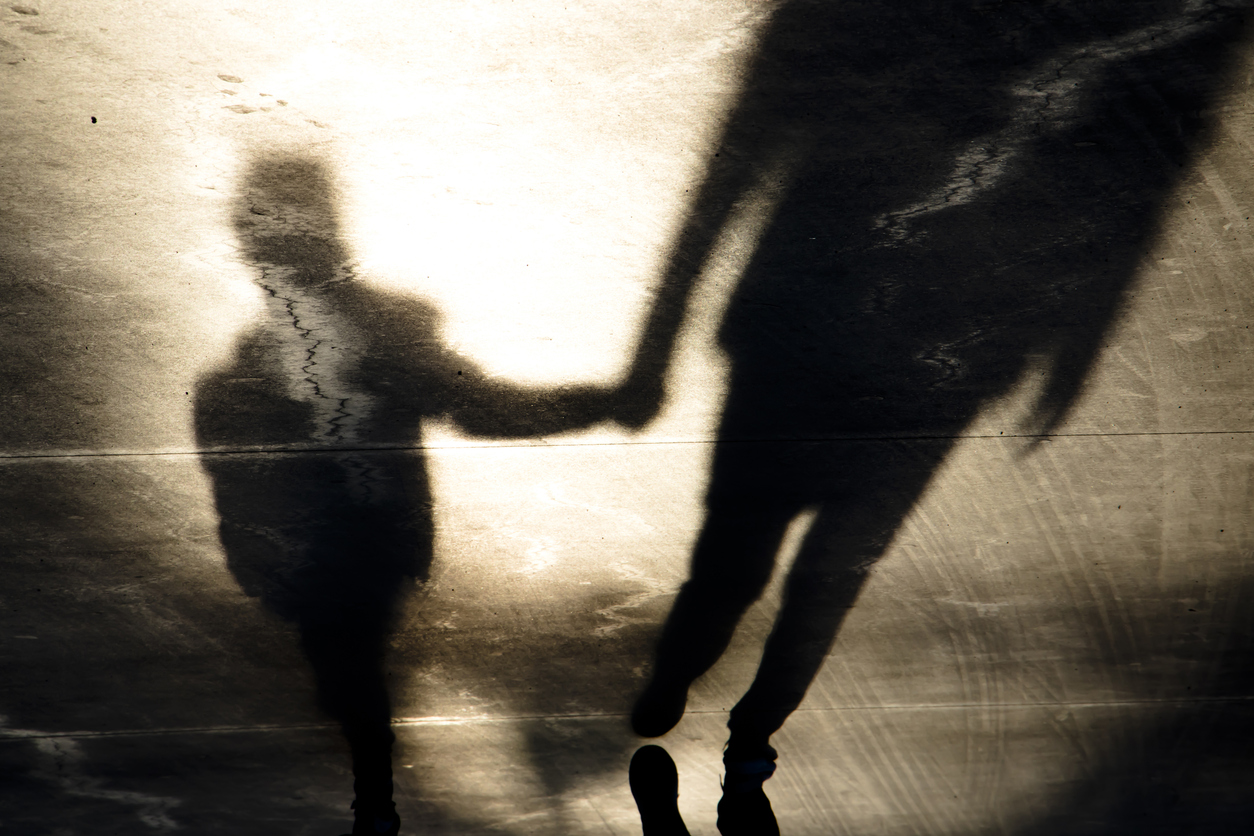
True Tales of Deadbeat Dads
About These Stories
YC runs intensive nonfiction writing programs for teens in New York City, where they’re mentored by a professional editor to write personal stories about their lives and about issues that affect young people. Their stories are then published and read by thousands of teens, educators, policymakers, and other adults who work with and for young people.