
When my brother and I first came home, everything had changed: the furniture, the TV, the bed in my room, even the kitchen floor was different. But it didn’t really matter, because we were home.
My brother and I had just come back from a year in foster care, where we had lived in five or six different places. The day we finally came home, I don’t think I knew what to feel. But my mom was happy.
Feeling Misplaced
Soon after we got home, my mom had a talk with my brother and me. She explained why they took us, and how she fought to get us back. My mother told us that after we’d been taken away she couldn’t stand to be in the house without us, so she took a vacation and when she came back she redecorated the whole house. She also explained that when the agency had said she didn’t want to see us anymore, it was a lie.
She said she was sorry for missing my birthday but since my next birthday was only a couple of weeks away she was going to throw me a party. That kinda made me feel home again, because she’d always thrown me a party since I was one year old.
But being back at home did feel a little strange. It was hard to feel comfortable again, and not misplaced. I had been taken away from everything that made me feel safe and relaxed, and then a year later put back where I started. But in the meantime, I had changed.
A New Distance
I’d learned to more aware of things around me, when people think I’m not paying attention. I realized the world changes every day, and there are some people you can trust and some you can’t, and you can’t always tell the difference. I guess that was the start of me keeping to myself and worrying about every little thing.
Even now, six years after we came home, I still don’t trust people as much as I would like to. I don’t think I’m ready to let someone back in after all that pain-not even my mother.
I guess you could say my mom and I became distant because of what happened. We did talk about my experiences in foster care, but it was real uncomfortable for me because I went through it and I wanted to forget it all and never talk about it again.
Trying to Protect Us
Our year in foster care had changed my mom, too. She was always worried that ACS (child welfare) would be knocking at the door again. We couldn’t do things the way we used to, like rough-housing around the house.
From that day on she became more and more protective of us. She didn’t trust the world. Everywhere she went we had to be right by her side or she would flip, and that’s continued to this day.
Like when we go shopping for clothes she has to come, even though the mall isn’t that far from our house. Everywhere she goes, we go, every street, every turn, there we are. I feel like a puppy walking in step with its master.
Now that I’m a teenager, it’s getting on my nerves. I want to be able to be by myself without having to know she’s right there.
Time to Let Go
It’s frustrating because I feel like she doesn’t understand certain things about me, like that I have to be my own person in this world and she can’t smother that growth.
But we don’t see eye to eye, so we can’t really talk it out. When I tell her I’m not a baby she starts saying she knows that, and then goes on about how the world is dangerous.
I think she’s still affected by my brother and me having been put in care, and the fact that we are getting older probably means for her that she can’t protect us as much as she wants to.
She’s trying to keep me closed from what’s really out there. But I feel like I am willing to take the risk now to be in a world that is dangerous. I can’t hide from it.
And I hope when she sees that I can do things on my own, without having to look over my shoulder and worry, she will take that deep breath and let go.
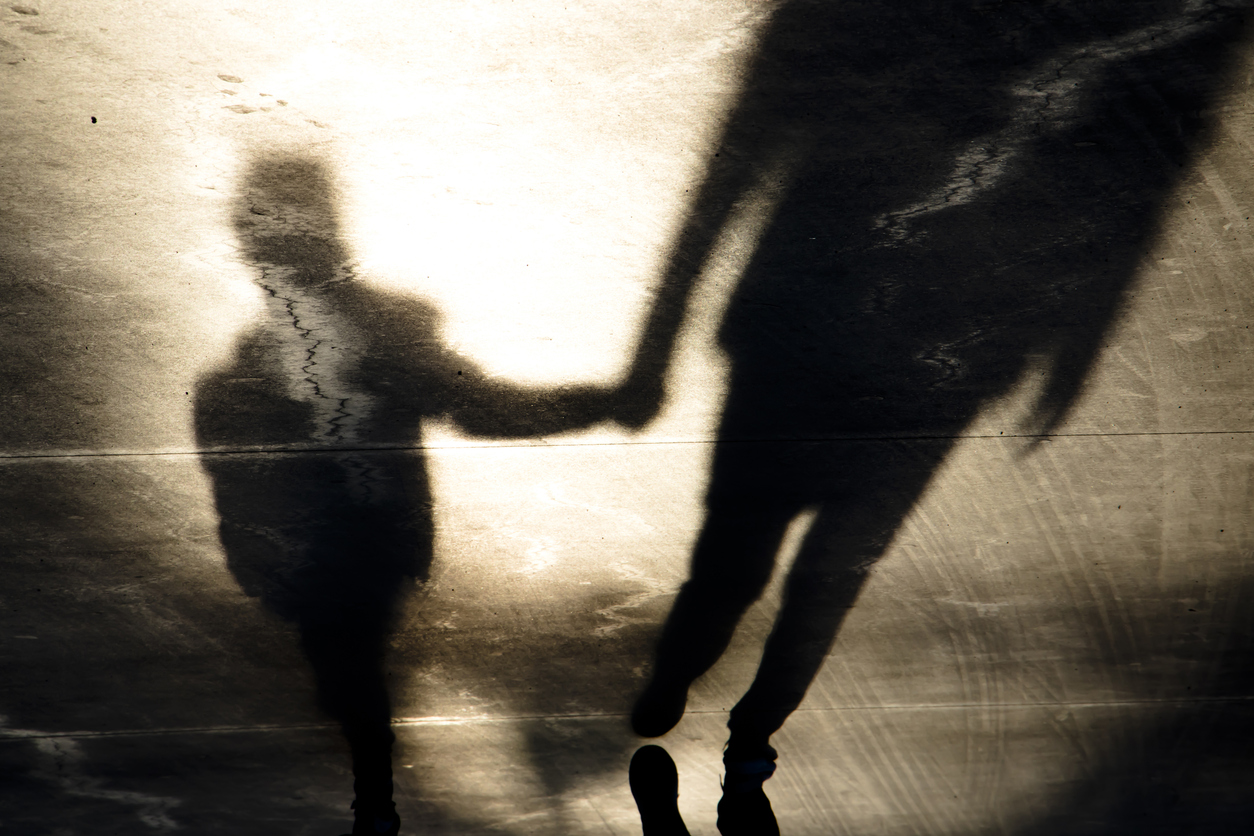
Letting the World Back In
My mom and I have to learn how to trust again
About These Stories
YC runs intensive nonfiction writing programs for teens in New York City, where they’re mentored by a professional editor to write personal stories about their lives and about issues that affect young people. Their stories are then published and read by thousands of teens, educators, policymakers, and other adults who work with and for young people.