
When we enter care we go through all kinds of different situations, but one thing we all face is grief. Now you may not have lost someone through death. But we have to go through so many losses (leaving our parents, moving out of a good foster home, losing friends, changing schools) that it can feel just as bad.
I went through my own period of grief about two years ago. I had a good friend named Vivian. She was a staff at Voices of Youth, an advocacy group, and we got pretty close. I met her family and some of her friends.
She meant so much to me because she always provided emotional support and went out of her way for me. When I met her I really needed a good friend, and when I was around her that’s what she was. She made me feel good about myself and made me want better things for myself. Then she told me she was moving.
I was nave at first, thinking that she would change her mind and stay. But as time went on I panicked because I started to realize that she was really going to move. I thought that we would at least stay in touch, and for a while we did, but then her number got disconnected and we lost contact.
When she left, my world went upside down. I started smoking weed a lot more and soon I was cutting myself again and taking pills. I even ended up in the hospital a couple of times. What hurt me the most was that we had no way to keep in contact. I think losing someone that way hurts just as much as if they had passed away.
It’s been a few years now and my grief has calmed down, but it still hurts. I still go back to her neighborhood sometimes, and I think of her almost every day. But I am hopeful that one day I won’t miss her as much.
The following stories are by teens in care who all went through grief in their own type of way. We hope they show you that it’s okay to grieve for people you’ve lost, that you’re not alone and that there is hope.
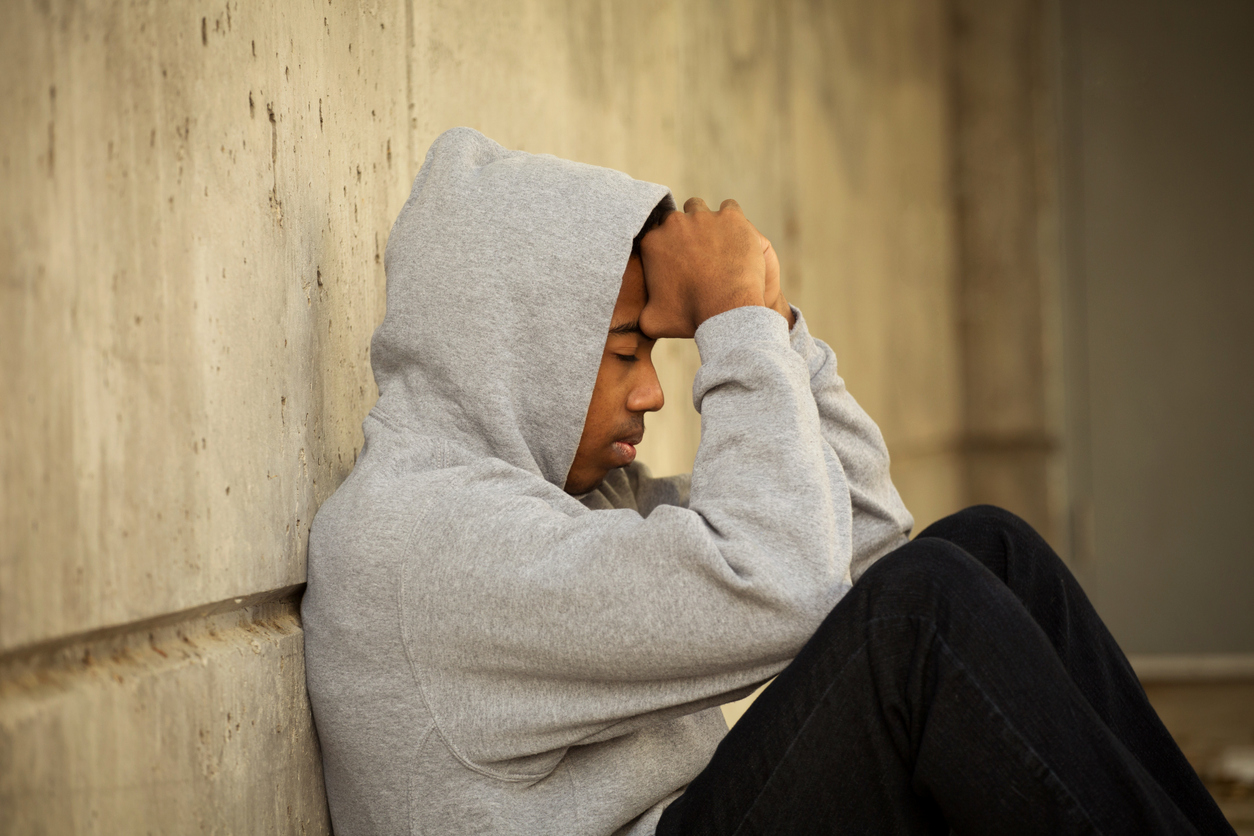
So Many Losses: Dealing with grief in care.
About These Stories
YC runs intensive nonfiction writing programs for teens in New York City, where they’re mentored by a professional editor to write personal stories about their lives and about issues that affect young people. Their stories are then published and read by thousands of teens, educators, policymakers, and other adults who work with and for young people.