
When I left foster care I cut myself off from my family. They never really helped much while I was care. But when my brother moved back to New York, I decided to try to re-connect with my family. I was living in a men’s shelter and I was getting sick and tired of being lonely. My brother and I have a close relationship, so I thought it would be easier to be around my family with him by my side.
I began calling my family and coming around my family’s ‘hood. It would always be on warm, breezy days when the sun was out and people were playing on the sidewalk when I’d stop by my grandma’s. She and I would sit by her window and talk about people on the streets, saying, “He’s a rude person,” or, “Oh, don’t mess with her, she’s crazyâ” and just busting out laughing.
Another time I was sitting with my grandma and my brother talking about a problem I was having. They were giving me advice and we were all cracking on each other at the same time. It made me feel real good inside knowing that my family is willing to help me if I help myself.
The only person I was not ready to connect with was Mommy Dearest, because we don’t have a pretty past. I have not let it go, and I don’t know if I ever could. I just want to hear two words from her, and that’s “I’m sorry.” That would mean a lot, but it still might not mean I could trust her again.
I was also concerned that I would be around my family and flip out, because I have a mental illness that makes it hard for me to control my emotions. One time I really did flip and my fam got pissed at me, but we eventually let it go. That was a relief.
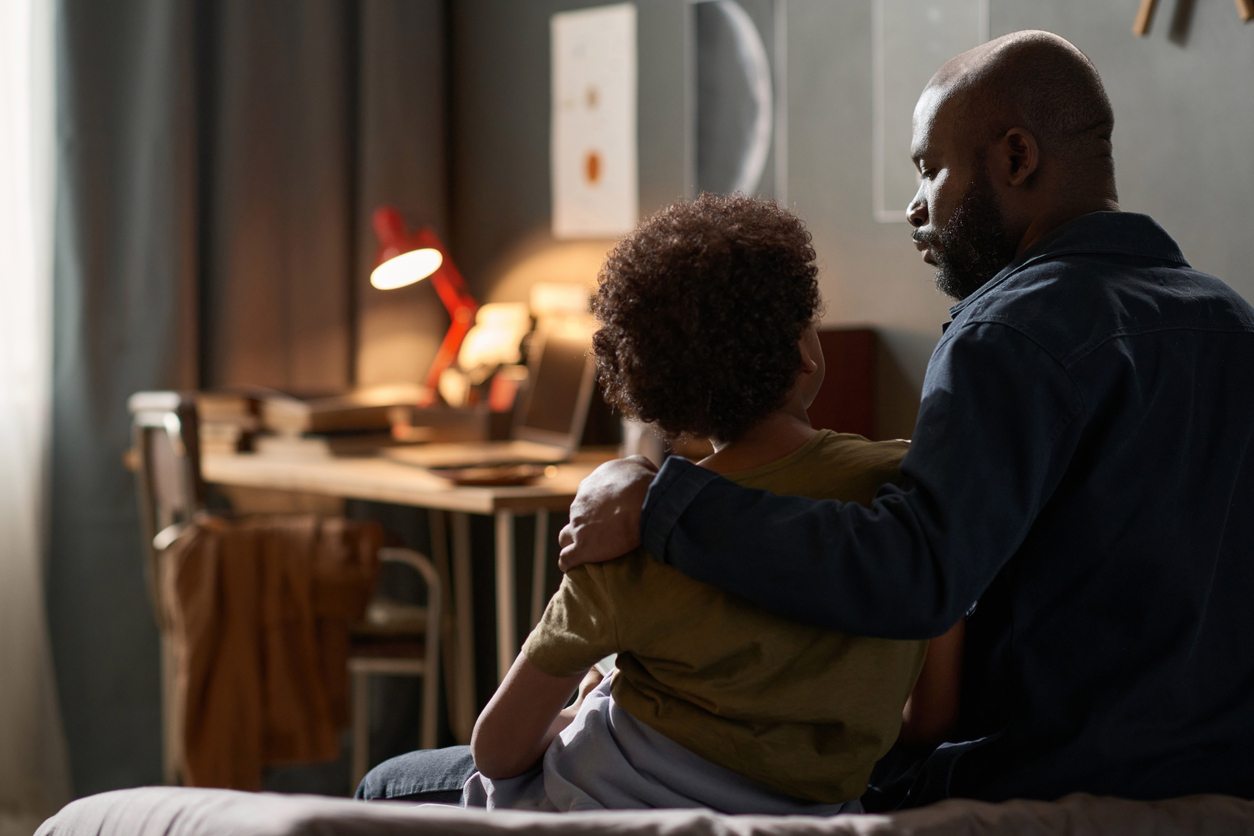
All of us teens in foster care-or aged out-crave the attention of our family, and fear that if we reconnect the painful times will start again. This issue is about how some of us here at Represent have handled the difficult emotions that come up when we try to let our family back in-or not.
-Miguel Ayala
Dear Momâthe Risks and Rewards of Reconnecting
About These Stories
YC runs intensive nonfiction writing programs for teens in New York City, where they’re mentored by a professional editor to write personal stories about their lives and about issues that affect young people. Their stories are then published and read by thousands of teens, educators, policymakers, and other adults who work with and for young people.