
Puma, Nike, Adidas, Converse All-Star, Kangaroo, Spaulding, Pro-Ked, Pony, Jordache-whew! Is there no end to this ever-growing selection of sneakers we can buy?
There’s been a drastic change in the style of sporty footwear in the last five years. I remember the good old days when a pair of canvas Pro-Keds was good enough. Every four months your mother would take you and your brother or sister to your favorite shoe store and buy you canvas Pro-Keds for $10. you’d go home, show them off for about a week, and then you’d work on dogging them up for a new pair.
However since 1977, when Specs came out, sneakers for less than $25 are void. You remember Specs, the first suede basketball sneakers that everybody flipped over. Then came Pumas, Nikes, and the list goes on and on. Actually, Pumas and the lot were around years before but they weren’t as popular.
Iron Those Laces
Thc hottest thing during the summer of 1981 was white-on-green suede Pumas, and the last style everyone had to get was track Nikes. Lately though, nothing really hot has come out. Sneakers (also known as “kicks” and “dogs”) are status symbols nowadays, especially for boys. You can tell a guy is fly if his sneakers are white or if the suede is freshly fluffed and the laces are starched and symmetrically untied.
Also, he must wear a good three pairs of socks to keep his sneakers from flopping off his feet, because it looks really tacky if you can see the dirt on the bottom of a guy’s socks while he’s walking. Plus it helps the feet look wide. Anything less is duckish.
One guy I saw had an extra sock tied around each foot to make the tongue of the sneaker and the laces stand out even more! Some people are truly sneaker freaks.
Getting the right sneakers is only the first step. To be down you must also have them laced right. Everything from elastic to the colors of the African-American flag are used, and if you’re really down you don’t use any laces at all (especially if you don’t have any that match the day’s outfit).
Sneaker Freaks
Sneakers have even changed the way we look at people. How many times have you heard people say, “You mean that guy in the red-on-white Pumas?” or “That girl in the white-on-white track Nikes?” A couple of years ago it was also fashionable to name your crew after a sneaker, like Adidas Crew or Puma Crew.
Your average guy likes to dress as well as his budget will permit, but some kids go overboard. If you know someone who’s constantly brushing the suede on their sneakers with a toothbrush (whether they’re dirty or not), that’s a sneaker freak.
Why Tie?
Some older people (and some young ones too) don’t understand why teens wear their sneakers untied. Let me explain. Sneakers in the $30 to $40 range are worn untied to say, “I don’t need to tie them because I don’t care,” or “I’m too cool and it looks good.” But as with any cool fashion, once everyone starts to do it, it loses the effect it once had, so now you can find the cheapest sneakers hooked up, from little kids to adults.
Untied sneakers go with a style of dress called B-boy-you know, mocknecks, Sharkskins and Kangols. But there are people who don’t dress B-boy who also wear their sneakers hooked up.
I asked a lot of people why they wear their sneakers untied and not one said it related to being a hardrock or being cool. All they could say was. “It’s just the style.” But style or no style, ironing and starching shoelaces comes from vanity in our hearts: we do it because we want to look good!
GLOSSARY
Void-out of fashion
Fly-stylish, well dressed
Duck-square
Down-cool, with it
Crew-the people you hang out with
Hooked up-done stylishly (as in sneakers with starched laces and fluffed suede)
B-boy-a teenager who acts cool, usually dressed in a tilted felt hat, untied leather sneakers, and often a leather jacket
Hardrock-hoodlum
Reprinted from the November 1982 issue of NYC.
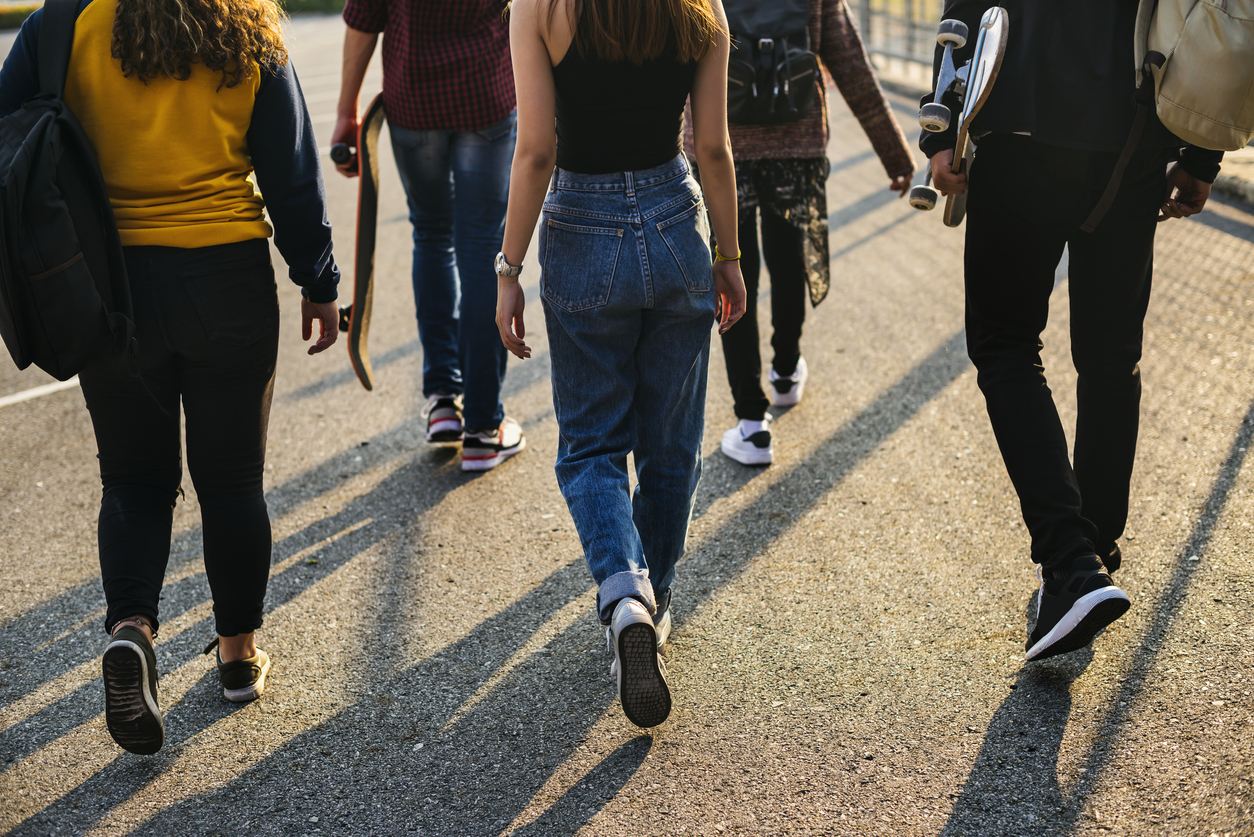
Adidas: All Day I Dream About Sneakers
About These Stories
YC runs intensive nonfiction writing programs for teens in New York City, where they’re mentored by a professional editor to write personal stories about their lives and about issues that affect young people. Their stories are then published and read by thousands of teens, educators, policymakers, and other adults who work with and for young people.