
Marianna is the name of my grandmother, a person who is thankful for life and each new day, even though her life hasn’t been easy.
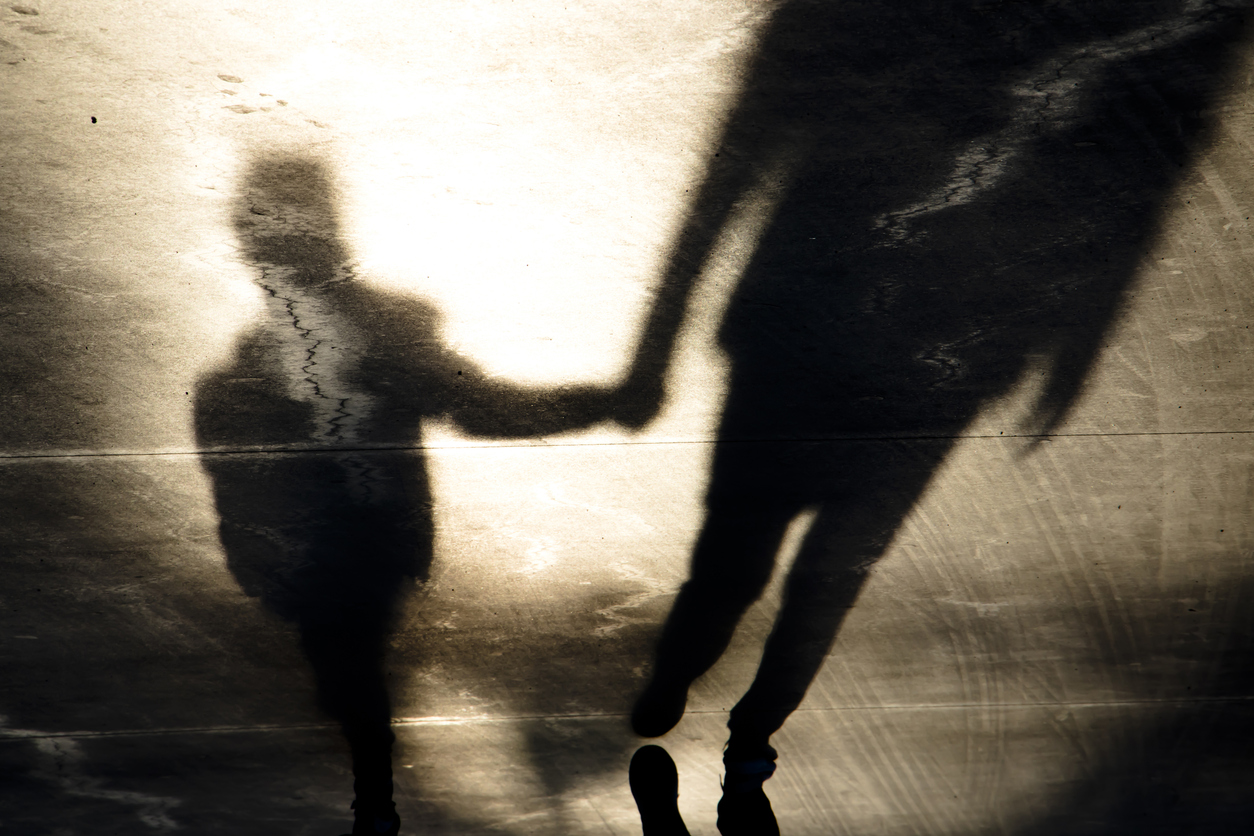
She is one of the most important people in my life. When I was 4, after my mother left Poland to go to America and my father died, my grandmother became my guardian. When I was living with her, she came to my room almost every night, and instead of reading me fairy tales, she told me stories about her life.
My grandmother grew up in a village in Poland where her family was one of the wealthiest in town. However, life was still difficult. She used to walk almost four miles to school with her siblings, six times a week. Each tardiness was punished. When I imagine my grandmother’s classmates being struck by a huge wooden ruler, it makes me shudder.
A Way to Feel Free
My grandmother grew up in a house where children were not allowed to do many things. At home, she never crossed her parents or even raised her voice.
Still, ever since she was young, my grandma found a way to find the best in the life she got. During 7th grade, she joined a drama group. Her long red hair, strong voice and excellent memory helped her get the best roles, and she became popular in the region.
Through acting, she could pretend to be a person she wasn’t allowed to be at home, and she could express herself. It helped her find the balance between two lives: one where she had to control herself and the other where she could feel free.
I wish I could have watched my grandmother standing on the stage. Although I’ve tried many times to imagine her there, it’s hard, because for as long as I can remember, she’s had short gray hair and a delicate voice.
Forced Factory Labor
But her acting days were the last time she was able to shine as a happy-go-lucky person. My grandmother needed her optimism during the hard times of World War II, when Germany, which borders Poland, wanted to take over Polish land.
Poland also had one of the highest Jewish populations in Europe, and became a major site of the Nazis’ terrible plan to kill Jews. In 1939, Nazi Germany invaded Poland and set up ghettoes and concentration camps in many Polish cities; this affected everybody in Poland, Jewish or not.
Polish men were forced by German soldiers to leave their families and work in factories. My great-grandfather was one of them. My grandmother told me how they made him work constantly for two years. Sometimes he had to stay up two or three days without sleep, fearing that if he did fall asleep, he would be killed.
Hiding in the Forest
But one day, it was the soldiers who fell asleep, from drinking too much during a celebration. That’s when my great-grandfather took a chance and escaped. To avoid being recaptured, he walked during the night and hid in the forests during the day. He ate woodland fruits, and sometimes if he was lucky, he found vegetables at farms that he passed.
The trip home took him about a month. When he showed up in front of the family, he had a smile on his face, but he was emaciated.
Whenever my grandmother told this story and reflected on the moment when she finally saw her father again, she had to wipe away her tears. I could see in her face that it was like a dream come true. She told me she would cherish that moment for the rest of her life.
He Refused to Surrender
A few days after his homecoming, my great-grandfather was distraught to see many German tanks coming toward the village. He took his wife, two daughters and son and hid them in a secret basement where they kept food and water. Then he decided to warn his neighbors about the danger.
One of his friends was determined to help him spread the word, but after they went to a few houses, they realized that the Germans were closer than they thought. They hid themselves in a field of grain but a German’s bloodhound found them. As my great-grandfather struggled with the dog, he told his friend to run away.
When the soldiers arrived, my grandmother said, they pointed their gun at my great grandfather. But he didn’t want to become a slave again, so he refused to surrender; because of that, the soldiers shot him. This is how my grandmother lost her father.
Both Our Fathers Died Young
Whenever she repeated this part of her story, I could feel my grandmother’s anger. I knew she would never accept her loss. Everybody has to pass away one day. But, many times, death comes too early.
Both my grandmother’s father and my father, who died at age 41 of a heart attack, left us suddenly. My grandma and I lost our fathers when we were still young, at a time when neither of us was prepared for it. I know we will never accept our loss because it hurts too much.
My grandmother got married very soon after the war, not for love but because she felt she needed to for her family. She gave birth to four children but lost one in a tuberculosis epidemic. Every day she woke before sunrise and went out to the garden where she worked till the time when she had to take care of her children. She went through a hard time in her marriage because she was incompatible with her husband, but I never heard her complain.
Grandma Never Lost Her Optimism
My grandmother looks at people with bright eyes and has good words for everyone. Once she said to me, “I have such a beautiful life.” And even though I know her past, I really believe she feels that way.
My life is a fairy tale in comparison to hers; I didn’t experience even half of what she did. When I sit in front of her, I feel angry about the time that she was born into, about circumstances that she had to go through. But at the same time I feel proud, because despite all that has happened to her, she never lost her optimism and always believed in a better tomorrow.
Now the Atlantic Ocean is the border between my grandmother and me. However, it doesn’t stop us from still having a strong connection of love, friendship and respect.
Not a Fairy Tale
About These Stories
YC runs intensive nonfiction writing programs for teens in New York City, where they’re mentored by a professional editor to write personal stories about their lives and about issues that affect young people. Their stories are then published and read by thousands of teens, educators, policymakers, and other adults who work with and for young people.