
(Some names have been changed.)
“Best Friends Forever” was written all over our notebooks, desks and lockers. We thought we were so cool. We dressed alike, acted alike and wore those half-broken, fake-silver lockets from the 99¢ stores that split “best” and “friends.”
Amber, Lora, Violet, Sarah and I knew each other from 1st grade, but it wasn’t until we were 10 that we came together as a group. On Friday nights and Saturdays, we went to the movies and stayed up all night at one of our homes, talking about boys and dreams.
We also stayed out late and played music loudly, or, in the daytime, stole things from stores and annoyed people on the streets.
We were the troublemakers of the class who made fun of other kids and didn’t listen to teachers. We usually got kicked out of class or suspended.
I had fun getting in trouble, because I felt cool. I knew I did bad things, but since my friends were doing them, I did too. I wanted to fit in, so I never gave myself the opportunity to explore different friendships or activities. In my head, my friendship with the group was the only way not to be an outcast.
I went to a small, private all-girl Jewish school. My class had a few cliques: the goodie-two-shoes, the smarty-pants and the rebels. The rebels were my friends. I’d tried to become friends with other girls when we were younger, but felt like they didn’t like me.
And when I was older, my group made fun of them. My friends said that no one in class liked us because they weren’t as “cool” as us. My other classmates knew I was part of that clique, so I thought that if I decided not to hang with those girls anymore, the others still wouldn’t like me because I’d been a “rebel.”
Had Conflicts, But Still Connected
Because of this, I felt anxious whenever my clique had conflicts. Sometimes we had petty fights where we ripped things up or spilled juice and soda in each other’s lockers. My biggest worry when we fought was that I would have no one to talk to in school since they were the only kids there for me.
But change was coming. When I was 12, my grandfather died, which inspired my family to become closer to our religion. From this time on, my family and I started following Jewish laws and customs more closely. [See sidebar.]
That meant keeping Shabbat, which was from sunset on Friday till sunset on Saturday. On Shabbat, we couldn’t do many things that we normally did during the week. We couldn’t talk on the phone, drive a car, or use electricity. Also, orthodox Jewish law states that girls should dress modestly, which means wearing skirts that cover our knees.
Relationships Changed Due to Religion
At first, I didn’t like these ideas and rebelled against them. But I eventually tried to live by them for my own good and for the respect of my family.
My relationship with my friends changed. I couldn’t come over to their houses anymore on Fridays and Saturdays. And when we went shopping, I bought long skirts as opposed to the jeans and shorts I used to buy.
I didn’t tell my friends that I was becoming religious, but they soon figured it out from my behavior and began to question me.
Even though we went to a Jewish school, none of my friends closely observed the religion. They believed that anyone who was orthodox was brainwashed and weird.
Still Tried to Fit In
Sometimes they’d bad-mouth religious people as they walked past them. I didn’t share the same feelings that my friends did, so I usually didn’t curse at religious people.
Sometimes, though, I did, just to fit in. And at times, I’d skip school or steal things with them, even though I felt like I was contradicting the laws of my religion.
I still tried to be part of the clique, but my friends made it difficult. They talked among themselves about what they did on Friday nights, speaking loudly so that I could hear. I felt bad that they were having so much fun without me.
Asked to Lie
One day at school, about two months after I began to keep Shabbat, Amber came to me and said, “Are you coming to the party Friday night?”
“No, I can’t make it,” I said. “It’s Shabbat, remember?”
“Oh, please. Sleep over my house and you can come to the party,” Amber said. “Just tell your parents you’ll keep it at my house!”
I looked at them and thought to myself, “I could go to the awesome party… But I don’t want to lie to my parents…”
“So, are you going to come?” Violet asked. They backed me up against a wall. I was getting nervous and confused.
“No,” I spit out.
Then Lora said, “You know, you’re really out in the sky-with your long skirts. You’re rejecting your friends for your parents. It’s just the first step to becoming a total loser.” Then they rolled their eyes and walked away.
So Dropped, So Shocked
My mouth dropped to the floor. I was so shocked. I thought they were my friends! I thought they’d eventually accept who I was becoming.
When I came home and saw my grandma, I cried, “Guess who didn’t have a good day in school?”
“What happened?” she said. “Well”-and I started blabbing-“My friends were really not nice to me today. They are leaving me out of everything, just because of this Shabbat thing! I hate this!”
Grandma looked at me with such disappointment. “You call these your friends? Friends accept who you are! For them”-she raised her fragile finger at me-“you don’t lose sight of your goals! Now go wash your face, and stop crying about this!”
Grandma’s words helped. I needed reassurance. Still, the next few weeks were bitter. My friends stopped asking me to go to lunch. They never invited me over after school and stopped calling me or writing me e-mails.
I told myself not to let it affect me too much, to just let it go. But I felt lonely and crappy because I didn’t have friends to chill with. When I saw my ex-friends in class bickering among themselves, it drove me nuts.
Sometimes, I thought about giving up my beliefs. But I knew that even if I did, I wouldn’t give it up for them. They were the ones who said we’d be friends till we die. And they were the ones who turned their backs on me. So I ignored them back, and made believe it didn’t bother me one bit to be ignored.
Fortunately, my parents and I started to connect more. They too had problems coping with their religious changes. At work, my father had problems with his partner, who wasn’t religious and didn’t want to accept my father’s change.
And my mother’s friends were on the verge of breaking up their friendships since we couldn’t go to nonkosher restaurants or Friday night get-togethers.
At times, I talked to my parents about my problems with my friends, which I enjoyed because there weren’t many people I could talk to. Many times, I didn’t have to speak. I just heard their problems and immediately felt a connection with them, which helped me feel less alone.
A Writing Solution
I felt depressed at times, even though I tried to be happy and not show my problems. I didn’t like to talk about my hard times. But sometimes my problems felt like millions of spiders crawling over me, and I couldn’t get them off.
One day, I found my solution. As I walked into Rite Aid’s school supplies department, I saw the cutest journal with puppy and flower illustrations. I have no clue why, but I bought it, not knowing where it would lead me.
I wrote in my journal daily, trying to keep up with my feelings by writing them all down. I would sit outside on my balcony, stare at the sky and think. Then I’d look down and see the ink paint a picture of my life in words.
Decided to Make New Friends
Journal writing became a daily ritual. I wrote about my once-upon-a-time friends and gave myself advice. I came to a written conclusion that I should become friends with other girls in my school, even though I was concerned they’d reject me.
By 7th grade, I began to miss my old friends less as I spoke to other girls in class and showed interest in their ideas. I realized with much surprise that the people in my class didn’t automatically dislike me. They were OK being friends with me as long as I respected them. I was amazed and excited to find life out of the old clique.
I became closer to Julie, a sweetheart who had no clique because she was friends to all. Julie and some other friends I’d made were involved in a lot of school activities and asked me to help them. So I began to do things like tutor little kids and decorate our building for holidays.
Became School President
I soon became popular in my school because of all my activities. In the 8th grade, I became school president with Evy, who was queen of the goody-two-shoes clique. I hated her from the 1st grade because of the “I’m too good for you” image she gave off in my mind.
However, while working hard for the school as presidents, we became close. I’d felt intimidated by her because she was so smart, but after getting to know her, that fear went away.
When I started speaking to Evy and Julie, I realized they’re funny and caring. And that they appreciate friendships. Because they accepted me, I learned to comfortably juggle my religion and social life. They made me realize that following my religion didn’t mean I couldn’t have fun with them.
Not Interested in Old Clique
My former friends began to realize that it would’ve been OK to be friends with me. They tried to talk to me, but I didn’t care for their friendship anymore. So I explained to the group one day at school that we now have nothing in common and that our friendship can’t be reestablished after what they did.
But I am thankful that they were my friends once. They helped me realize that if some people don’t like you because you want to be yourself-it’s OK.
I respect myself so much for not caving in to them, even if I had to find myself by writing in my journal and talking to my family. While I had fun times with my old clique, I don’t miss our friendship, because I enjoy the ones I have now so much more.
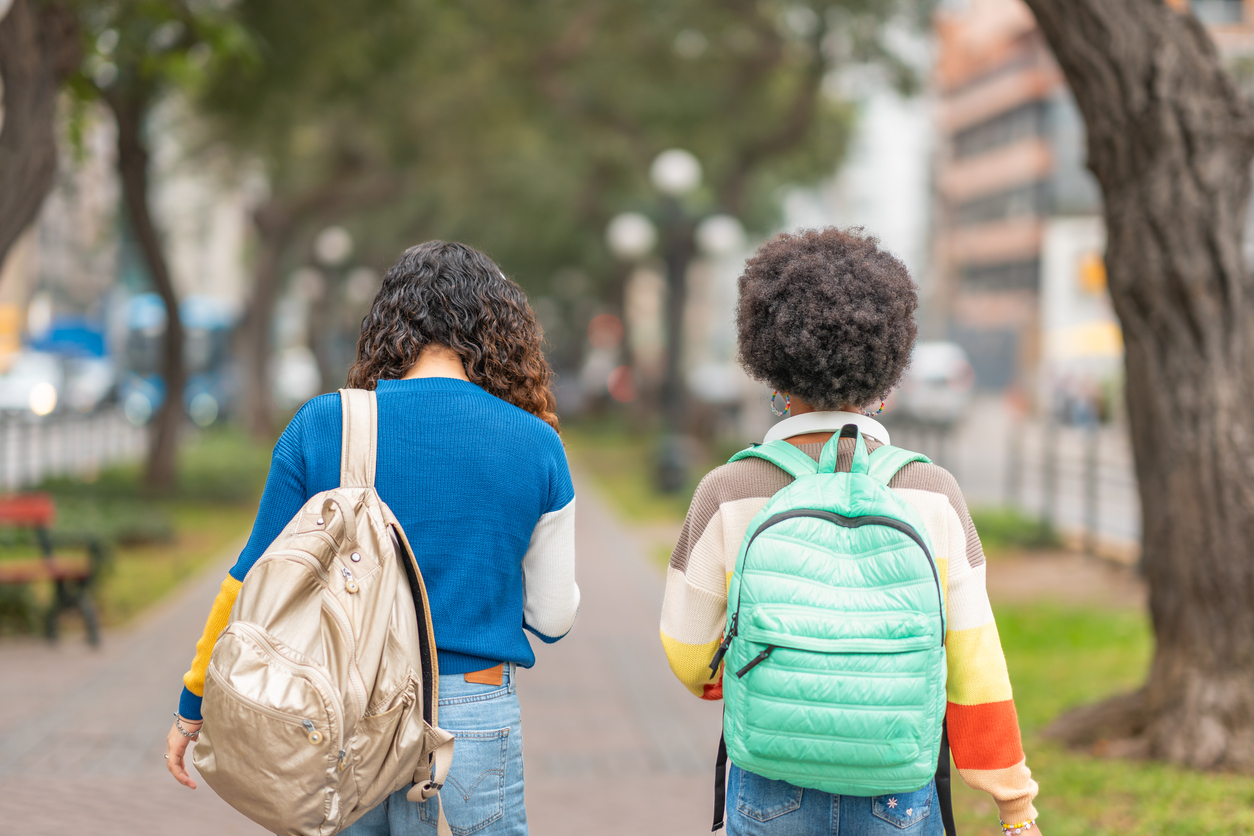
Friends No More
About These Stories
YC runs intensive nonfiction writing programs for teens in New York City, where they’re mentored by a professional editor to write personal stories about their lives and about issues that affect young people. Their stories are then published and read by thousands of teens, educators, policymakers, and other adults who work with and for young people.