
Even though my Eastern European Jewish background is only part of my heritage, it has had a tremendous impact on who I am today.
My dad is Puerto Rican and Methodist, but in Jewish law, the child is Jewish if the mother is. My parents agreed with this before I was born.
When I was in 1st grade, my mom started sending me to Hebrew school to gain a better understanding of who I am. I went there for nine years.
Still, my mother and I are more secular than religious. I define myself as a Jew by culture. For example, I fast on Yom Kippur, the day of atonement, but not so that I can ask God for forgiveness. It’s so that I can think about what I’ve done over the year for myself.
An important part of my Jewish heritage is my camp, Shomria. Camp is a tradition in my family. My mother’s parents met at Camp Galil in Pennsylvania, which they’d gone to since they were 9. Their camp is part of Habonim Dror, a socialist Zionist youth movement.
A Socialist Movement
Its goals are to create and maintain a commitment between Israel and American and Canadian Jewish youth. The principles of social justice, equality and peace in Israel and North America guide the movement.
Socialism, a system that emphasizes sharing over competition, is another major part of the movement. I’d learned about socialism from my family, and always thought it made more sense than capitalism.
Socialism exists in Israel on a very small scale, on kibbutzim. These are small self-sufficient societies in Israel where everyone does a job they’re good at, whether it’s working with animals or building homes. Everyone works in cooperation rather than competing against each other like in a capitalist society.
Disappointed by First Camp
My grandparents sent my mom and her three siblings to Camp Galil also. They said they had a strong cultural and socialistic experience and wanted my cousins and me to have the same.
But when I visited Camp Galil with my mom when I was 12, it seemed American-ized and cheesy. All the traditional Jewish songs they sang were English translations. They also did a song that was a reinterpretation of the Backstreet Boys’ “I Want It That Way,” except here, the title was “I Want It the ‘Habo’ Way.”
The kids seemed superficial and didn’t acknowledge socialistic principles. Instead of being united, they sang taunting cheers at each other. “We are [the age group called] Bonim! Mighty mighty Bonim! Put us to the test, we are better than the rest!”
Little Sense of Community
There was some Jewish culture-they had Israeli folk dancing and lit candles for Shabbat-but little sense of community.
That’s not what I wanted. I wanted to have a very different cultural experience from my daily life. I wanted to be someplace that was noncompetitive, and this camp clearly did not meet my standards.
After this experience, I didn’t trust my family’s judgment on what Israeli culture is and what constitutes a community-oriented camp. I told this to my grandparents. My grandfather said that, upon revisiting the camp, he definitely felt a change in the spirit of the kids since he was there.
“Regardless of what that camp ever was, those people don’t intrigue me,” I said. “I’m not going there, ever.”
A New Camp
Two years later, my friend Alisa and I were talking about summer plans. She was going to a camp called Shomria in upstate New York. When she told me that it was part of Hashomer Hatzair-a more Israel-based, less Westernized version of Habonim Dror-I thought it was worth a try.
When I told my mom, she was happy that I’d found a camp like the way Galil used to be, despite it being the “competition” camp.
While driving up to Shomria towards the end of a hot July, we reached a sign that said “Camp Shomria, This Way.”
Pre-Camp Jitters
I turned to my mom. “I’m nervous, I want to go home,” I said. “I can’t go. Let’s go back. I saw a nice movie theater in a town a few minutes ago.”
“You’re being silly. You know you’re going to be fine,” she said. “And if it’s really so bad, there’s a phone. You call, I’ll pick you up.”
“I’m still scared. What if those few days before you pick me up are horrible? I won’t make it through! No one is going to be my friend!”
“You’re going to love it. I’ll come get you if it’s that bad!”
“But Momâ”
Warm Welcome
We continued like this until I arrived at the camp. I was immediately attacked with an ecstatic hug by Alisa. And I received warm welcomes from everyone I was introduced to, from the youngest campers, who were 8, to the oldest staff, who were 23. Still, I was nervous that I wouldn’t get along with other campers.
I was so wrong. My first day there, our age group had an activity in which we discussed our futures and how we felt about accomplishing our goals. When I spoke, I said that I wasn’t completely confident that I’ll be successful as a dancer. People listened, were compassionate and responded with their own similar experiences.
I felt honored that I was being treated like one of the clan on my first day. As camp rolled on, I found that the principles of the camp-trust, sharing, Zionism, valuing one’s history-were my own.
Every couple of days, we had activities where we discussed our camp’s ideologies. We talked about how Hashomer principles may differ from our personal opinions and how these principles should be applied in real world affairs, like the Palestinian-Israeli conflict.
Loved to Scrub
During work time, we washed dishes or scrubbed the bathroom. Staff and campers alike work at evenly distributed tasks. For instance, every morning, each age group of campers is given a specific area to clean, like bathrooms, fields and recycling areas. I started to look forward to these tasks because working together was fun.
Also, no one at camp has her own personal stash of money or food. Everyone contributes what they have to the “kupa,” which is group wealth that’s shared by everyone equally, regardless of how much each individual contributes.
With food, a certain amount is distributed each day by an elected monitor. With money, a different elected monitor distributes whatever we can afford to give so that each member has the same amount to spend when we go to town or other places where we need spending money.
Shortly after my arrival at Shomria, I felt like I’d been there forever. That summer, I fell in love with not only the people at the camp, but the ideology and values of the movement. Everyone seemed dedicated to creating a loving and open environment. I loved that we had each other’s backs.
Stayed at Shomria
I continued attending the camp through its non-summer sessions. After two years, I entered staff. Campers who want to stay on past the age of 16 become counselors.
When I first started, I didn’t have my own kids. My job was to plan activities for the entire camp. But during the 2001 fall session, I was a counselor for a group of 8th graders. At our winter session, my kids will be 9th graders.
I love having Hashomer Hatzair as a part of my life, and feel dedicated to its ideals. I don’t feel the need to be in synagogue every week to show my commitment to my religion or my people.
I’m confident in my identity as a Jew through my understanding and connection to Jewish history, its place in the world today and my being an educator who helps kids find their own connection to their Jewish background.
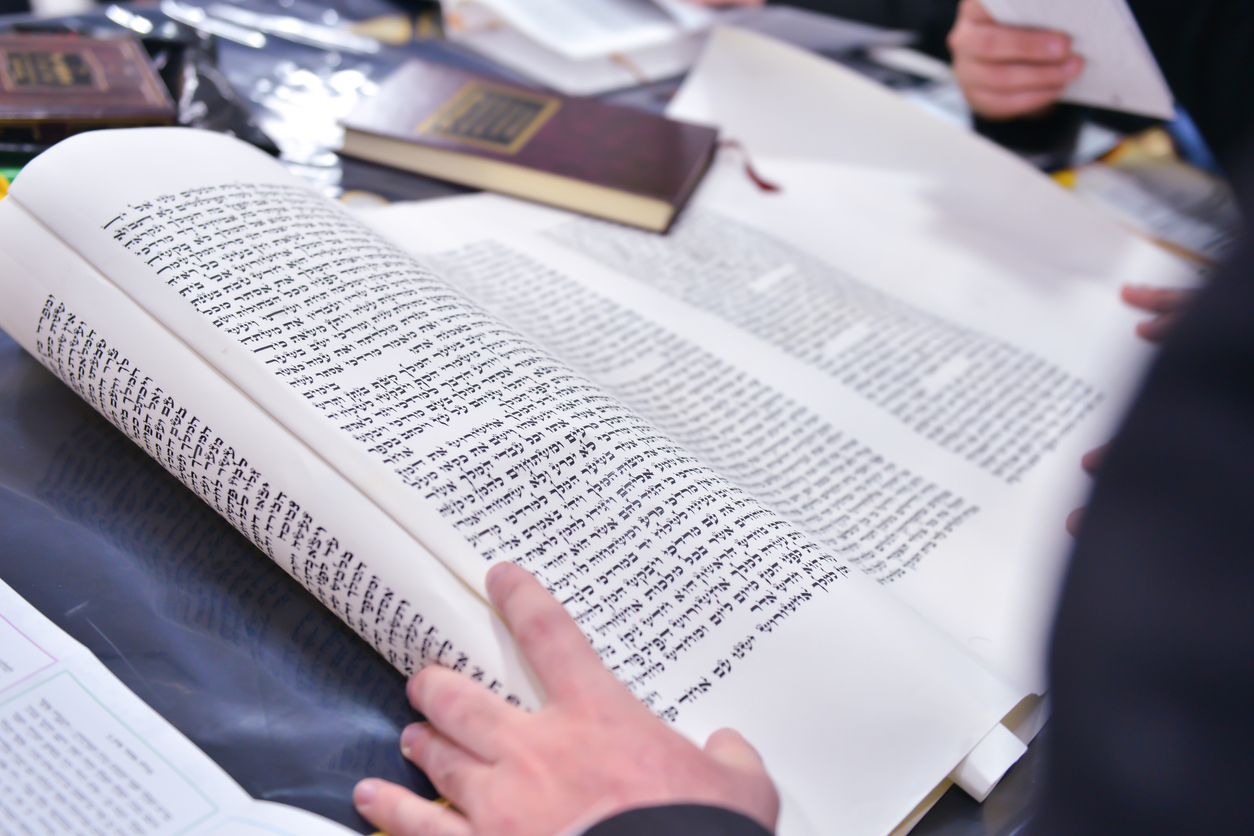
Camp Heritage
About These Stories
YC runs intensive nonfiction writing programs for teens in New York City, where they’re mentored by a professional editor to write personal stories about their lives and about issues that affect young people. Their stories are then published and read by thousands of teens, educators, policymakers, and other adults who work with and for young people.