
Anti-depressants aren’t happy pills and they won’t make a person happy, they’ll just make you able to function, get out of bed and handle the day. I’ve seen teens go on anti-depressants and it helps them relax, sleep, not be as anxious.
I don’t like it for a young person to be told that they have to be on anti-depressants. But I also think that there’s a lot of resistance because there’s a lot of misconceptions about anti-depressants.
A lot of people think anti-depressants will make you an addict or they’ll make you all spacey. A lot of people think taking medication is a sign of weakness. They think you should be able to handle your own problems. But often depression is something that you can’t help. It’s like taking asthma medication if you have asthma. You need that medication to maintain yourself. If you’ve always had depression, I can’t imagine why you wouldn’t try it.
Anti-depressant medication is not an exact science, though, and sometimes you have to try a few different medications before you get the right one.
Often kids experience a numb feeling or other side effects, like nausea or sleeplessness, so anti-depressants have to be closely monitored and there has to be good communication between the doctors and the patient. You have to ask a kid if the medication is helpful. The kid can say if it’s not. Then the drug has to be changed or the dosage reduced.
Are you a caring adult looking for more stories to help your youth? Go to HeretoListen.org , a resource for the front-line staff in schools and community based programs to help teens who are struggling with difficult emotions.
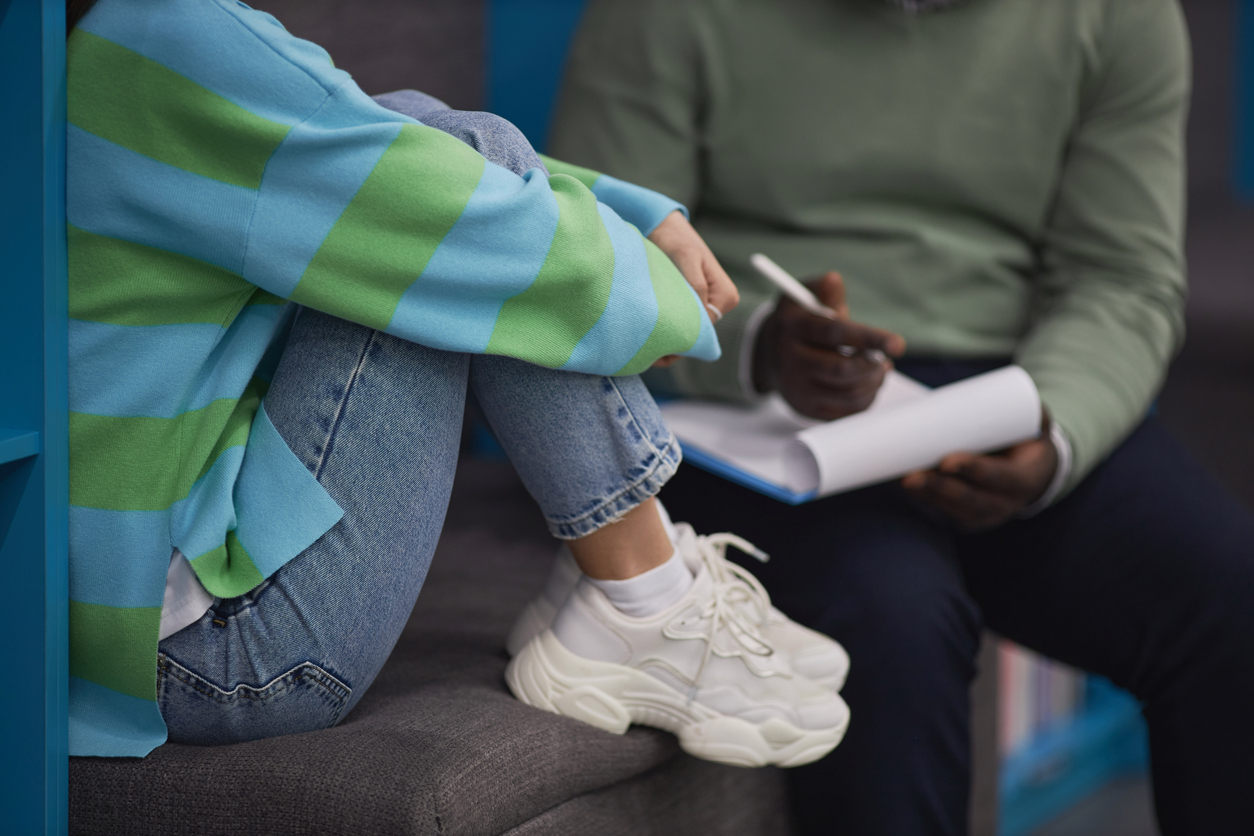
A Therapist’s Perspective on Meds
About These Stories
YC runs intensive nonfiction writing programs for teens in New York City, where they’re mentored by a professional editor to write personal stories about their lives and about issues that affect young people. Their stories are then published and read by thousands of teens, educators, policymakers, and other adults who work with and for young people.