
On January 15, a lawsuit was filed on behalf of gay, lesbian and bisexual teens in New York City’s foster care system. The lawsuit charged that gay, lesbian and bisexual teens are regularly getting abused because of their sexual orientation. One of the plaintiffs said that while he was in the system, he was thrown down a flight of stairs, had his nose broken and was hit in the face with a broom-all because others thought he was too feminine.
To help stop this kind of abuse, the lawsuit called for staff training which would help make all placements safe and supportive of gay, lesbian and bisexual teens. It also called for “safe houses,” which are special placements for gays and lesbians, where the staff and the residents are supportive of gay, lesbian and bisexual teens. New York City already has one safe house. It’s called Green Chimneys.
Green Chimneys is a group home in Manhattan for gay males. It’s the first group home in New York where 98% of the population is gay. I recently visited Green Chimneys to talk to gay teens about their experiences in the foster care system. I also wanted to see what it’s like to live in a safe house for gays.
A Fun Place
When I stepped in Green Chimneys, my first impression was, “Damn, I wish I lived here.” Green Chimneys seemed like a fun and outgoing place where males between the ages of 14 and 18 could relax and just chill. I mean, I was not there every day to see the fights and stuff, but what I did see was males hanging out or going outside. Some people were chillin’ with the TV, while others were doing each other’s hair. There was also a group of males who had made a movie starring people in Green Chimneys.
The Green Chimneys residents said that part of the reason why they like Green Chimneys so much is because it’s a safe place to be gay. They said that in other placements they’ve been in, they suffered a lot of abuse. Abuse, both physical and verbal, plays a big role in being gay in the system.
Abusive Staff
And it’s not only residents who abuse gay males. Staff also start the drama. The life skills coordinator at Green Chimneys, Kevin TeCarr, said, “While working at another group home, I have seen staff yell out that a resident is gay just so everyone could find out, and [the staff] would allow the residents to beat up on them.”
No Longer Depressed
This kind of abuse causes a lot of kids in the system to pretend not to be gay. While hiding your true identity, Kevin said, “causes stress and abuse, coming out [letting others know you’re gay] causes stress and more abuse.” Meaning if someone has to hide who they really are, they’re abusing themselves. But if they don’t hide who they are, people may abuse them for being “different.”
At Green Chimneys, I spoke to several males about their lives in the foster care system before Green Chimneys. Harry, 17, told me that he was forced to be at Green Chimneys because he couldn’t handle the way he was being treated by people because of his sexuality. He said he was fat and had no self-esteem. Being gay added more of a burden. Now, after coming to Green Chimneys and being around a lot of gay males, Harry said, “I’m no longer depressed.”
Feeling Unwelcome
Terrel, 15, said that his first impression of Green Chimneys was, “Who will I sleep with first?” Terrell said this with no type of shame in his game. Terrel also told me that unlike other placements he’s been in, Green Chimneys made him feel welcomed and like he was somebody. “In other placements I was treated like a dog, like a nobody,” Terrel said.
Alderman, also 15, said that Green Chimneys provides him with a place where he can be free and act like himself without getting verbal or physical harassment for it. Alderman had only been in the system three months, but he said that he’d already experienced torture because of his sexual preference. He said he’d been sexually abused because he was gay, and raped by a homophobic counselor. Alderman said that he never reported the rape out of fear for what would happen next.
No More Hiding
Kevin TeCarr, the adult staff member at Green Chimneys, can back up that this kind of abuse happens. He says that in other group homes he’s worked in, he has seen the straight staff ask gay males for sexual favors. “People forget how to treat people once they find out they’re gay, Kevin said.
To help prevent these things, there needs to be training to teach staff how to treat gays and lesbians in the system like the human beings that they are. There also need to be more safe houses, like Green Chimneys, where gays and lesbians don’t have to choose between hiding who they are and suffering the abuse that comes with being themselves.
Safe houses like Green Chimneys are bandages for all of the cuts and abuse that take place in other group homes. At Green Chimneys, gay staff can come out without fear of losing their jobs or being accused of having residents as sexual partners. And residents at Green Chimneys say “you can be more out,” meaning you can come out without stress. It is a place where gays can be themselves without abuse-and it’s important to be able to be yourself, whatever your sexual orientation. “It’s not about the sex we have,” said Kevin, “it’s about our spirit and soul.”
Celebrate Differences
All of this is good, but there’s a deeper problem-society. As a whole, society has to find a way to prevent physical abuse and hate crimes from happening to gay people. And, as Kevin said, “Society has to be in a different state of mind for things to change.” One way we can do this is by being educated on gay and lesbian people. In history class at school, why not talk about the gay movement when you talk about the civil rights movement? Why not stop allowing kids to call each other faggots and other offensive names? Why not start educating kids about gays and lesbians at home? If a parent points out to his child that a gay male or a lesbian is “different,” that child might grow up thinking that “different” is wrong or not acceptable. Why not celebrate differences instead?
The residents of Green Chimneys do this. Hopefully more group homes for gays and lesbians across the country will form and start doing so as well. In the meantime, do your part-do everything you can to stop the abuse of gays and lesbians in the system.
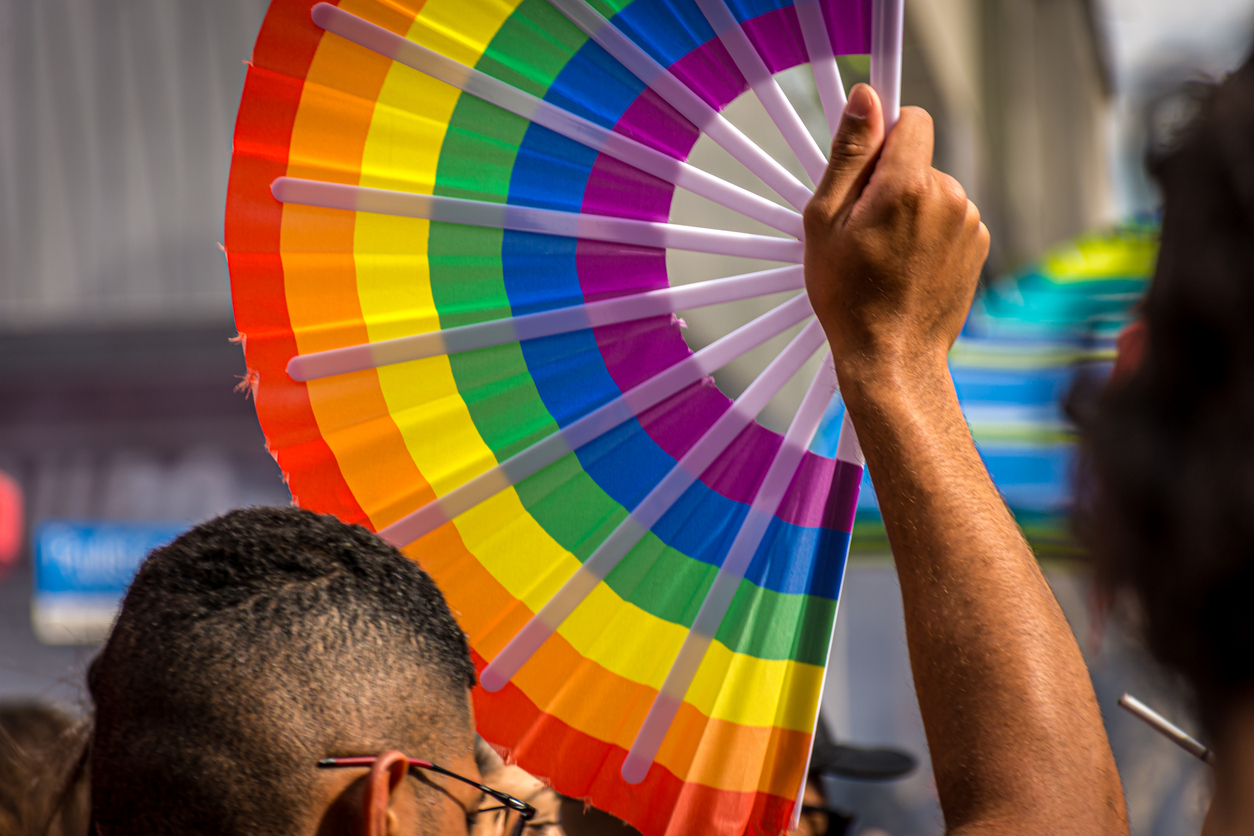
It’s Not Easy To Be Gay in the System: A Visit to a Group Home for Gays
About These Stories
YC runs intensive nonfiction writing programs for teens in New York City, where they’re mentored by a professional editor to write personal stories about their lives and about issues that affect young people. Their stories are then published and read by thousands of teens, educators, policymakers, and other adults who work with and for young people.