
What is the main reason kids have to go into foster care? Technically, the only three valid reasons are abuse (which can be physical, sexual, or emotional), neglect, or the death of the biological parent(s). In some cases, children are handed over by their parents willingly (through “voluntary placement”) if the parents feel they can’t control the kids.
But these are legal reasons. The real question is: Why do these situations happen in the first place? Why are so many children being abused and neglected? Why are there approximately 41,000 children in foster care in New York City? And why are about 97% of them Black, Hispanic, Asian, or inter-racial?
Mostly Neglect
To understand why kids are going into foster care, we’ll have to look at some basic facts. In New York City, it is a fact that 90% of children removed from their homes are removed because of neglect by their parents (this includes kids going to school with dirty clothes, kids being left alone at home, etc.). Only about 10% of kids go into care because of severe physical or emotional abuse.
And of the children removed in New York City, it is estimated that about 75% have parents who are known to have alcohol or drug problems. Most of these parents are poor and most of them are Black or Hispanic.
There is no evidence that any one race neglects or abuses their children more than any other. But the numbers speak for themselves. Only about 1,200 of the 41,000 children in foster care in New York City are White. The other 40,000 is made up of Blacks, Hispanics, Asians, and inter-racial children.
Why, then, are Black and Latino kids over-represented in the system if no one race or group of parents neglects or abuses their children more than any other? Does poverty have anything to do with it? And why do many people believe that the large numbers of Blacks and Latinos in the system is the result of a “conspiracy?”
Conspiracy Theory
Many people who have dealt with foster care in any way (including parents, activists, and even social workers) believe that the overwhelming numbers of Blacks and Hispanics in the system is reflective of racially-biased government practices.
The reason Blacks and Hispanics lose their children more often is not because of abuse or neglect, they say, but because the government has launched a “conspiracy,” or an organized plot to devastate Black and Latino families. Those who believe in a “conspiracy” point out that it isn’t happening in New York City alone.
In the entire United States, there are about 500,000 young people in foster care (meaning foster homes, group homes, and kinship care). According to most recent statistics, about 64% of these kids are Black or Latino, even though these minority children represent about 30% of this country’s children.
The Effect of Poverty
Indeed, Blacks and Hispanics are over-represented in a lot of negative statistics-including poverty, which most experts believe is the main reason behind the racial imbalance in the foster care system.
For example, in 1994, 75% of all Hispanic babies in New York City were born into poverty. The same for 62% of all African-American babies. All this in one of the richest cities in the world.
On the other hand, 24% of White babies in New York City were born poor-still a high figure, but much lower than that for Blacks and Hispanics. Black and Hispanic people are much poorer than White people in New York City-and in the nation as a whole.
In 1995, more than one out of every five children in the U.S. was poor. For children age six and younger, the rate is one in four. And poverty in the U.S. is growing-in 1969, 14% of U.S. children were poor, but in 1995 the figure was 21%. (And the U.S. is the richest country in the history of the world.)
What does poverty have to do with foster care? Experts agree that poverty is what leads to the stressful conditions which leave many families vulnerable to neglectful or abusive situations.
These conditions include: lack of jobs, absent fathers, drug or alcohol abuse, teen parenthood, inadequate housing or a lack of housing, violence in the home, and deteriorating neighborhoods. But the government doesn’t seem to be doing enough to help poor families out. In fact, spending for preventive services (like therapy, substance abuse counseling, and job referral) to keep families together and children out of foster care increased only 1% in New York City between 1996-97, even though the number of kids removed was up 25% in the same time period.
This may partly explain why some areas of the city (like the South Bronx, Harlem, and Central Brooklyn) are still leading the pack when it comes to children at risk. These areas (mostly Black and Latino) send the most children into foster care.
In fact, based on all the evidence presented, one can come to a simple conclusion. There are more Blacks and Latinos in the foster care system because, due to the high (and increasing) poverty rates among them, they are more exposed to the devastating social problems-drugs, violence, and inadequate housing- which can often lead to the abuse and neglect of children.
The Root of The Problem
So, although I would avoid saying that an organized conspiracy is at work, it is still safe to say that the reasons behind the large numbers of Black and Hispanic kids in foster care are not connected to “bad parents,” but to government policies which keep them from being able to adequately care for their children.
Because if 75% of all kids who enter the system in New York City (the overwhelming majority of whom are Black and Hispanic) eventually return to their parents or to relatives, couldn’t more have been done to keep them from being separated in the first place?
But, as always, even though we know this, we must still hope for the day when the politicians themselves finally realize (or when someone forces them to realize) that this alone is the root of the problem.
Sources: Child Welfare League of America, Child Welfare Watch, Citizens’ Committee for Children of New York.
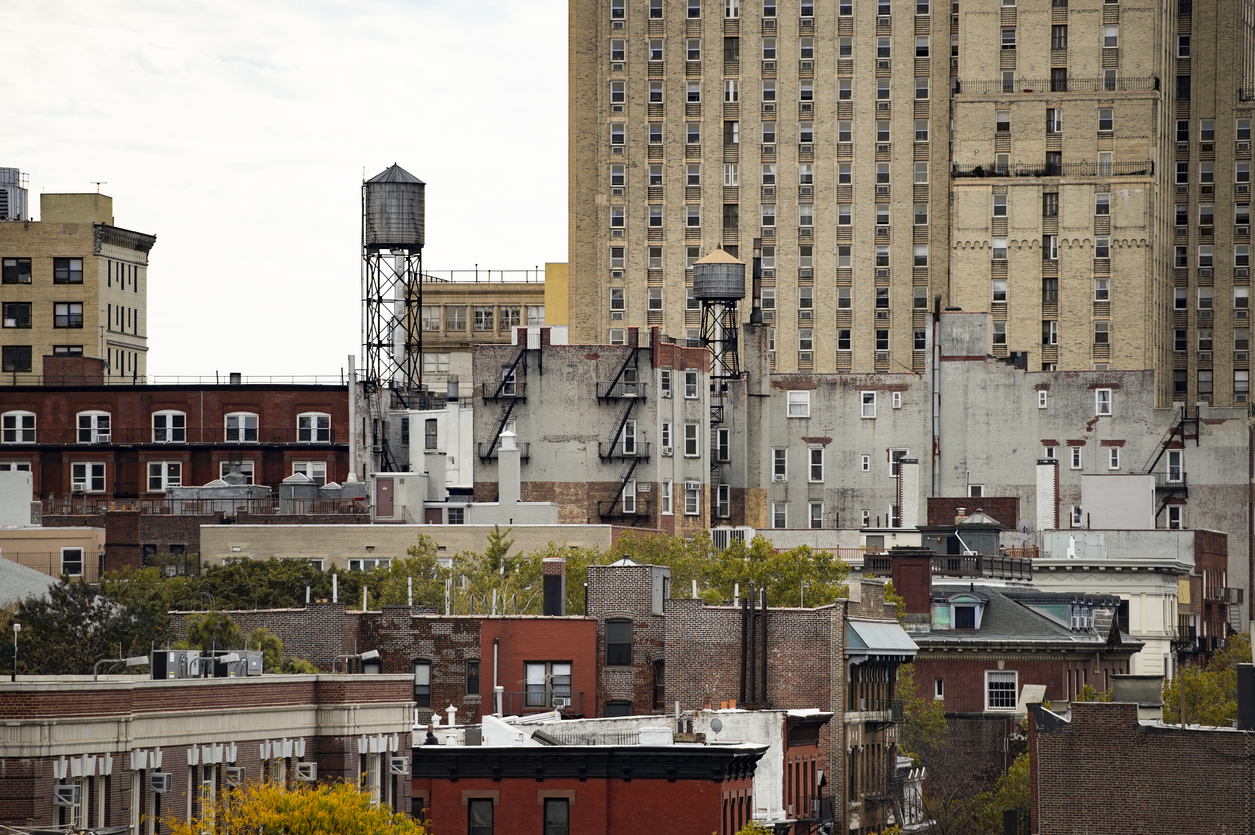
Who Goes Into Foster Care and Why?
About These Stories
YC runs intensive nonfiction writing programs for teens in New York City, where they’re mentored by a professional editor to write personal stories about their lives and about issues that affect young people. Their stories are then published and read by thousands of teens, educators, policymakers, and other adults who work with and for young people.