
Gays, lesbians, and bisexuals have been around for a very long time, and society still can’t accept them. Here it is 1992 and we continue to treat people who aren’t “straight” as outcasts.
Why do people discriminate against gays? A lot of teens I interviewed said it was for religious reasons. Sandra Fearon, 19, of Samuel J. Tilden HS, feels that homosexuality is “wrong and it’s a sin. If God wanted man and man and woman and woman, that’s what he would have done.” Arlene Pacheco, 16, of Kennedy HS, who is Catholic, said that when she goes to church, “they tell us that it’s wrong.” Winnie Ho, 15, of Brooklyn Technical HS said, “Heterosexuals think they’re superior, and most churches have always said that man should be with woman.”
James Hardy, 25, a graduate student at Columbia University who is gay, agrees that religion plays a strong role in how society views gays and lesbians. “The bible has been used as a tool to oppress people, particularly homosexuals,” he said.
The media also plays a key role in how we view homosexuals. There are so few gay characters on TV and in Hollywood movies that the few we do see become stereotypes. For example, James feels that In Living Color, one of the few shows that regularly features gay characters, always portrays gay men as being feminine. It’s easy for people who watch that show to get the idea that all gay men are like that. “If you are spoon-fed that a certain group is prone to certain behavior, then that’s what you are going to believe,” James said. “It glorifies the stereotype.” This kind of ignorance is what causes homophobia, James said.
Is It Catching?
Another problem is that a lot of young people seem to fear that homosexuality is contagious. They’re afraid that a gay person might make a pass at them or try to change them from heterosexual to homosexual. Chong Lee, 15, of Truman HS, said that “Gay men are scary to me.” He feels this way because he got hit on by some gay guys once “just because I was wearing a tank top.” Sandra feels the same way. She said she could be friends with a gay man, but not a lesbian, because, “I don’t want no woman making a pass at me.”
Many young people, no matter how homophobic they are, said they would continue being friends with someone they found out was gay or lesbian. Chong says that if he found out that a friend was gay or a lesbian, “I’d still be their friend-just don’t try nothing gay.” Sandra doesn’t feel it would destroy the friendship but it would “damage” it. There are other teens who say they really aren’t bothered by gays and lesbians. Nelson Gonzalez, 18, of Truman HS, said “As long as they don’t bother me, I don’t bother them.”
Blacks and Latinos should know what it’s like to be discriminated against, to be judged because of the color of their skin, or their foreign accents. Yet the Black and Latino teens I interviewed had some of the strongest prejudices against gay people. Pete Fearon, 17, of Samuel J. Tilden HS feels that “They’re disgusting and repulsive.” Dwayne Wyre, 17, of Bronx Science HS, agrees. “I feel it’s not right, it’s kind of weird.”
It’s Just Like Racism
James, who is Black, said, “It amazes me that Blacks and Latinos can be homophobic, and still cry racism… Too many African Americans think it’s a sin.”
Some people I interviewed agreed that homophobia was similar to racism, but not Dwayne. “A person can get on a plane from N.Y. to L.A. and change their mind about being gay, but another person can’t get on that same plane and change their mind about being Black or Hispanic.” James disagrees. He says that this idea that you can choose whether or not to be gay is a misconception a lot of heterosexuals have. James said he was 10 or 11 when he realized he was gay and “I can’t change my sexual preference.”
Why Does It Bother Me?
Gay bashing is a big problem and everyone I talked to said they were disgusted by it. Even teens who admitted to having prejudices against gays said they would never beat someone up because of it. Pete feels that “Bashers are full of sh-t. Just because you’re different, doesn’t mean that they should get beat up for it.” Brian agreed that he “wouldn’t do it. It’s not right.” but he added that he “wouldn’t stop [other] people from doing it.”
Is there anything we can do to help society begin to change its views towards homosexuals?
“Education is the key,” said James. “Teach kids it’s not right to hate a homosexual.” James also said that it was important for people with strong anti-gay feelings to “question why you are homophobic. You may be confused about your own sexuality.” Ask yourself: Why do I care? How does it affect me? “I didn’t make you feel that way,” James said, “so don’t blame me.”
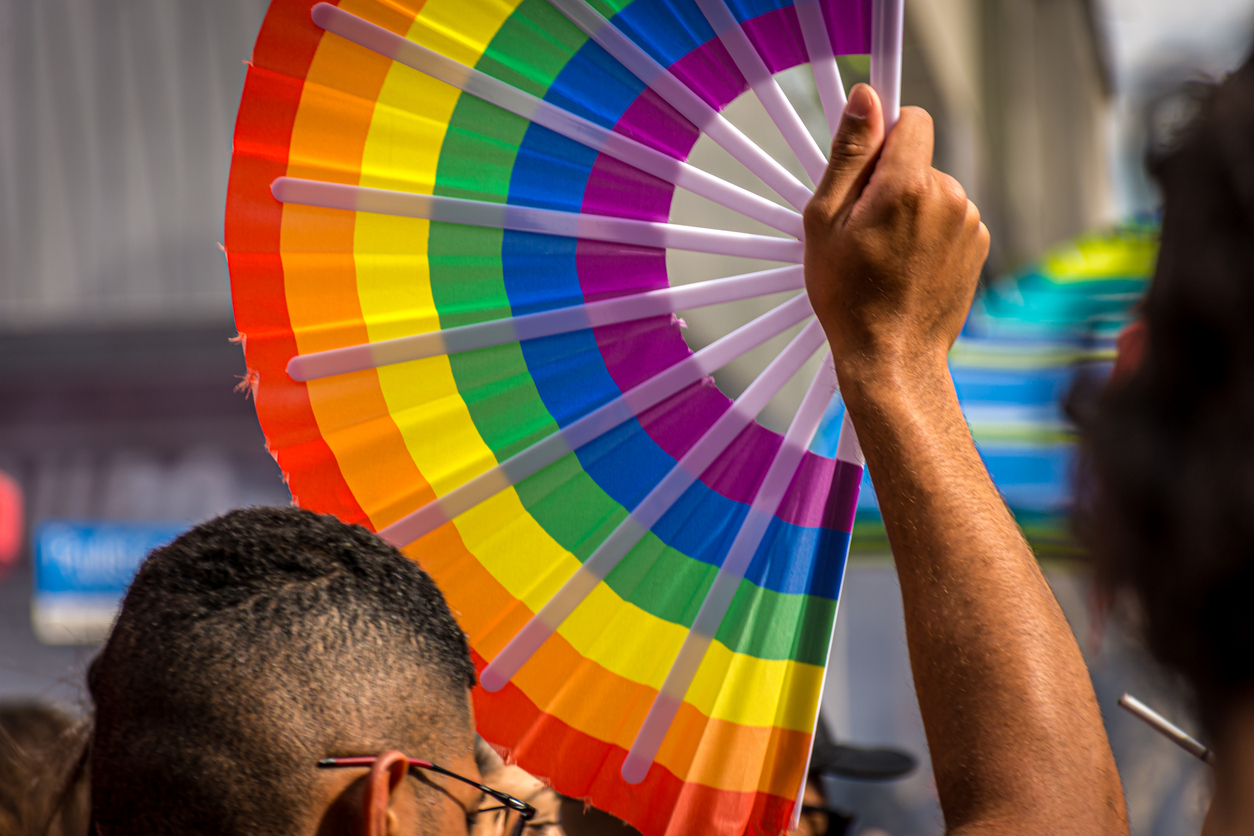
Homophobia
About These Stories
YC runs intensive nonfiction writing programs for teens in New York City, where they’re mentored by a professional editor to write personal stories about their lives and about issues that affect young people. Their stories are then published and read by thousands of teens, educators, policymakers, and other adults who work with and for young people.