
Eight million people in the world have tested positive for it. Three million have died. One in ten people in New York City are infected with it, yet most of them don’t even know it. No, it’s not AIDS…It’s tuberculosis (TB) and after a long, quiet sleep of about 100 years, it’s making a comeback.
TB is an infectious disease that usually affects the lungs. It has been discovered in Egyptian mummies, and writers from the early 1800’s described it in detail. The last major outbreak was in the early 1900’s but, due to improvements in people’s living conditions, the number of cases went down after that.
Now TB is on the rise again in the inner city due to factors such as poverty, homelessness, drug abuse, lack of primary medical care, overcrowding, and HIV infection (the virus which causes AIDS).
These social and economic problems are providing the tuberculosis germ with a perfect environment to breed in. All of these unhealthy conditions are making people more susceptible to becoming infected with TB.
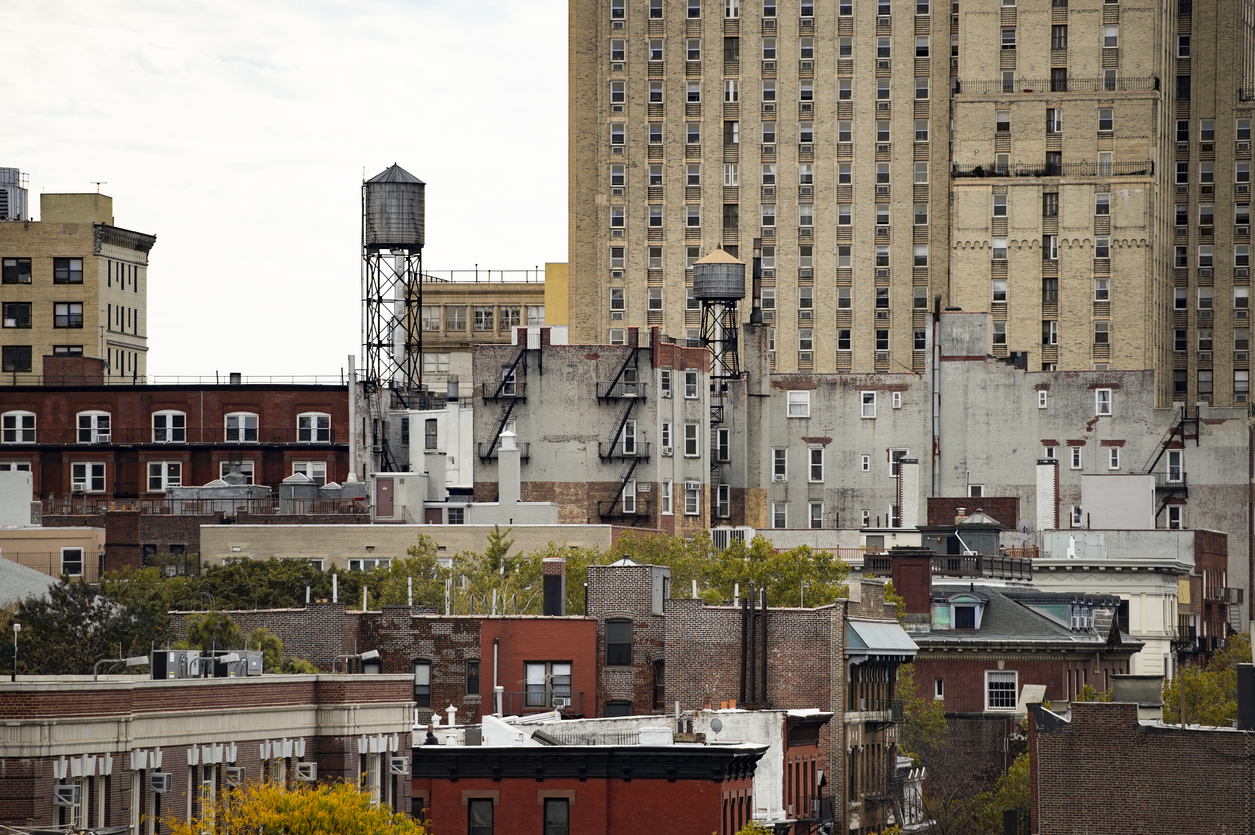
In poorer parts of the city, like Central Harlem, the incidence of TB is up to 10 times that of areas like the Upper East Side of Manhattan, a mostly White, middle-class neighborhood less than a mile away.
“The disease has been allowed to simmer in the inner city areas and was never brought under control as it was in more affluent areas of the city,” explained Dr. Charles P. Felton, associate director of medicine at Harlem Hospital.
Afflicting the Poor
Working at a public hospital on 135th St. and Malcolm X Blvd., Dr. Felton has seen firsthand how the health care system discriminates against the poor. Central Harlem has the highest number of reported cases of TB anywhere in the city, according to a 1991 report by the city’s Bureau of Tuberculosis Control.
But TB is curable. That is the bottom line. There are several different treatments. What kills people is when they don’t seek treatment or discontinue their medication before they’re cured. When that happens, the infection often comes back even stronger and becomes resistant to medicine.
“A lot of patients have a history of drug abuse or psychological problems,” explained Roberto Acevedo, who is on the front lines of TB control.
Acevedo is a DOT (Directly Observed Treatment) worker for the Bureau of TB Control. DOT workers often must double as detectives, tracking down TB victims who aren’t cooperating and are putting themselves and other people at risk. Many of them are homeless. “We go into homes, stores, bars,” said Acevedo. “[We] inquire where they hang out…It involves a lot of footwork.”
Detective Work
Once they find the person, DOT workers have to make sure they seek treatment or actually stand over them while they take their medicine. “We try to sweeten the pot with incentives,” said Andy Heetderks, director of DOT. “Incentives come in two flavors: negative and positive.” Positive incentives include food coupons, subway tokens, and room and board in a shelter for TB-infected men.
When that doesn’t work, patients are quarantined (locked up where they can’t infect anyone until they are cured) in a jail at Bellevue Hospital.
One way or another, “We need to ensure that every person infected with TB completes a full course of anti-TB treatment,” said Dr. Thomas Frieden, director of the Health Department’s Bureau of Tuberculosis Control.
For those of us who are lucky enough to receive good primary medical care, this goal doesn’t seem too unrealistic. But ask Roberto Acevedo about the difficulty of trying to track down hundreds of homeless men and women all over the city who have TB and watch them take their medicine. Or ask Acevedo about the mentally ill TB patients throughout the city. Or the drug abusers with the hacking coughs, many of whom don’t even know they have TB, which makes them even more dangerous to the general public. To him, reaching that goal probably seems a long way off.
SIDEBAR: Watch Out for TB
Symptoms of active TB (the only kind which is contagious) include constant coughing, fever, night sweats, weight loss, and coughing up blood. You cannot catch the disease through casual contact with someone for short periods of time like on an elevator or in a bathroom. Becoming infected requires “prolonged contact with a person with infectious TB-day after day, week after week,” says Dr. Thomas Frieden, director of the Bureau of Tuberculosis Control. Teenagers don’t seem to be at particularly high risk of contracting TB. Out of 3,673 reported cases in New York City last year, fewer than 100 were between the ages of 15 and 19. Still, we need to educate ourselves about this epidemic and be more aware. If you have any of the above symptoms or have been living with someone who does, you should get a TB skin test-just in case. It’s free at any Department of Health clinic and not at all painful. You may also be infected with TB but feel fine. In that case you’re not a danger to anyone but it’s important that you get treated right away or you could develop the infectious form of TB at any time. For more information call the Tuberculosis Hotline at 212-788-4162.