
Growing up without a mom or dad really hurt. My mother died when I was nine, and my father showed up only once in a while.
I didn’t know my mother was going to die. I knew she was sick but I never thought it would come to death. In July of 1981 she passed away. I was there when she died. I cried and cried. All I knew is that I would never see her again.
Who would I turn to for comfort? There is no one like your mother. No one could take her place. Someone could come close to her, but it couldn’t be the same.
When I came home from school my mother was always there. She would make me do my homework and then prepare dinner. I missed her smile, her cooking, and her warmth.
She had a way about her that could make anyone love her. Everyone did love her. There was always something good said about her, and nothing negative.
Thinking About Her
After she died I didn’t talk much for a few days. Then the whole family got together for dinner and my cousins were there. We went out to the park and played. I was able to take my mind off my mother for a while. But then when I went to sleep I started to think about her again.
I had to move from Florida to New York to live with my aunt. My aunt was stricter than my mom and I wasn’t used to it.
At first I couldn’t go out much. In Florida I was used to going out a lot. This made me mad at my aunt because I used to have more freedom-I could go out without supervision. But now I am thankful. Without that supervision and discipline I would probably have turned out for the worse.
My aunt didn’t try to take my mom’s place. She did her best to take care of my brothers and sister and me.
I think my mom would be happy to see me now. It would make her proud and her pride would make me continue to do well. I would want her to know that I will be somebody.
I also want to make my aunt proud that I have a goal in life. She does a great job, and I hope to continue to succeed in life.
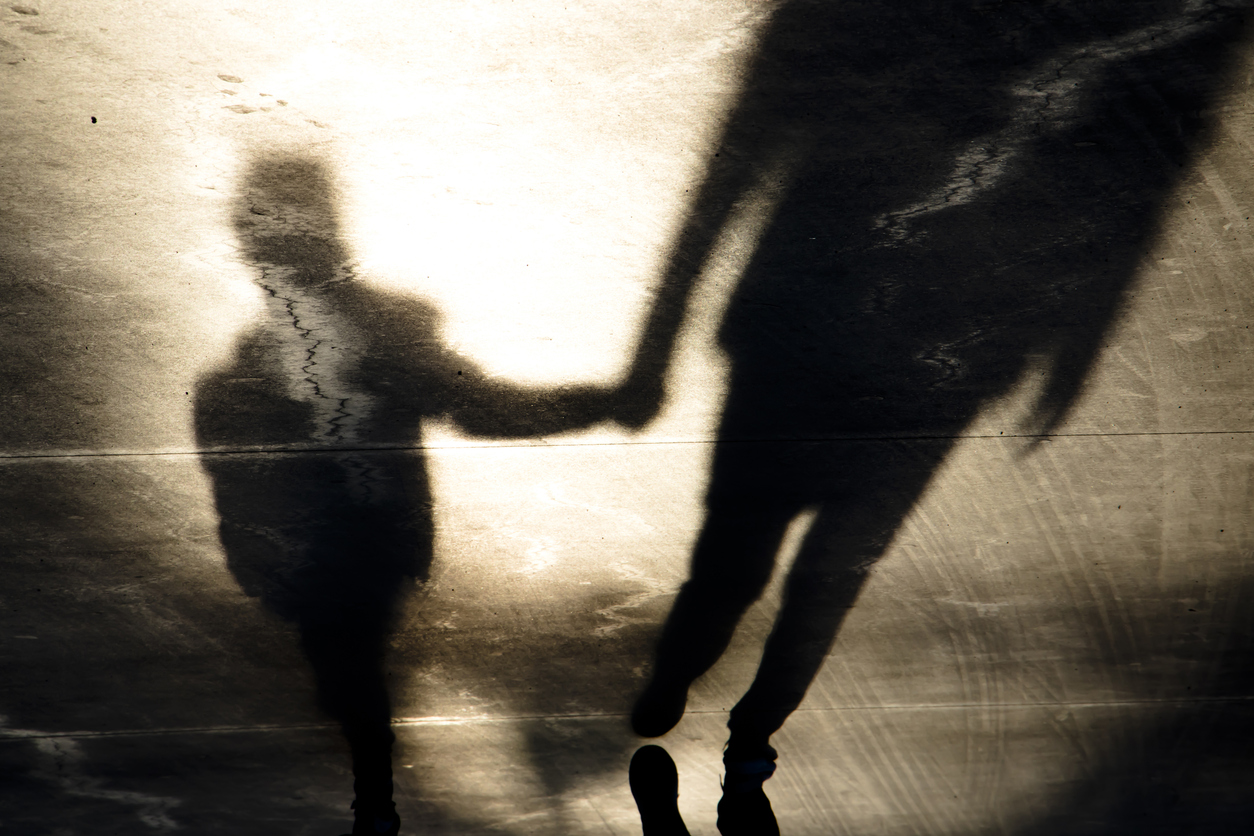
Growing Up Without Parents
About These Stories
YC runs intensive nonfiction writing programs for teens in New York City, where they’re mentored by a professional editor to write personal stories about their lives and about issues that affect young people. Their stories are then published and read by thousands of teens, educators, policymakers, and other adults who work with and for young people.