
Abortion is a crime against humanity. The fact that women want to kill their babies sends chills down my spine. But it is the law that women can have abortions.
Some women decide to kill their babies without consulting the father. They think that it should be their decision alone. I think it is crude and unfair that a father is denied his right to decide on the life of his child.
This debate is not about a man ruling over a woman-it is about the life of a human being. I think that women tend to use the excuse of not wanting a man to control their bodies in a way that doesn’t apply.
Fathers should have the right to decide what the fate of their children will be. Although women have to carry the baby for nine months, the baby is still half the father’s and this should be held in account.
Both Should Agree on Abortion
I think there should be a law stating that both partners must agree for an abortion to take place. If both partners sign an agreement stating that they both don’t want the child, then the child should be aborted. But if a father does not consent to the abortion and wants to raise his child, why should he be deprived of that right?
Sure, some men don’t care what happens after a women is pregnant, but not all men are the same. Men can be just as caring as women can be.
Killing babies because the woman doesn’t want to carry it is inhumane. It is not the baby’s fault that both male and female didn’t wear any protection.
Maybe that baby the mother is killing could have been the President who made the world peaceful, or the doctor who developed the cure for AIDS or cancer.
If the mother doesn’t want the baby and the father does, then why should that baby be killed-give it to the father to raise.
But killing the baby because only one parent doesn’t want it is sickening.
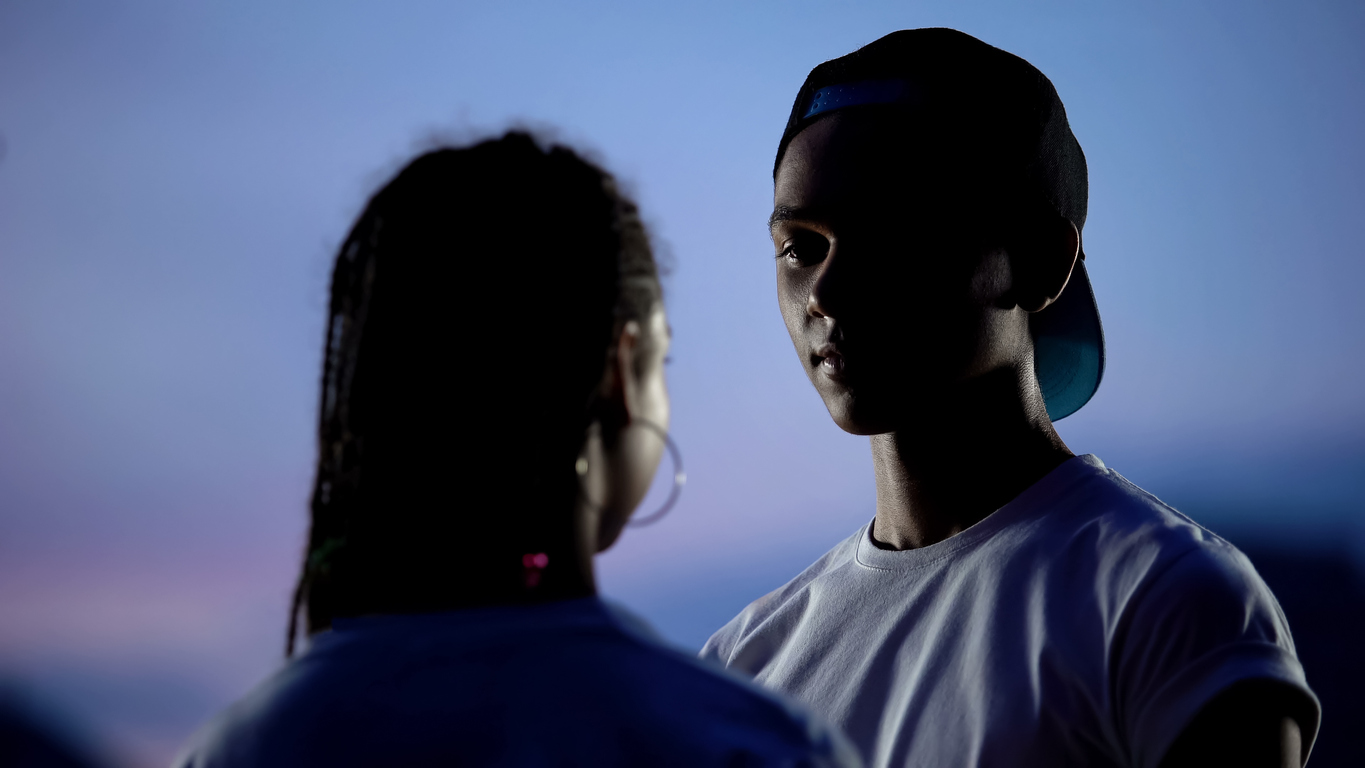
Give Both Parties a Say
About These Stories
YC runs intensive nonfiction writing programs for teens in New York City, where they’re mentored by a professional editor to write personal stories about their lives and about issues that affect young people. Their stories are then published and read by thousands of teens, educators, policymakers, and other adults who work with and for young people.