
Visiting a cultural museum can reveal an important part of a person’s heritage. My grandmother is part Cherokee, an American Indian tribe. Learning something valuable about my cultural history made my visit worth the time.
I learned that American Indians are very creative people. For example, they made their own clothes, weapons, shoes, plates, homes, and jewelry. I also saw displays of suede and fur coats made in Alaska, straw hats, and religious and ritual ornaments.
If you like working with your hands, you’ll love the displays of leather crafts, beadwork, weaving, and pottery.
I especially enjoyed the exhibit “Indians As Children See Them,” which was featured from Feb. 11 to May 8. It contained vivid interpretations of Native American culture.
One drawing, entitled “don’t Shoot My People,” was a sixth-grader’s attempt to show the racism and fear that existed between Whites and Indians.
“Pottery in the Making” was drawn by a fourth-grader. It shows how making pottery is not only practical and profitable, but fun, too.
“Fashion Designs Motivated by Native America” was a drawing by a senior student at Susan E. Wagner HS. The artist’s design shows two models wearing brown skirts and fringed blouses. They also wear colorful cloaks draped over their shoulders.
My last stop was at the gift shop on the first floor. I was looking for more than just a souvenir-I wanted something to give me an insight into my own American Indian background.
“The Cherokees,” by Grace Steele Woodward, caught my eye. I walked out of the museum with this book in my hands and a smile on my face!
I wouldn’t hesitate to go back to the Museum of the American Indian (Broadway at 155th Ave.), because I know there is much there for me. But you don’t have to be part American Indian to enjoy the beauty of this museum’s art.
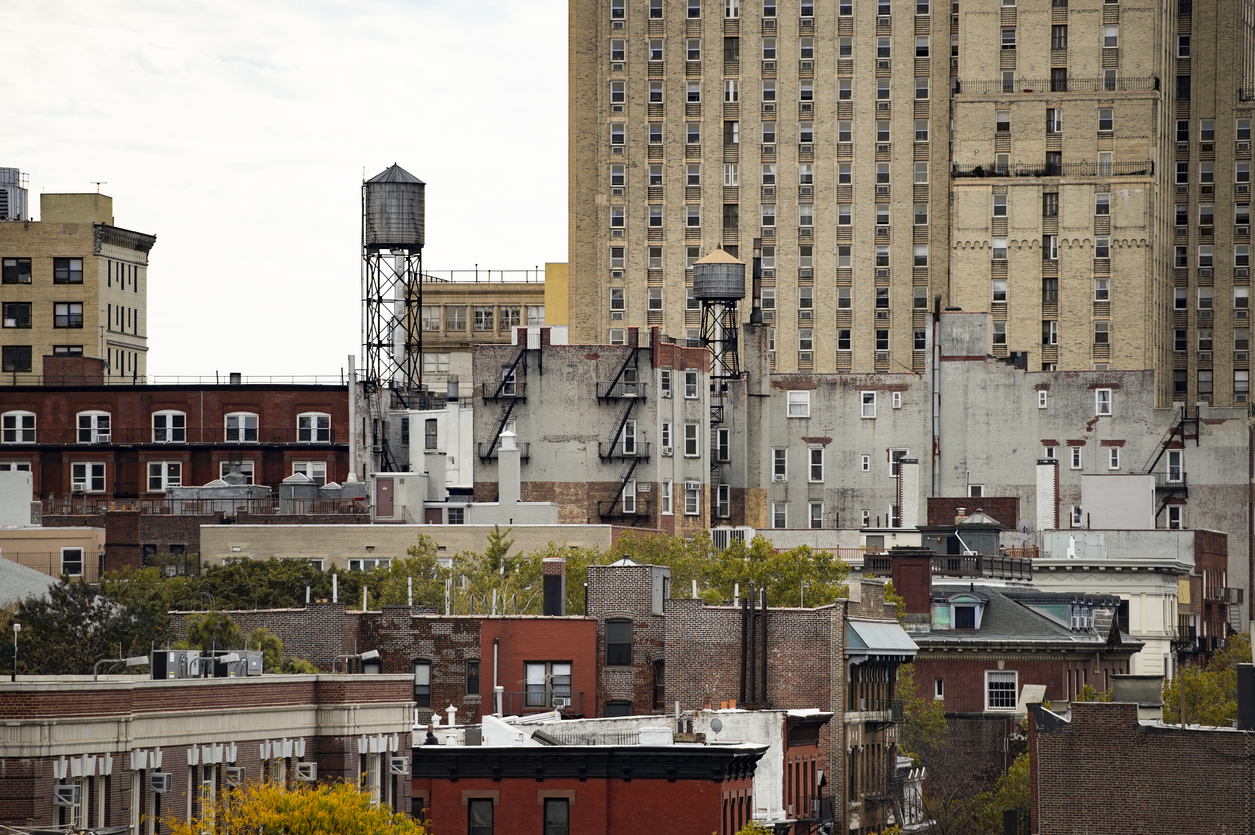
The Museum of the American Indian
About These Stories
YC runs intensive nonfiction writing programs for teens in New York City, where they’re mentored by a professional editor to write personal stories about their lives and about issues that affect young people. Their stories are then published and read by thousands of teens, educators, policymakers, and other adults who work with and for young people.