
Jonathan Taylor, 18, a student at Middle College HS in Queens, said, “Let them come down here a few more times without the cops. They’ll stop.”
“They make no sense. Why should we be fighting another school?” said James Kelly, also a student at Middle College HS.
Another student, Tom Boyle, 14, said, “I think they’re ridiculous and uncalled for. I think both parties are at fault.”
Jodi Donlin, 17, was blunt and to the point: “As long as we’re kicking a-, it’s no problem.”
What are they talking about? School violence-something almost all students must deal with at one time or another. And for students at Middle College, fights with students from nearby Aviation occur too often.
When high schools are in close proximity (the two schools are five blocks apart) serious turf rivalries can develop, posing problems for students and security.
‘I’m Really Afraid’
Ed Sisco, coordinator of security for Middle College and International high schools at Laguardia Community College, was asked if he was ever worried about getting hurt breaking up these fights between students.
He said, “Always. Every morning I consider my job as a cop in a school these days, I’m really afraid.”
Is it especially difficult for security people to break up fights between students from different schools?
Sisco said, “It’s difficult because you don’t know the other person who’s fighting, and my authority is not respected [by students from a different school].”
I will always remember the first fight I saw with Aviation. There were a few kids across the street walking around slapping their hands together, and mumbling something I couldn’t really make out. Then all of a sudden, about 50-75 kids rushed the Aviation kids across the street.
The boys ran away, but one of them got caught at a gas station on Thomson Ave. He ran inside the gas station and he got trapped by about 10 or 15 kids from Middle College. The kids started hitting the boy with just about everything they could pick up. He was beat down so bad that he had to go to the hospital to get stitches.
Sisco said, “The method of fighting has changed since I was in school. There’s no simple solution.”
Many Causes for Fights
Who’s involved and what causes the fights? Students and staff at Middle College gave a variety of opinions.
Security guard Fabian Mcraven gave these reasons for student rivalry: “Girlfriends, kids trying to impress other kids, and jewelry.”
Security guard James Bay said, “Students think one school is better than another.”
Nyree Kearns, 15, said “jealousy and immaturity” are the causes for the fights.
Julieta Falcon, 18, cited turf rivalry as the cause: “I think they happen because when students go to a restaurant or on the 7 train, students of both schools interact. And maybe they feel we shouldn’t be down there.”
Teacher Harry Schultz added, “There are a few bad kids on both sides.”
Sisco said: “A lot [of the fights] are over boyfriends or girlfriends, or who insulted who.”
No Easy Solution
How can these fights be prevented?
Doug Berman, assistant principal at Middle College, said, “I’m not so sure you can prevent an individual fight.” He said the security guards are doing their jobs well inside the school, but outside they can only do so much.
Sisco told me that a dialogue has been set up with the security offices of both schools in order to stop possible fights.
Berman agreed on the need for communication, saying that it was important to “create an occasion for schools to get together and to keep individual fights individual.”
Students also agreed that a meeting or a joint activity between the two schools might help.
Teacher Myra Sonnenfeld said, “The first thing to do is find out what’s causing [the fights]. And then maybe a meeting between both schools to see if they can resolve these problems.”
Teresa Tarrconi, 17, summed up most students’ feelings: “I don’t think there’s anything that important worth fighting over.”
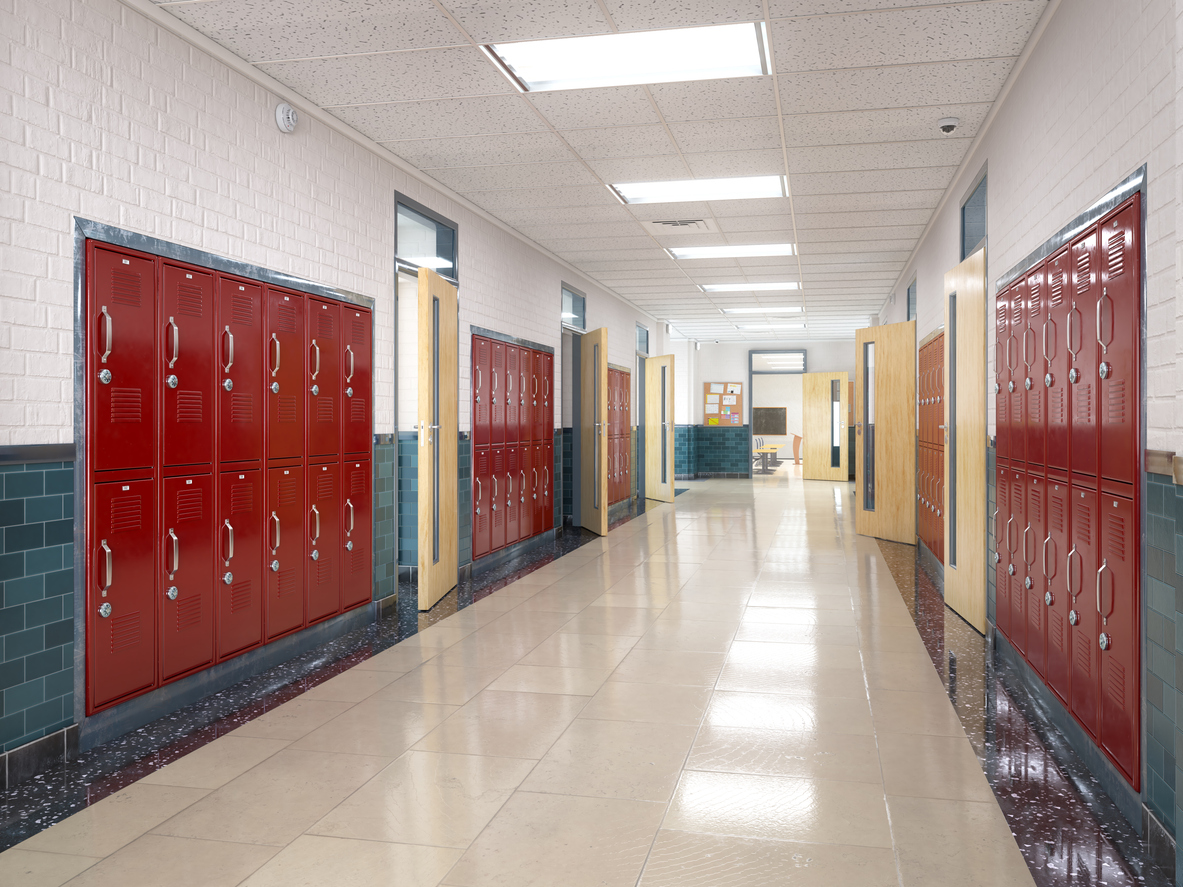
When High Schools Are Rivals, Fights Often Result
About These Stories
YC runs intensive nonfiction writing programs for teens in New York City, where they’re mentored by a professional editor to write personal stories about their lives and about issues that affect young people. Their stories are then published and read by thousands of teens, educators, policymakers, and other adults who work with and for young people.