
It’s a beautiful sunny day. I decide to head up to the park and see what the gang is doing.
In front of my house I step into a big mushy wad of…garbage! Yuck! Suddenly it’s all around me-slimy banana peels, dirty disposable diapers, empty Big Mac containers. The pile gets higher and higher and I get lower and lower until I’m drowning in a smelly, nasty, sea of garbage.
It’s just a dream-or is it?
Let’s get serious here. The solid waste problem isn’t a joke anymore. According to the New York City Department of Sanitation, we’ve thrown out enough copper to stretch from here to the sun, enough steel to rebuild Manhattan, and enough glass to provide every man, women, and child in the country with 1,500 drinking glasses apiece. That’s a lot of garbage.
No Place To Put It
Unfortunately, society promotes garbage. Think about it-you use something, throw it out, it gets collected, and it’s all over.
But it isn’t over. In fact, everything you throw out stays with us-sometimes forever.
The Fresh Kills garbage dump on Staten Island, the last landfill in New York City and the largest dumpsite in the world, is almost filled to capacity. It will be filled completely in only ten short years. Then what?
According to Steven Romalewski, staff researcher at the New York Public Interest Research Group: “All the garbage we dumped is going to come back to haunt us.”
Landfilling is definitely out, not only because there is a lack of space, but because burying the problem doesn’t end the problem.
Incineration (burning garbage) is another alternative, but a very controversial one. New York City plans to build an incinerator in the Brooklyn Navy Yard.
“Incineration creates toxic emissions and the garbage doesn’t disappear,” said Romalewski. “The ash needs to be dumped… also, incinerators are very expensive to build.”
So incineration is dangerous, right?
According to Anthony Lumia of the office of public education at the Sanitation Department, air pollution is possible if garbage is burned at low temperatures, but the city plans to burn the garbage at 1800 degrees Fahrenheit. “And when you burn something that hot, it usually burns clean,” Lumia said.
As for the ashes, Lumia said the environmental effects of the ashes are not known, but special liners would be used in the landfills to protect against groundwater pollution.
Cutting Down on Packaging
Another alternative is source reduction, or reducing the amount of products or packaging we buy.
Lumia gave a good example of how much wasteful packaging we use. You go to a fast food restaurant to get a burger and a shake. Besides almost spending $5, you waste a lot of paper-the burger comes in a styrofoam container and in a paper bag, which you throw away along with the shake container, the straw, the wrapper, the napkins, and the salt and ketchup packets they gave you.
Lumia’s advice is to “write to the Board of Education, write to the local politicians, write to the manufacturers, and tell them you won’t buy their materials.”
Then of course there is recycling. Get used to this word because you’ll definitely hear more of it in the future. By 1992 all New York City residents will have to separate their newspapers, magazines, cardboard, glass, metal cans, and plastic bottles before they are collected for recycling. Those who don’t separate their garbage will be fined.
Recycling Goal Of 25%
About 40% of New York City’s garbage is recyclable but as of now only 8 to 10% is being recycled. The goal is to have 25% of our garbage recycled by 1992 and though it costs money to recycle, it’s the cheapest alternative.
A lot of things are made from recycled materials, like newsprint (even though most of New York City’s newspapers are not printed on recycled paper) and cardboard.
Also, plastic and glass can be melted down and remade into other glass and plastic products.
A market for recyclable materials must be developed, according to environmentalists.
Tim Forker, director of outreach and organizing at the Environmental Action Coalition, said, “Industry currently uses a lot of raw materials like wood, but more and more waste is coming from the raw materials after they have been used. You have to make it economically attractive to reuse these secondary materials.”
Romalewski thinks it’s important to teens to make their voices heard.” You definitely have to care. Garbage doesn’t just disappear. It affects you directly when you can’t go to the beach because of all the trash that washes up.”
“Teens may not have created this problem, but they’re inheriting it,” said Forker. “They can help not only themselves but future generations, too, by caring and becoming involved.”
“I don’t take it for granted that since we’re in a prosperous, industrial nation, we can just sit back and relax.” said Linda Narvaez, 15, from Townsend Harris HS. “Sooner or later we will become prisoners of our world if we don’t solve the problem.”
So ends the lesson.
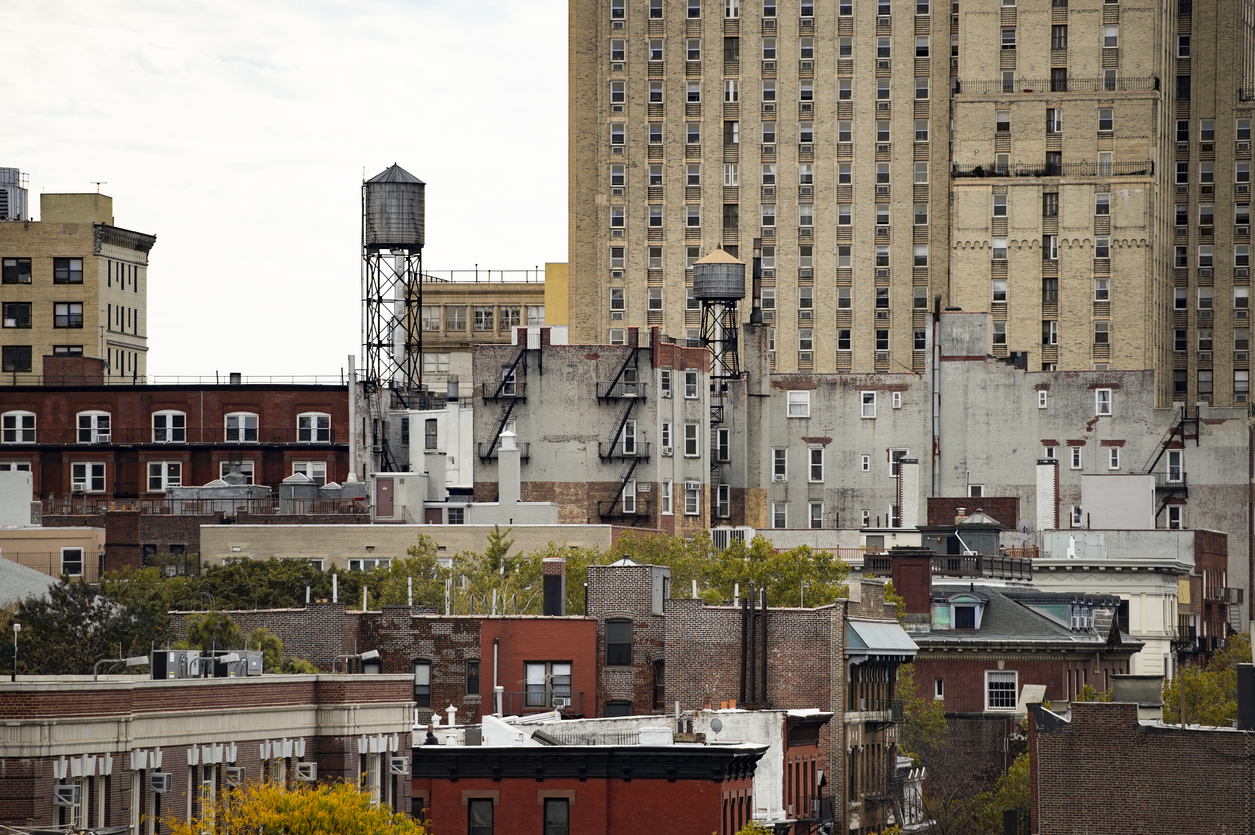
We’re Being Buried by Solid Waste
About These Stories
YC runs intensive nonfiction writing programs for teens in New York City, where they’re mentored by a professional editor to write personal stories about their lives and about issues that affect young people. Their stories are then published and read by thousands of teens, educators, policymakers, and other adults who work with and for young people.