
Ancient Times
Jewish and Palestinian claims on the land go back to biblical times. Some say Palestinians descend from the people who were already living there when the Israelites (Jews) conquered and settled in about 1250 BC; Jews established their own kingdom. The Romans later conquered the entire area, calling it Palestine. Jews revolted and the Romans exiled them from Jerusalem in 70 AD. (See “Long History of Jewish Persecution,” p. 18, for a description of how Jews were mistreated across Europe during much of the past 2000 years.)
World War I
The area is part of the Turkish Ottoman Empire from 1517-1917. During World War I, British forces help Arabs defeat the Ottomans.
The British promise Arab leaders independence, but take control of Palestine themselves.
In 1917, British foreign minister Lord Balfour declares his support for a Jewish state in Palestine.
World War II
During the 1920s and 1930s, thousands of Jews, mostly from Europe, move to Palestine. This movement is called Zionism. Sometimes there are violent clashes between Jews and Arabs (Palestinians)-and the British Army.
Jews had been mistreated in Europe for centuries. Then, during WWII (1939-45) the Nazis kill 6 million Jews in what’s known as the Holocaust.
1947 U.N. Plan
The Holocaust increased pressure on governments to create a safe haven for Jews.
After World War II, the newly formed United Nations votes to divide Palestine into two nations: one Jewish, one Arab. Jerusalem would be a separate international city. Jews agree to the plan but the Arabs reject it.
1948 Israel Founded
On May 14, Israel declares statehood. Egypt, Jordan, Lebanon, Syria and Iraq invade the next day. Israel fights back and wins, taking some land set aside for Arabs.
Arab nations take the other areas; Egypt annexes the Gaza Strip and Jordan takes the West Bank and East Jerusalem. Hundreds of thousands of Palestinians flee from the Israeli-controlled areas.
1964 PLO Founded
Arab nations create the Palestine Liberation Organization (PLO), with the goal of destroying Israel and replacing it with a Palestinian state. Yasir Arafat becomes chairman of the PLO in 1969.
1967 Six Day War
Arab armies prepare to launch an attack on Israel but Israel strikes first, winning in six days.
Israel seizes the Gaza Strip and Sinai from Egypt. It also seizes the West Bank and East Jerusalem from Jordan and the Golan Heights from Syria. More Palestinians flee from Israeli-controlled areas.
1973 Yom Kippur War
Aiming to win back the territories they lost in the 1967 war, Egypt and Syria launch a surprise attack on the Jewish Day of Atonement (Yom Kippur). Israel fights back and wins.
1979 Peace Treaty
Israel gives the Sinai back to Egypt and the two countries agree to peace.
Egyptian president Anwar Sadat is assassinated in 1981 by Islamic opponents of peace with Israel.
1982 Israel Invades Lebanon
Israeli troops, under defense minister Ariel Sharon, invade Lebanon to wipe out bases that the PLO has been using to launch attacks on Israel.
Hundreds of Palestinian refugees are killed by Israeli allies in Lebanon.
Sharon (the current Israeli Prime Minister), is blamed by many for allowing the killings to occur.
1987 First Intifada
Palestinians strike to protest Israeli occupation of the West Bank and Gaza Strip.
They refuse to open their stores or do much of the manual labor they have been doing in Israel.
They also start throwing stones at Israeli soldiers. This mass uprising is called “intifada.”
1993 Oslo Accords
For the first time, Palestinian leader Arafat and Israeli Prime Minister Yitzhak Rabin acknowledge the right of each state to exist. The treaty sets up the Palestinian Authority, with limited rule over Palestinians in the West Bank and Gaza Strip. Israel promises to end Jewish settlements in Palestinian territories.
Rabin is assassinated in 1995 by an Israeli opponent of peace with the Palestinians.
2000 Second Intifada
In July 2000, Arafat and Israeli Prime Minister Ehud Barak meet with President Bill Clinton to negotiate a peace settlement, but the talks fail.
In September 2000, Ariel Sharon, who opposes compromise with the Palestinians, visits a Jerusalem site holy to both Muslims and Jews, the Al Aqsa mosque on the Temple Mount. Insulted, Palestinians protest, leading to another Palestinian intifada and increased Israeli pressure on Palestinians. In the following months, more than two dozen Palestinian suicide bombers blow themselves up on Israeli buses and in malls, restaurants and other public places.
Israel strikes back heavily in 2002, invading West Bank cities, destroying homes, offices and electrical power and surrounding Arafat for months in his Ramallah headquarters.
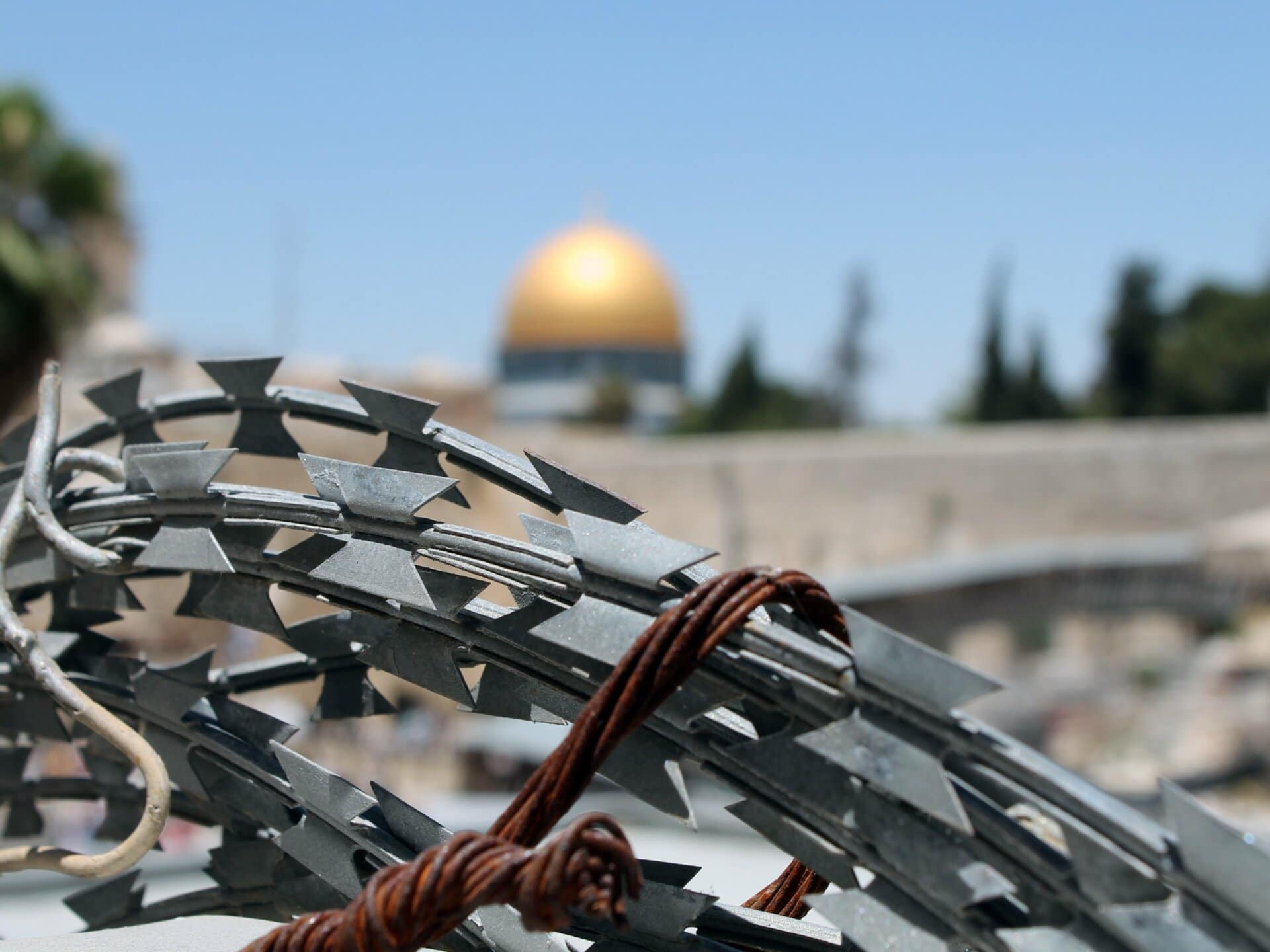
Timeline of the Israeli-Palestinian Conflict
About These Stories
YC runs intensive nonfiction writing programs for teens in New York City, where they’re mentored by a professional editor to write personal stories about their lives and about issues that affect young people. Their stories are then published and read by thousands of teens, educators, policymakers, and other adults who work with and for young people.